``

Symmetry and Chaos

  • Vladimir Bulatov
  • bulatov.org
  • G4G16
  • San Francisco
  • February 19, 2026

Experimental fact

When you have a hammer, everything looks like a nail

The Hammer - Symmetry

In geometry, symmetry is defined as a property of a shape or object that remains invariant (unchanged) under certain transformations.

If you can flip, spin, or slide a shape and it looks exactly as it did before, it is symmetrical.
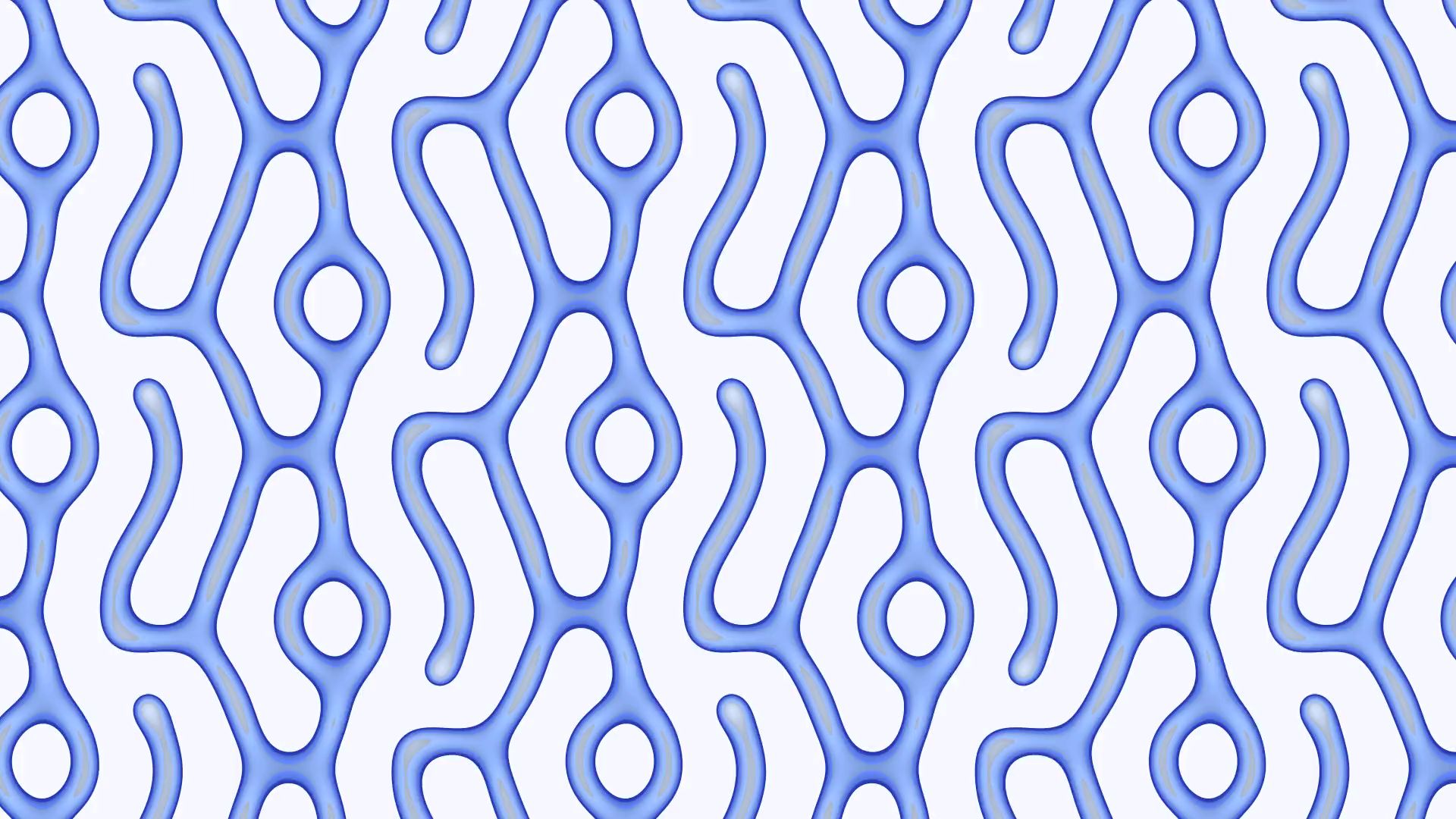
The old victim: SymSim - Symmetry in Gray-Scott Reaction Diffusion

The old victim: SymSim - Symmetry in Ginzburg-Landau equation

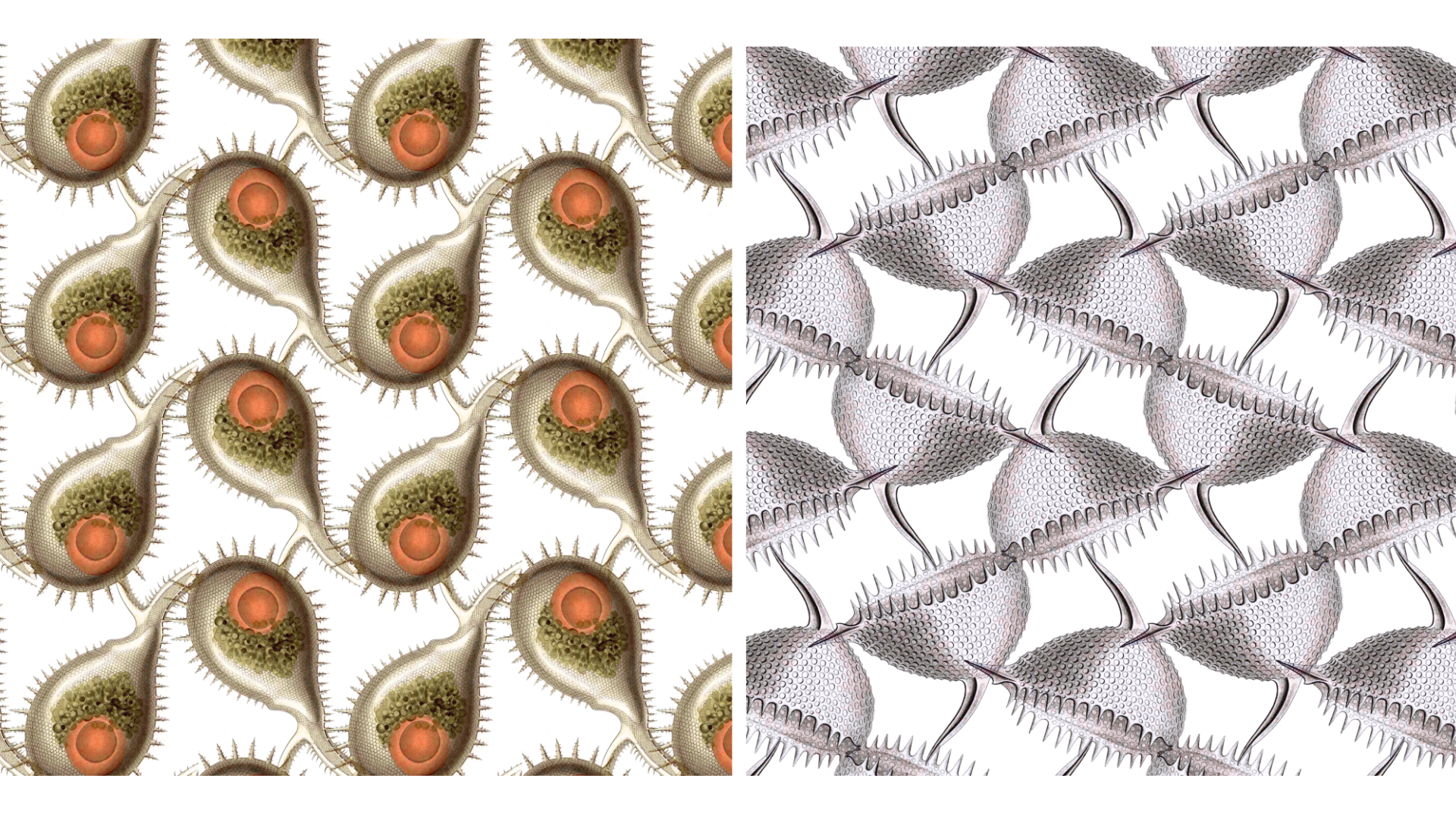
The old victim: SymPix - Ernst Haeckel Patterns

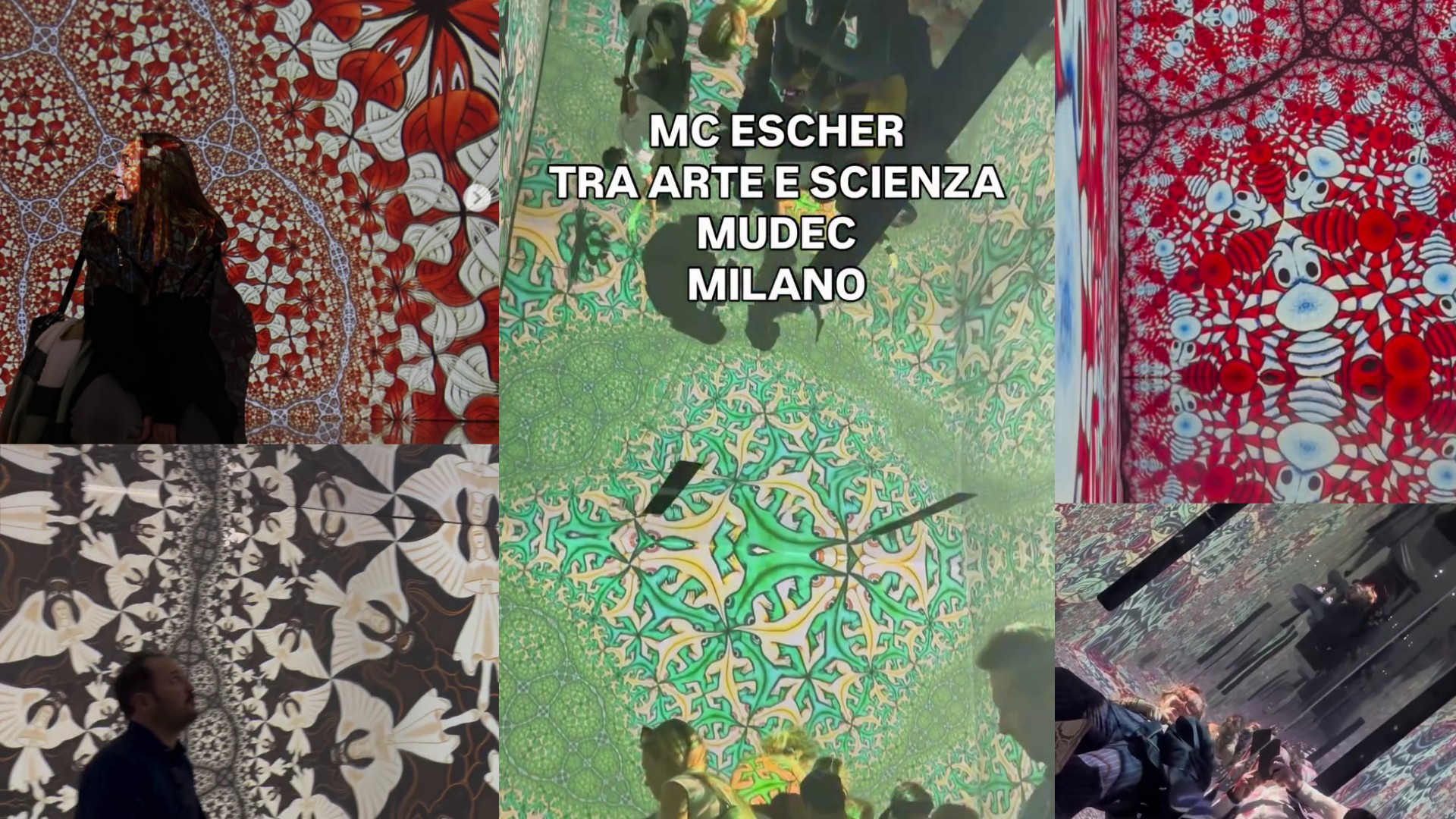
The old victim: M.C.Escher exhibition at Mudec, Milano

The Latest Victims - Chaotic Attractors of Iterated Functions

What are Iterations?

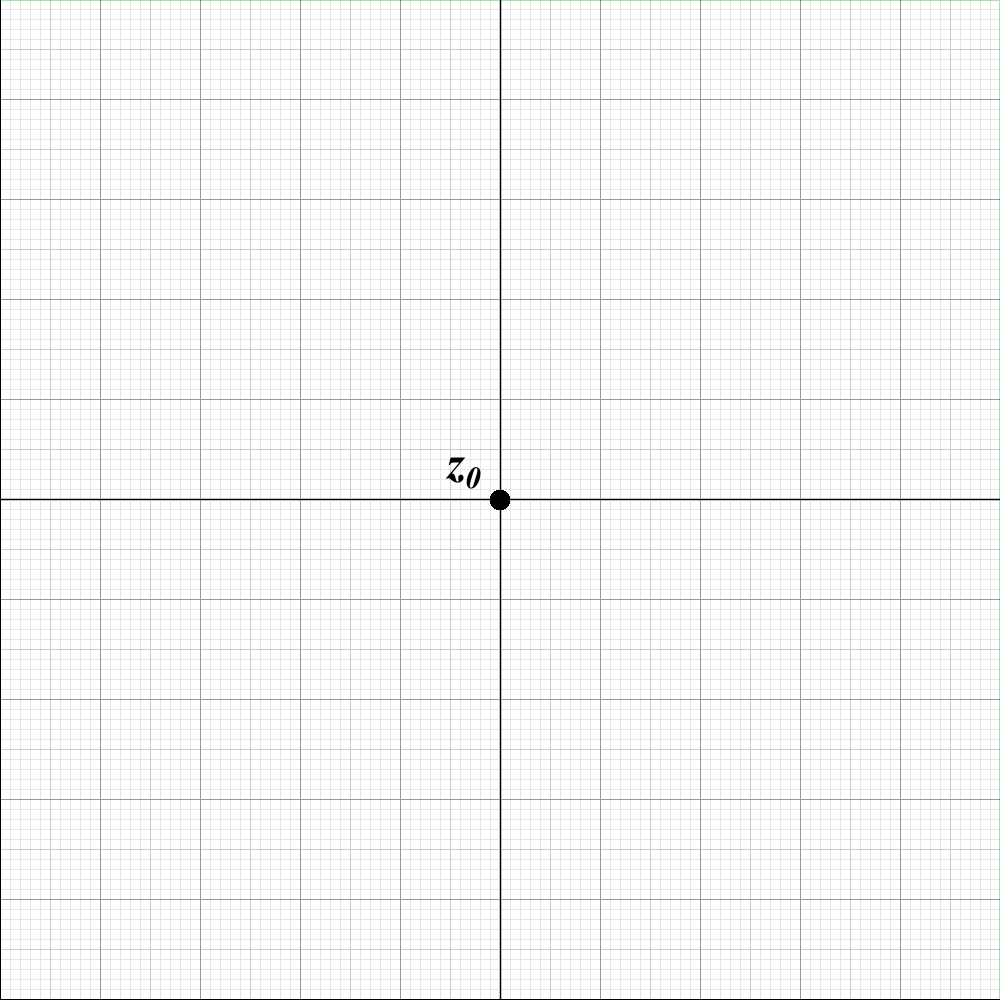
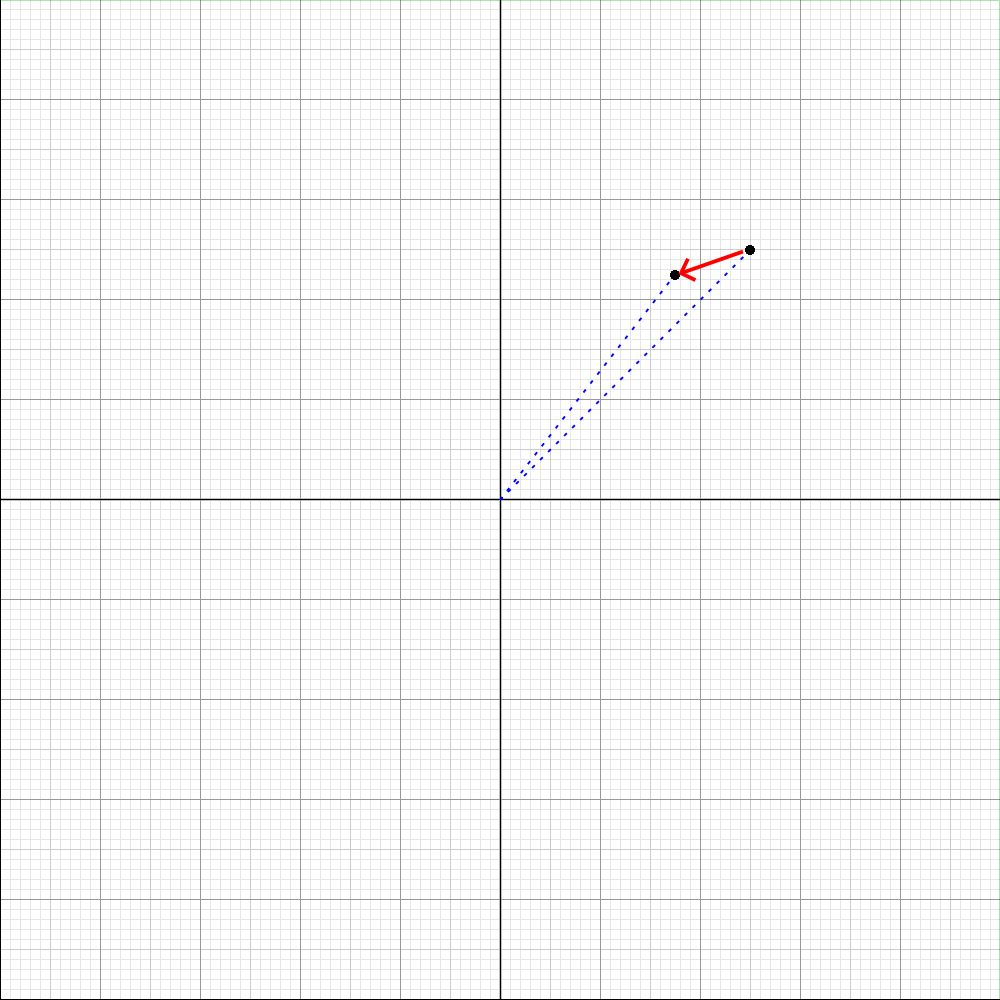
Select an arbitrary initial point `z_0`.

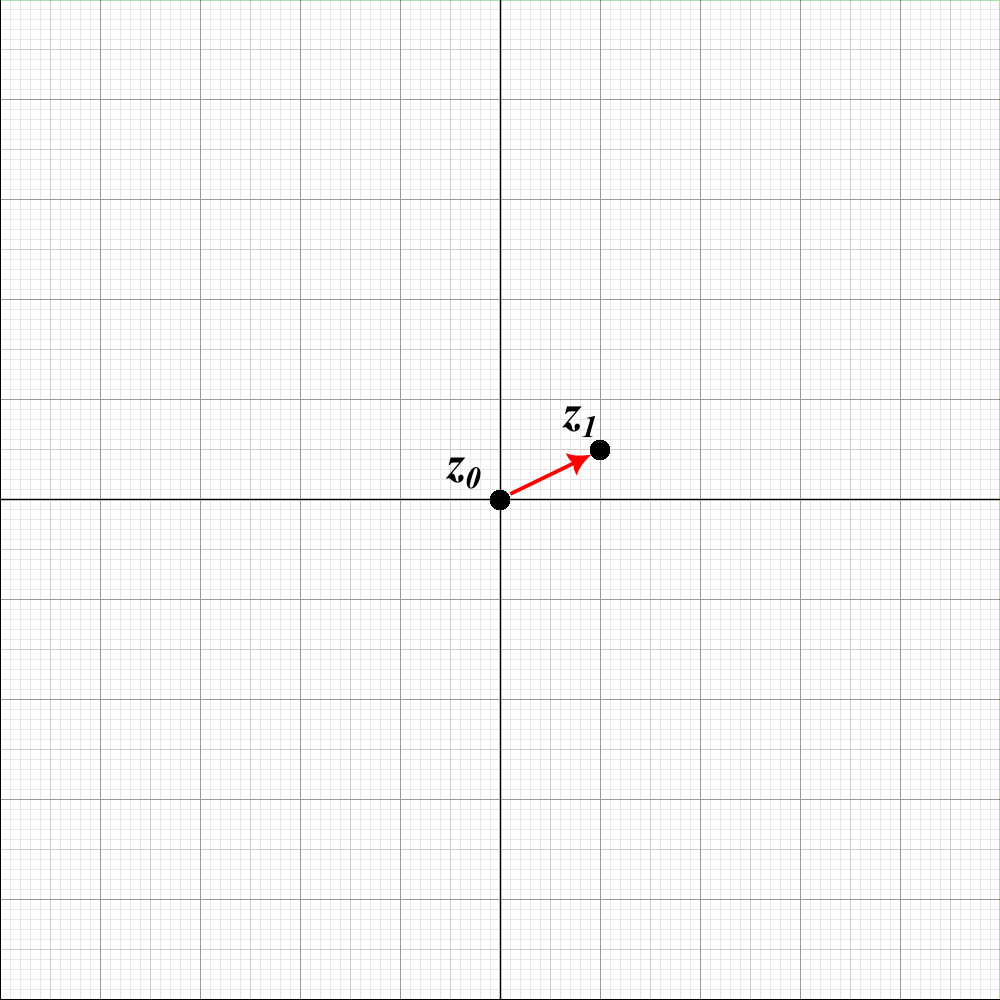
Translation: 1 iterations

Select an arbitrary initial point `z_0`
Select a function `F(z) = z + p`
Apply the function (iteration):

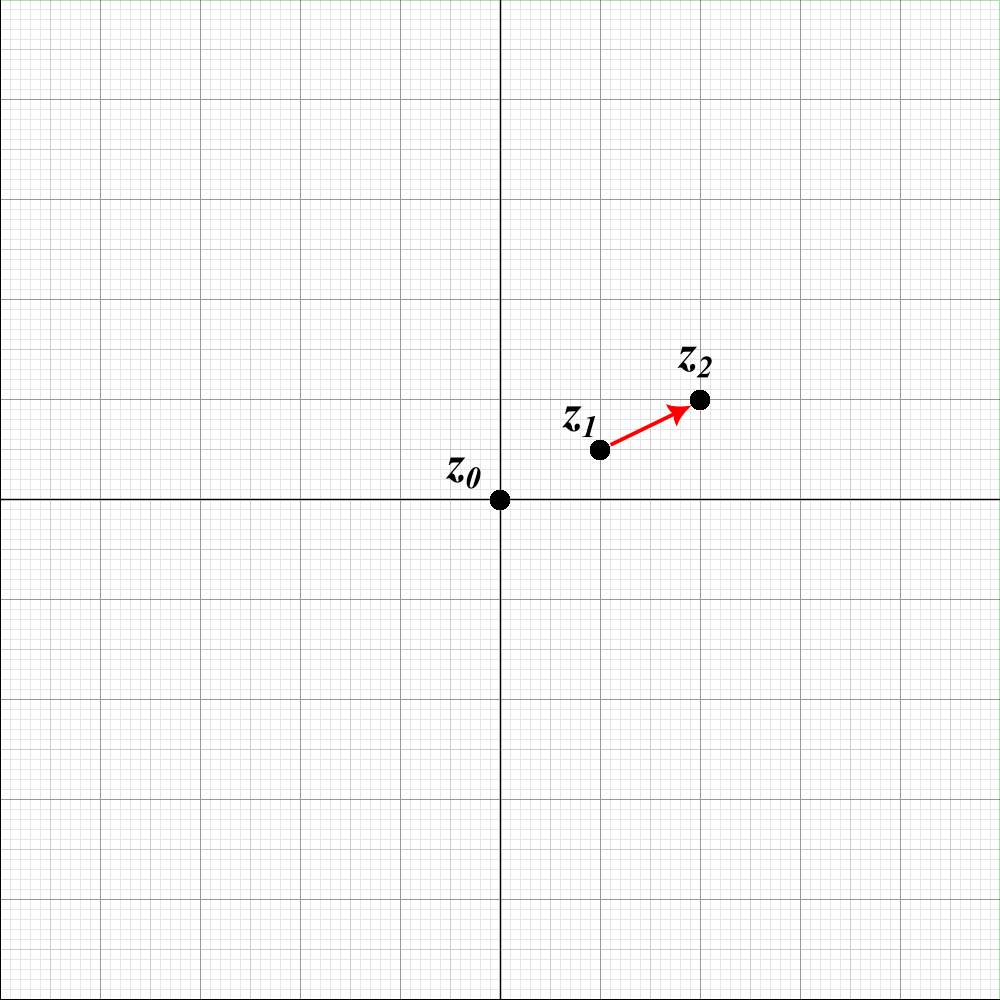
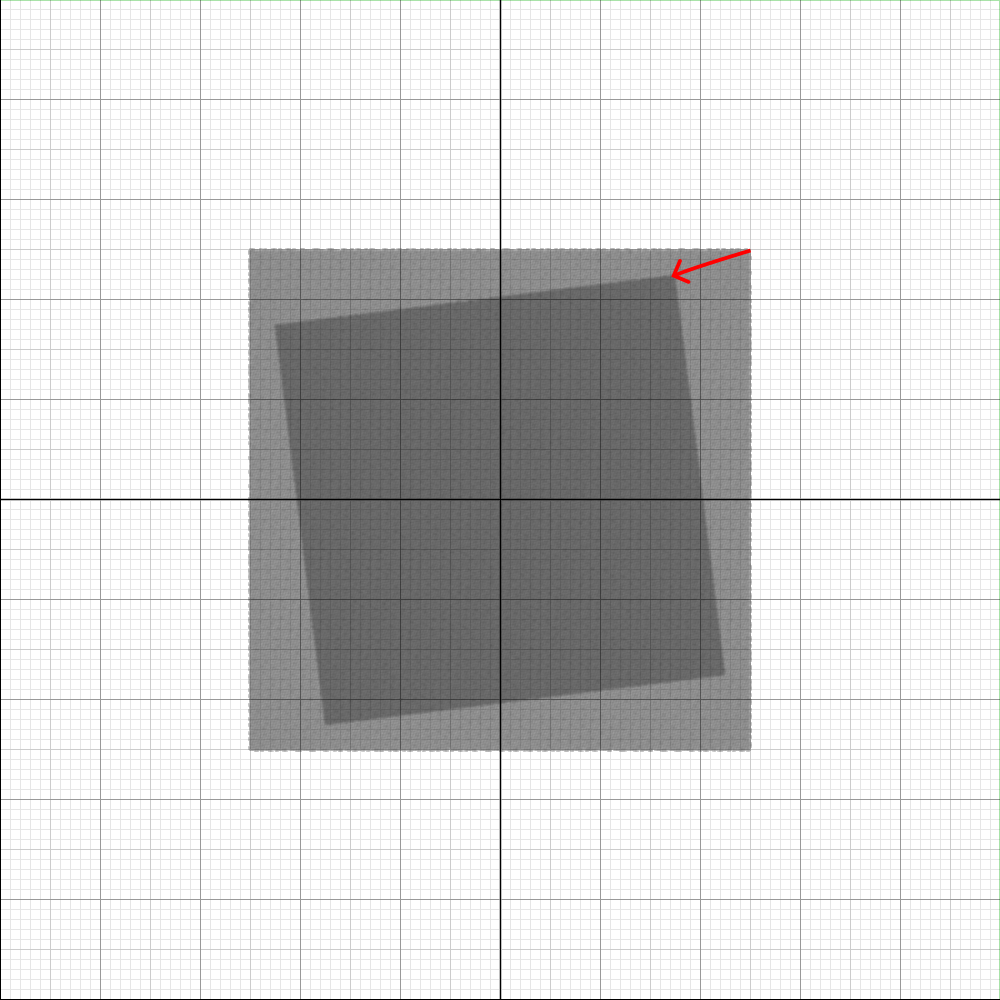
Translation: 2 iterations

Select an arbitrary initial point `z_0`.
Select a function `F(z) = z + p`
Apply the function (iteration):

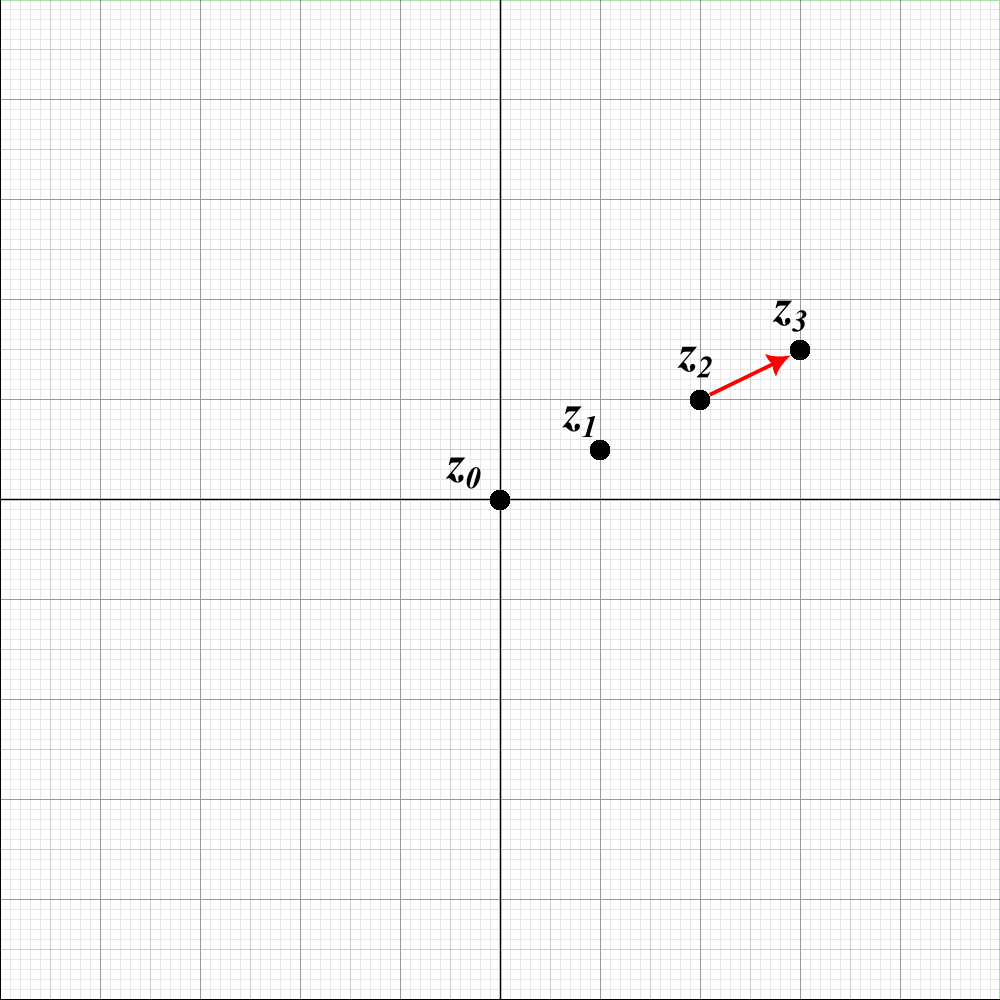
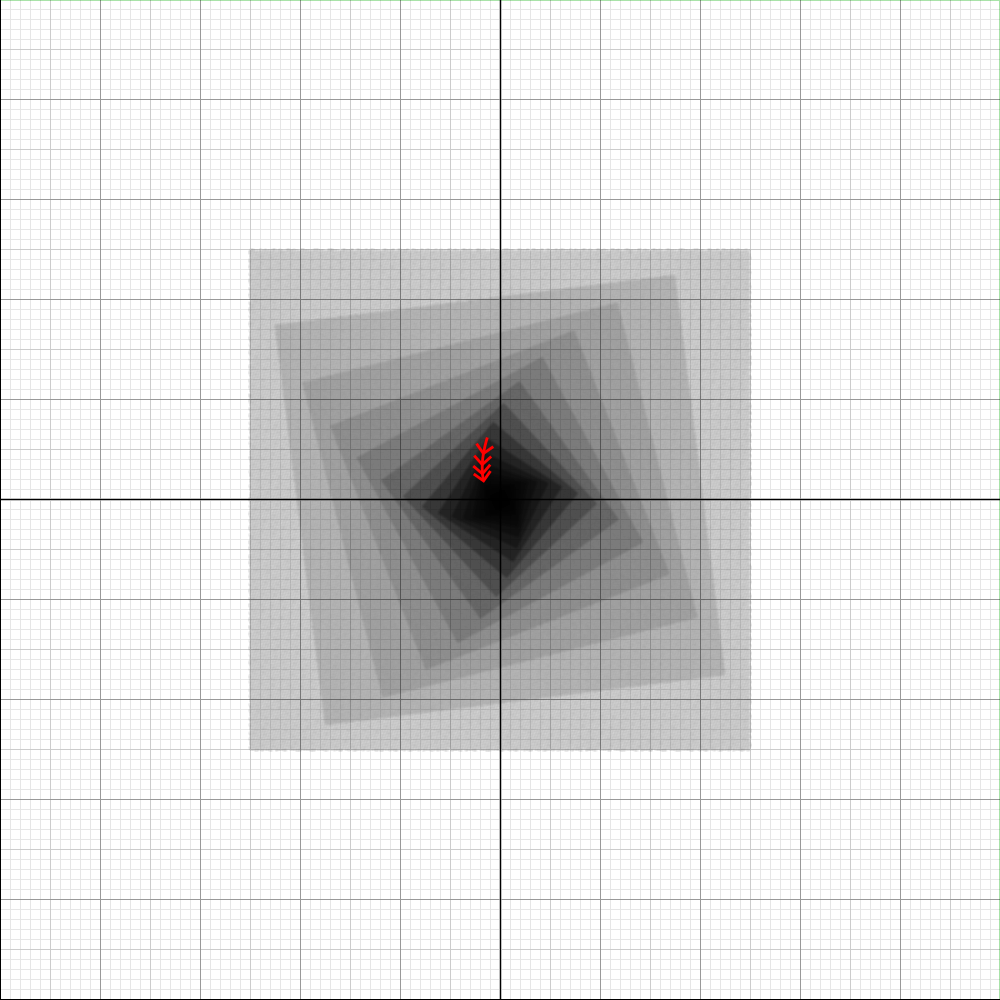
Translation: 3 iterations

Select an arbitrary initial point `z_0`.
Select a function `F(z) = z + p`
Apply the function (iteration):

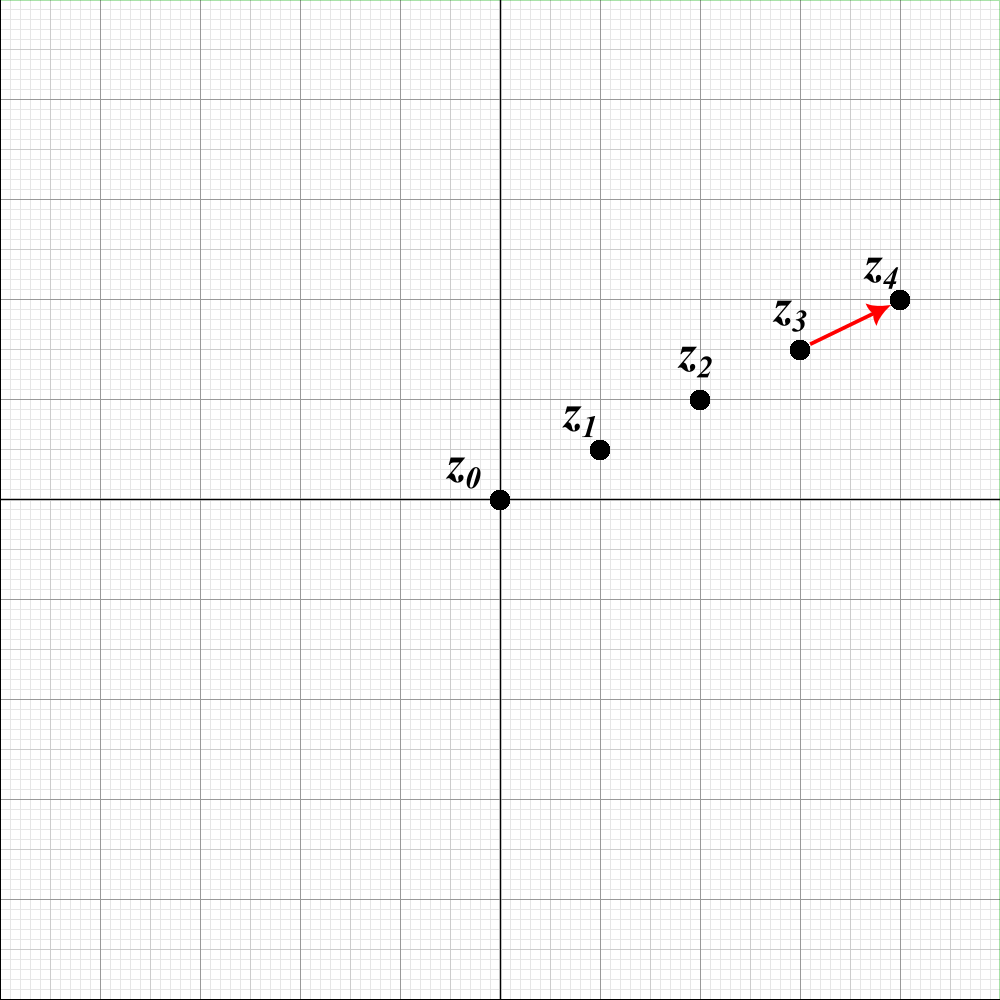
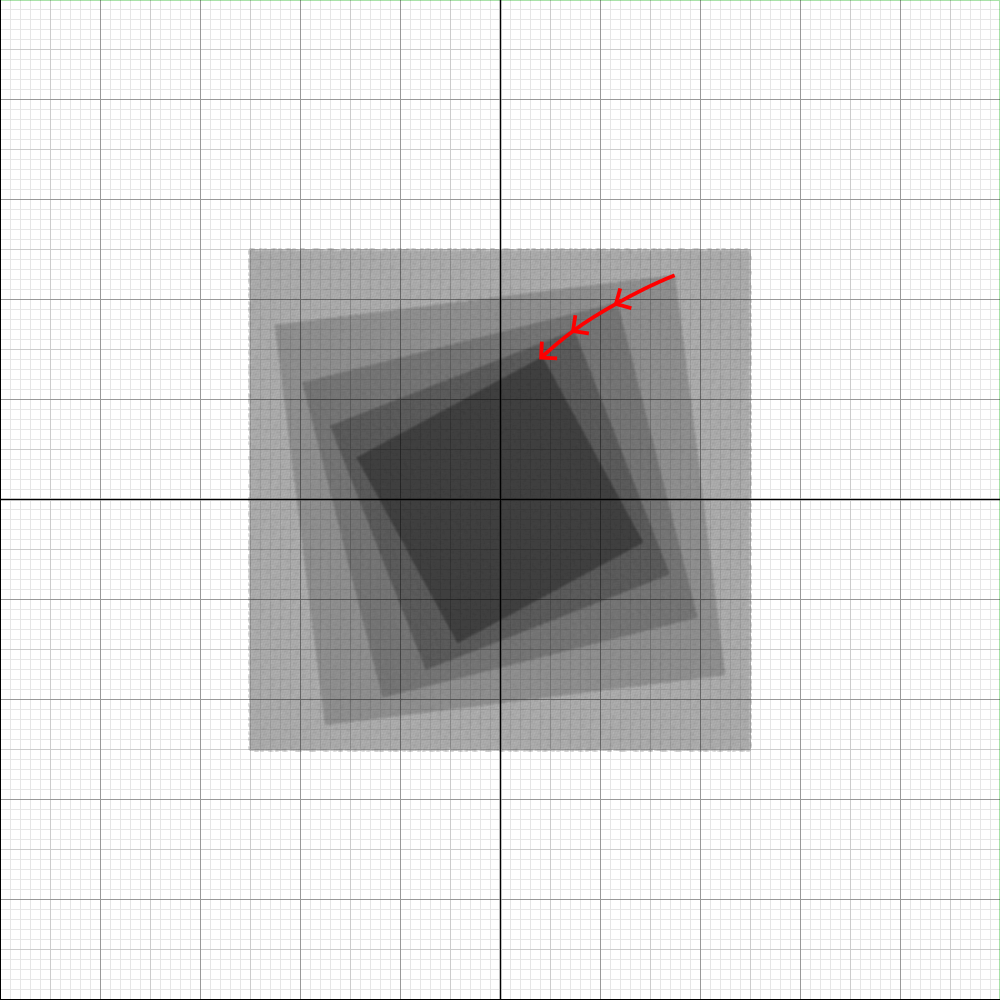
Translation: 4 iterations

Select an arbitrary initial point `z_0`.
Select a function `F(z) = z + p`
Apply the function (iteration):

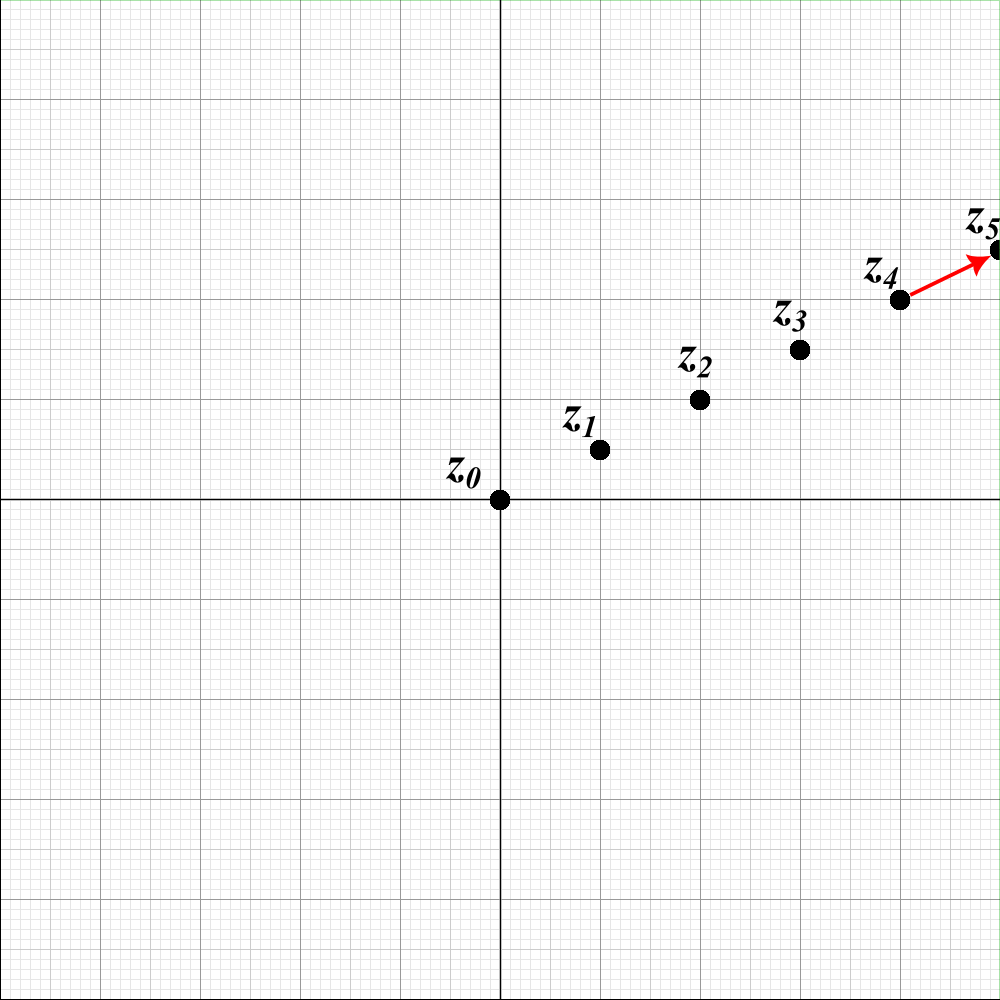
Translation: 5 iterations

Select an arbitrary initial point `z_0`.
Select a function `F(z) = z + p`
Apply the function (iteration):

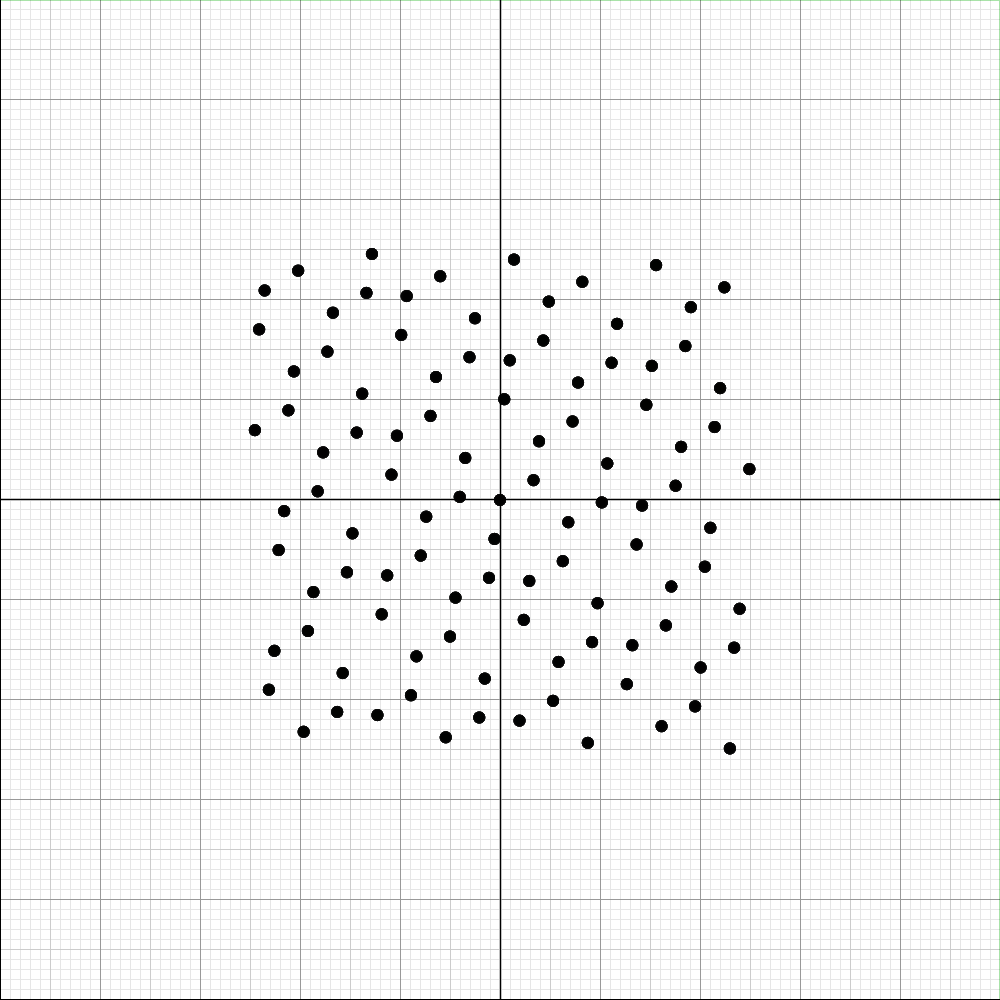
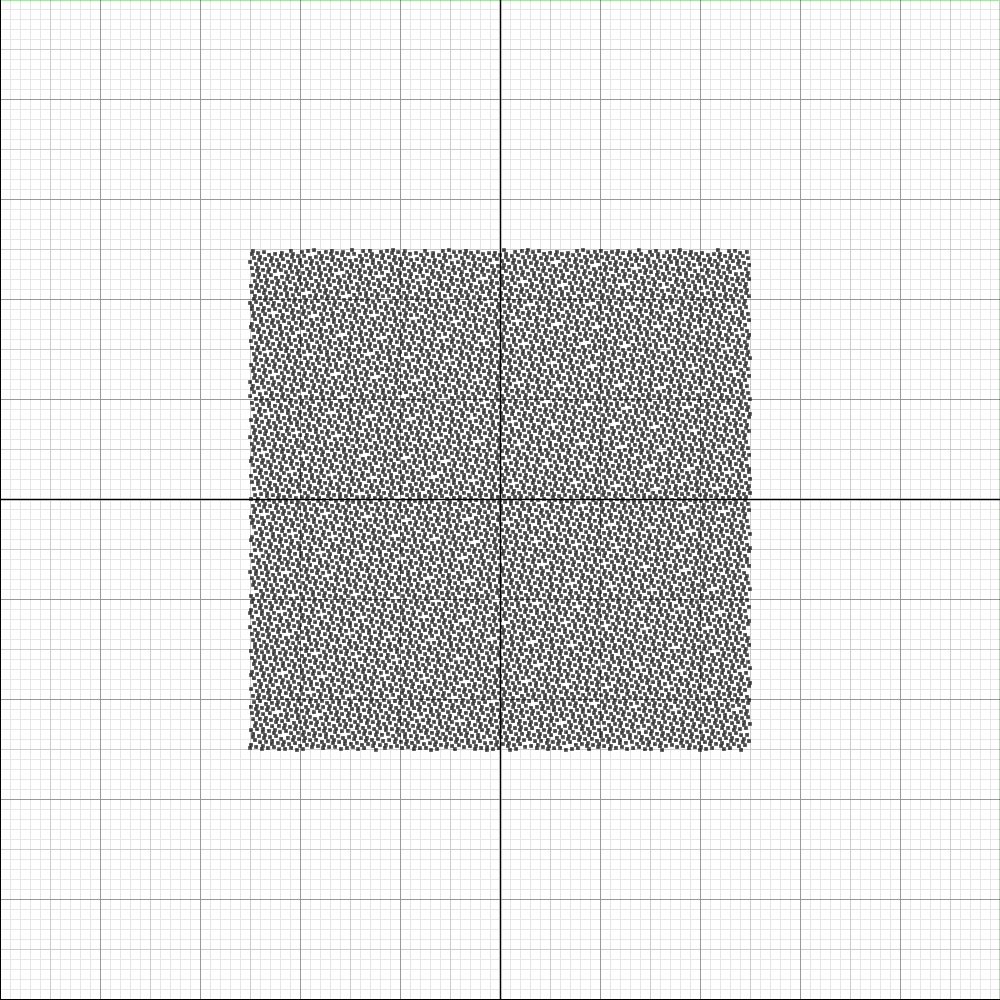
100 points

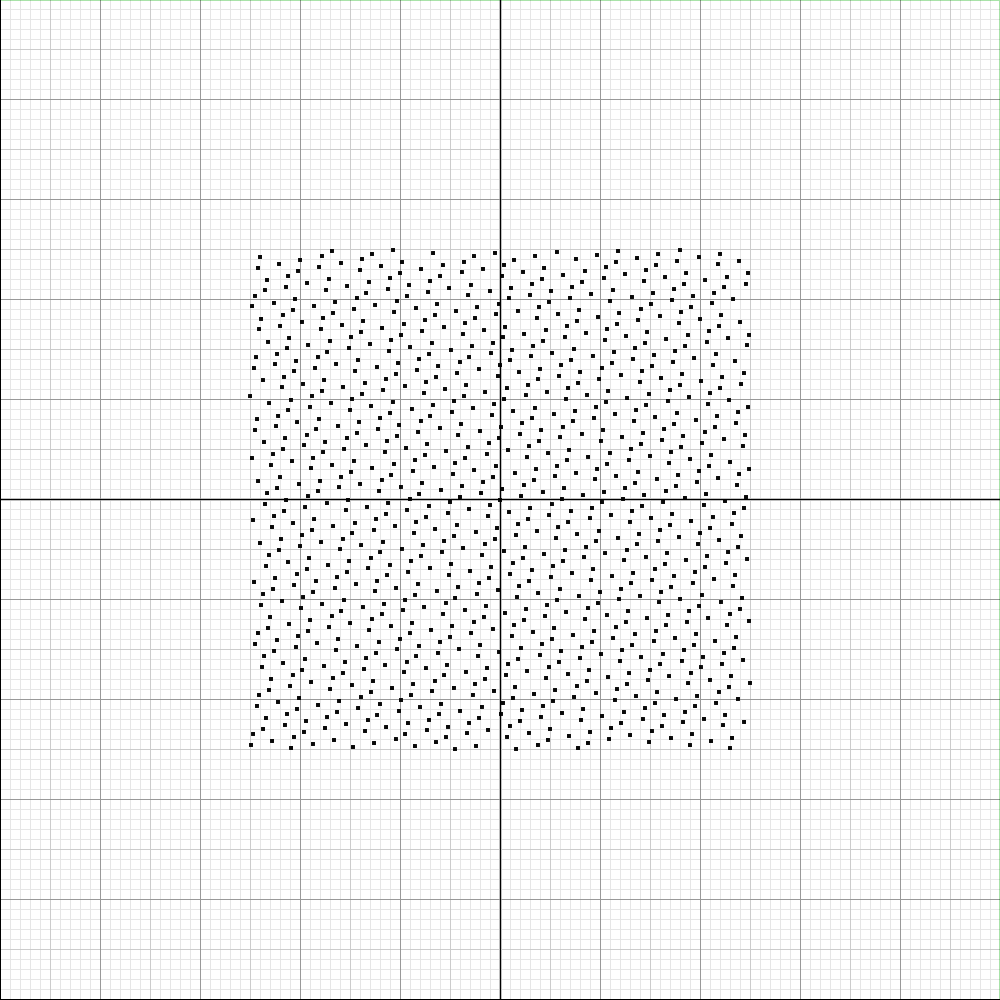
1,000 points

10,000 points

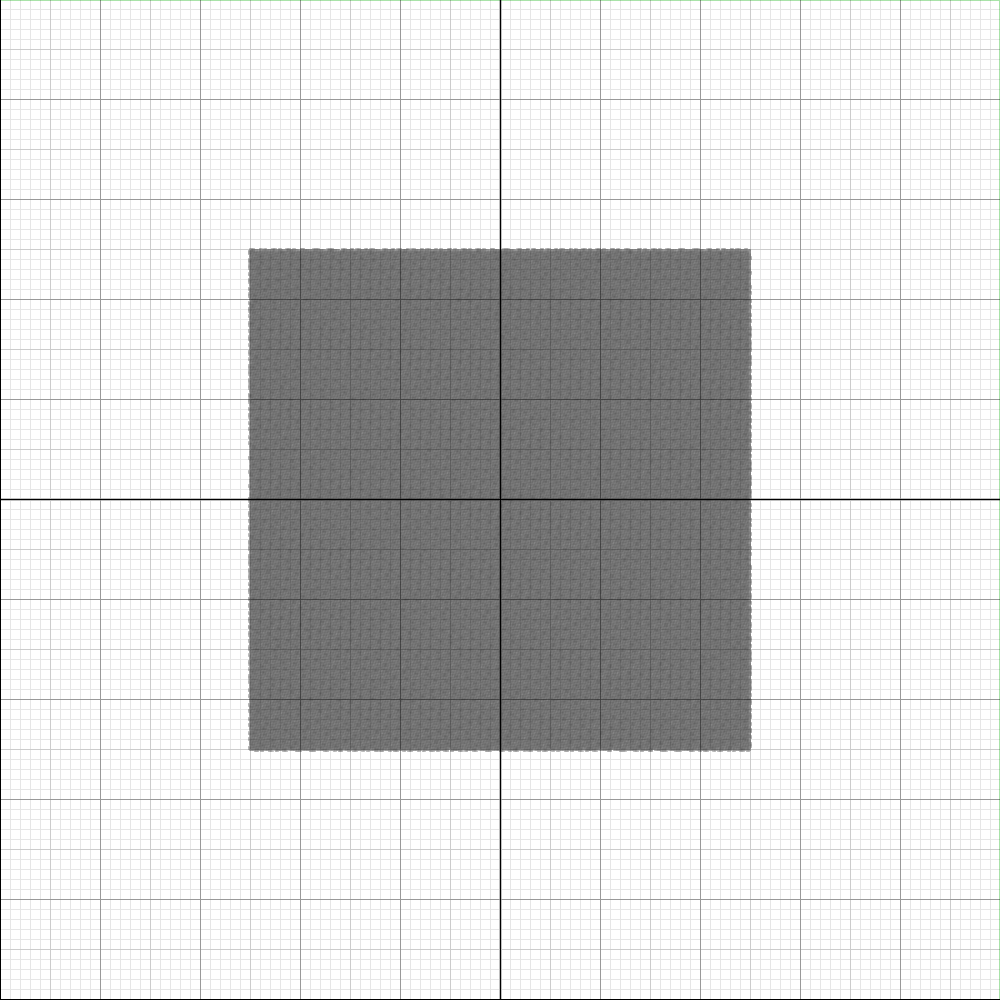
100,000 points

Translation: 100,000 points, 1 iteration

Apply the iteration to each point `i in [1, 100,000]`:

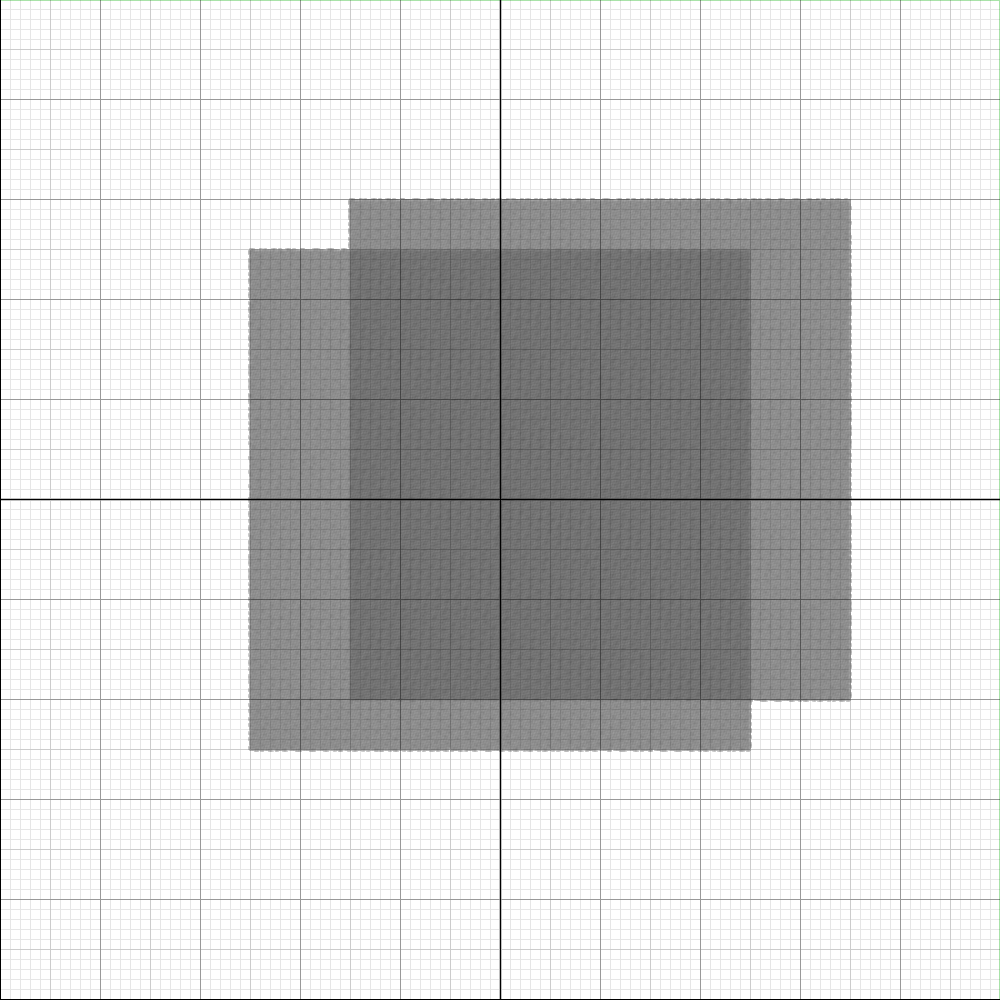
Translation: 100,000 points, 2 iteration

Apply the iteration to each point `i in [1, 100,000]`:

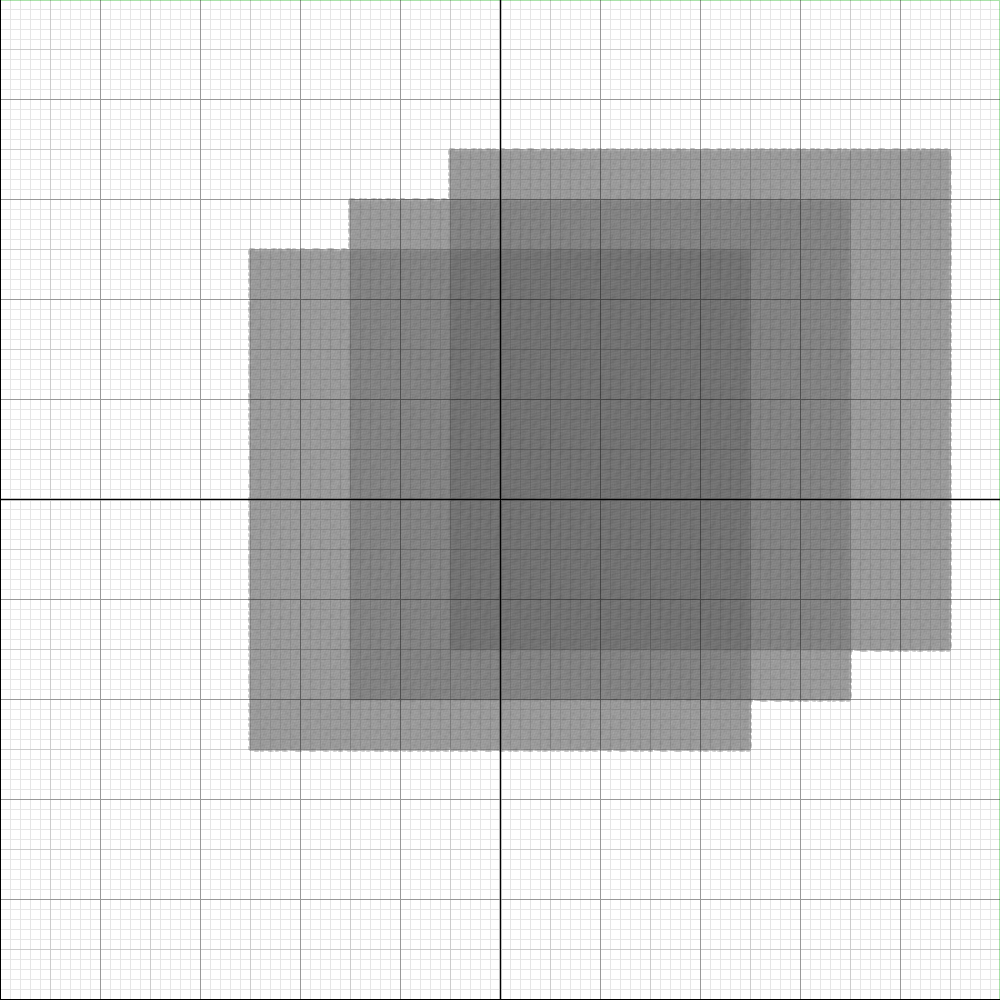
Translation: 100,000 points, 3 iteration

Apply the iteration to each point `i in [1, 100,000]`:

Translation: 100,000 points, 4 iteration

Apply the iteration to each point `i in [1, 100,000]`:

Translation: 100,000 points, 5 iteration

Apply the iteration to each point `i in [1, 100,000]`:

Translation: 100,000 points, 6 iteration

Apply the iteration to each point `i in [1, 100,000]`:

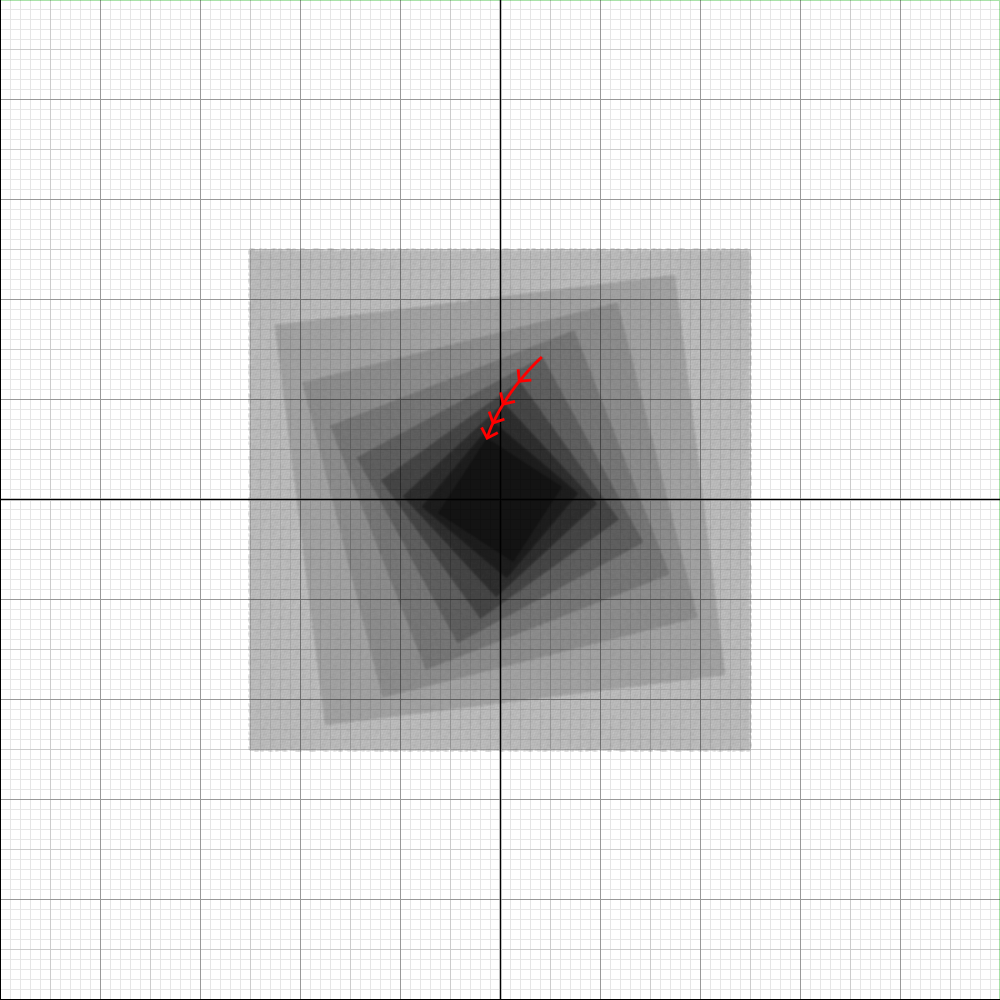
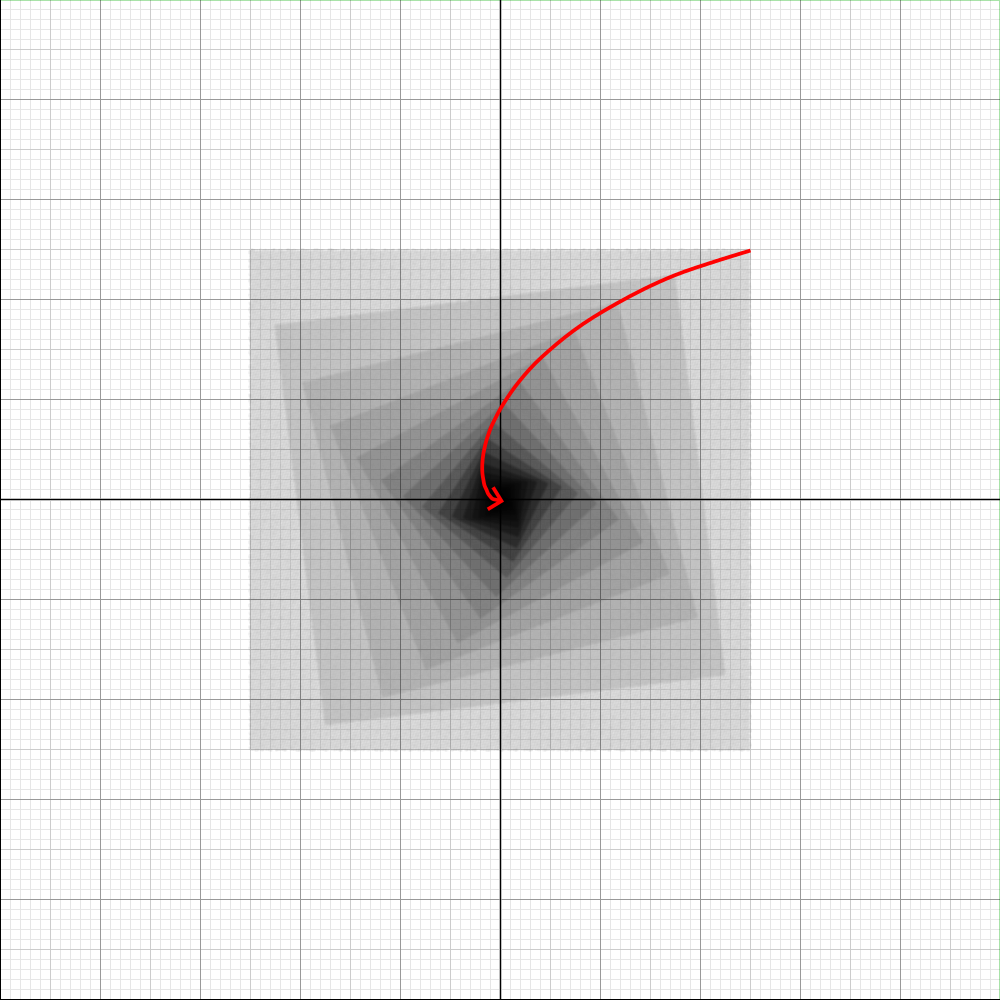
Another Iterations: Scaling

Scaling: 1 iteration

Scaling: 4 iteration

Scaling: 8 iteration

Scaling: 16 iteration

Scaling: 32 iteration

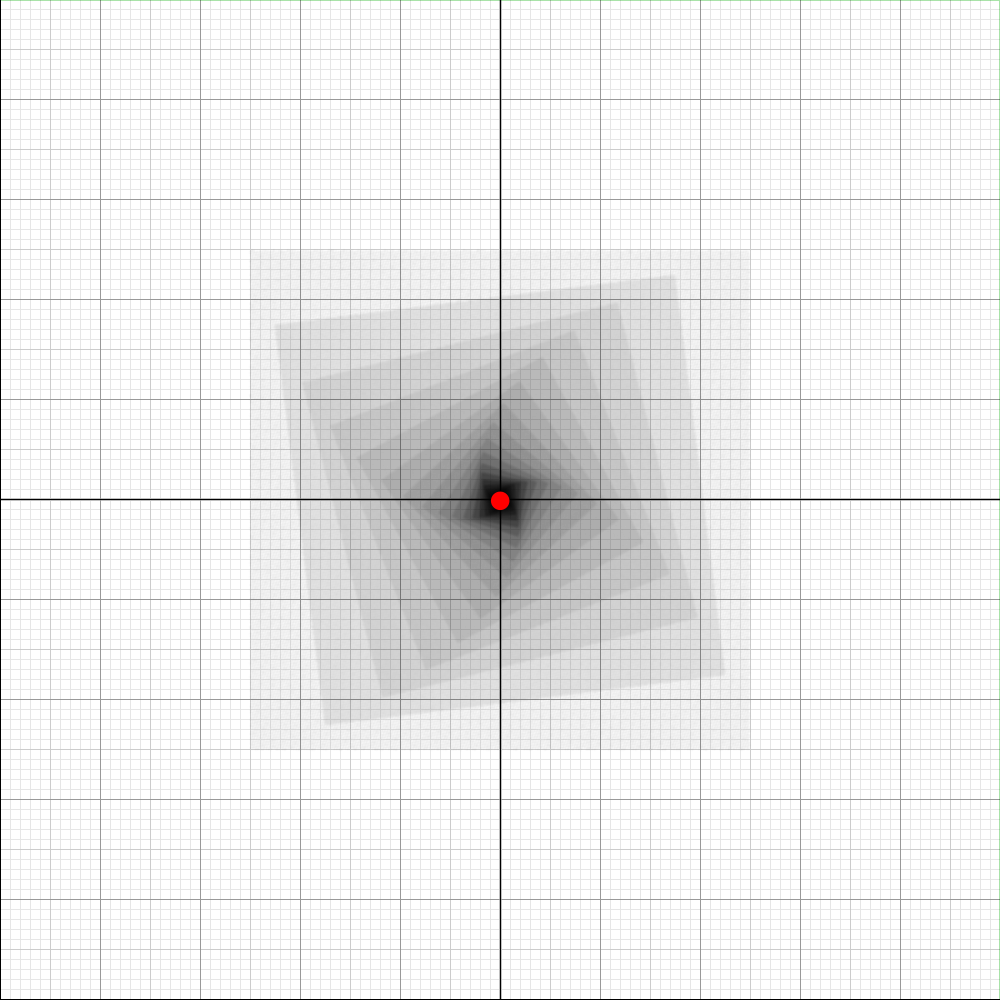
Limit Point: Attractor!

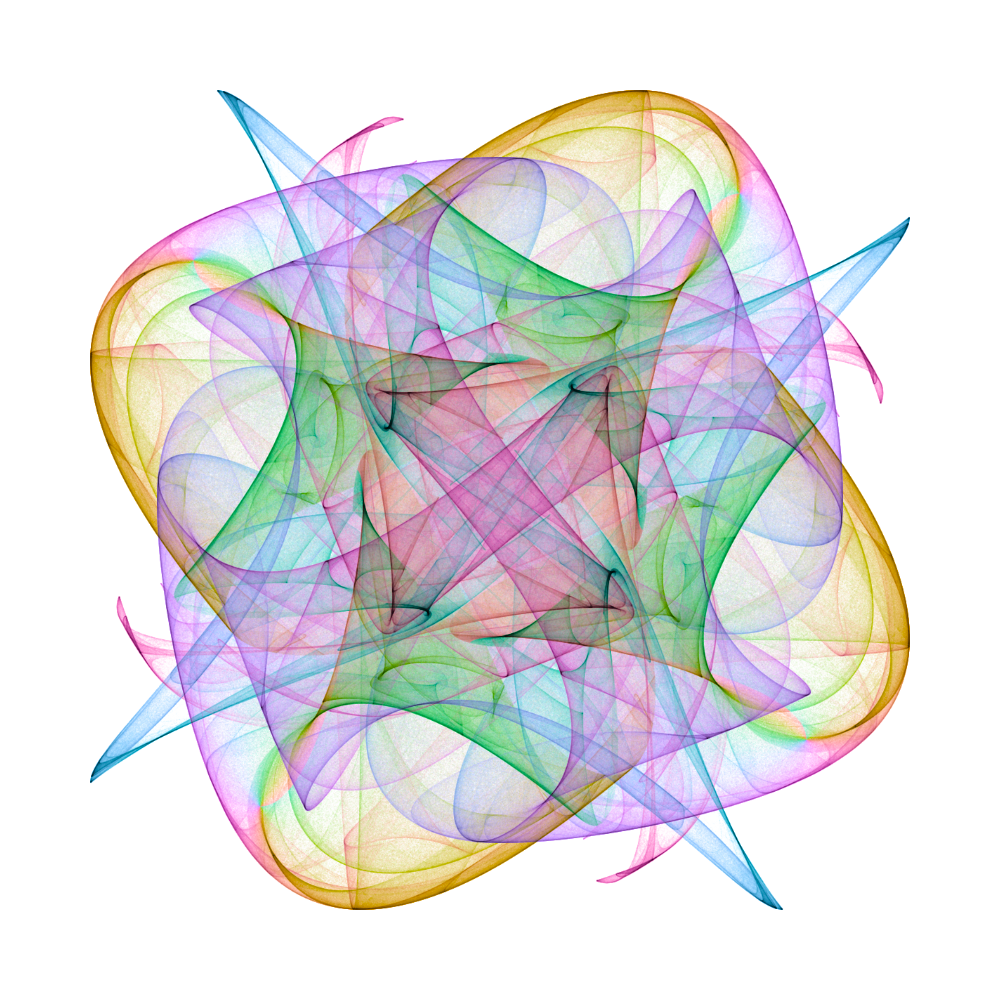
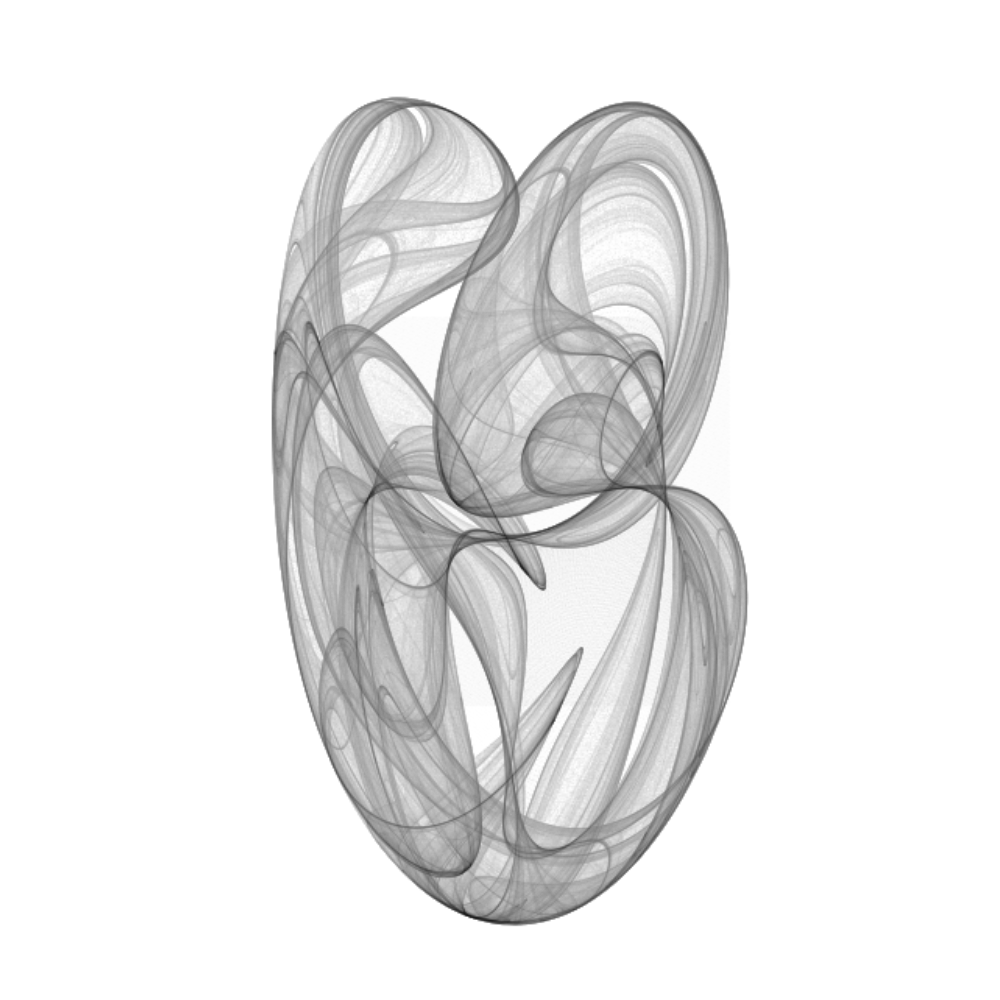
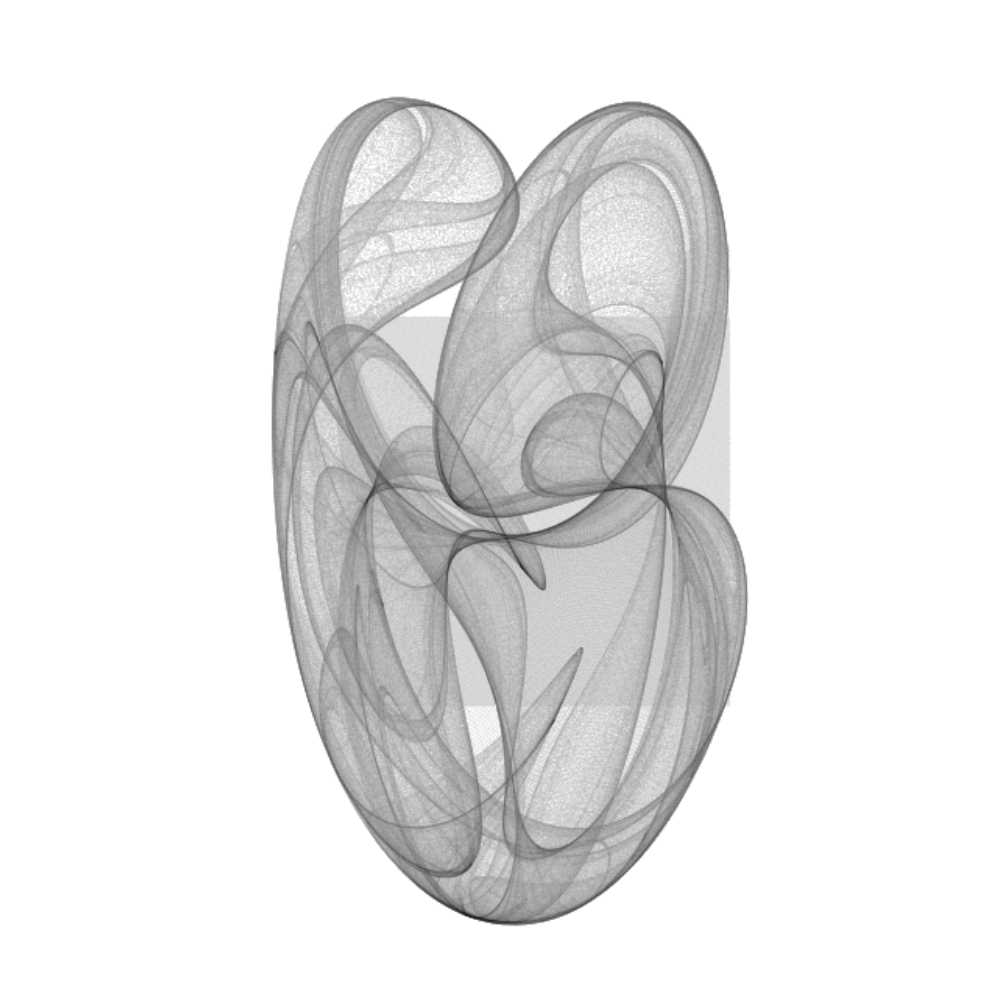
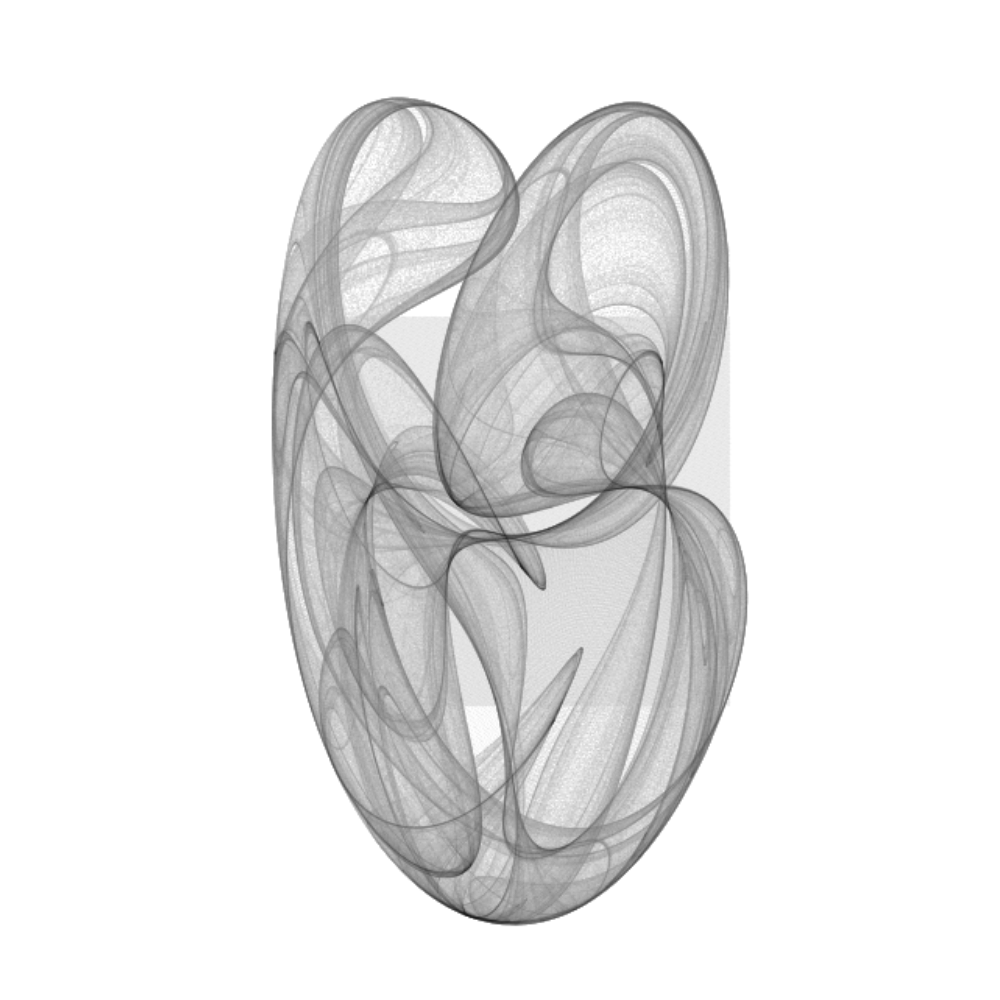
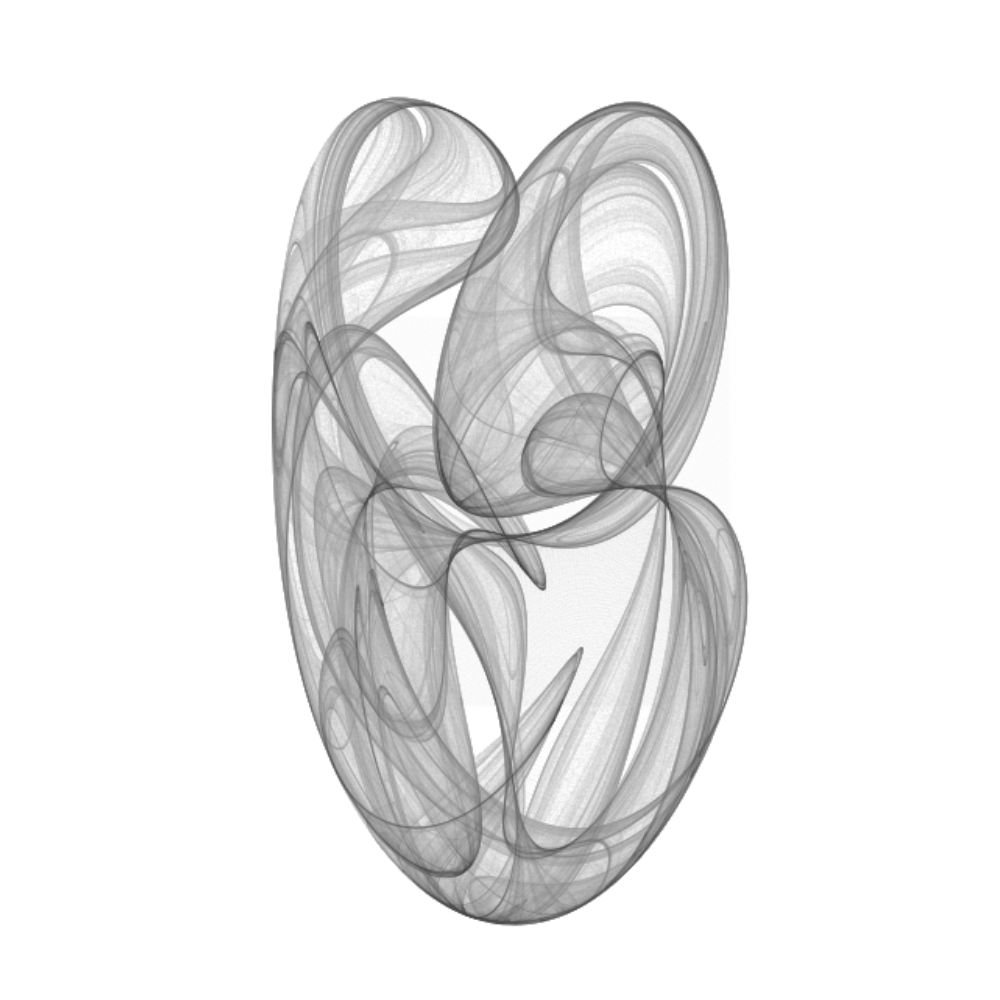
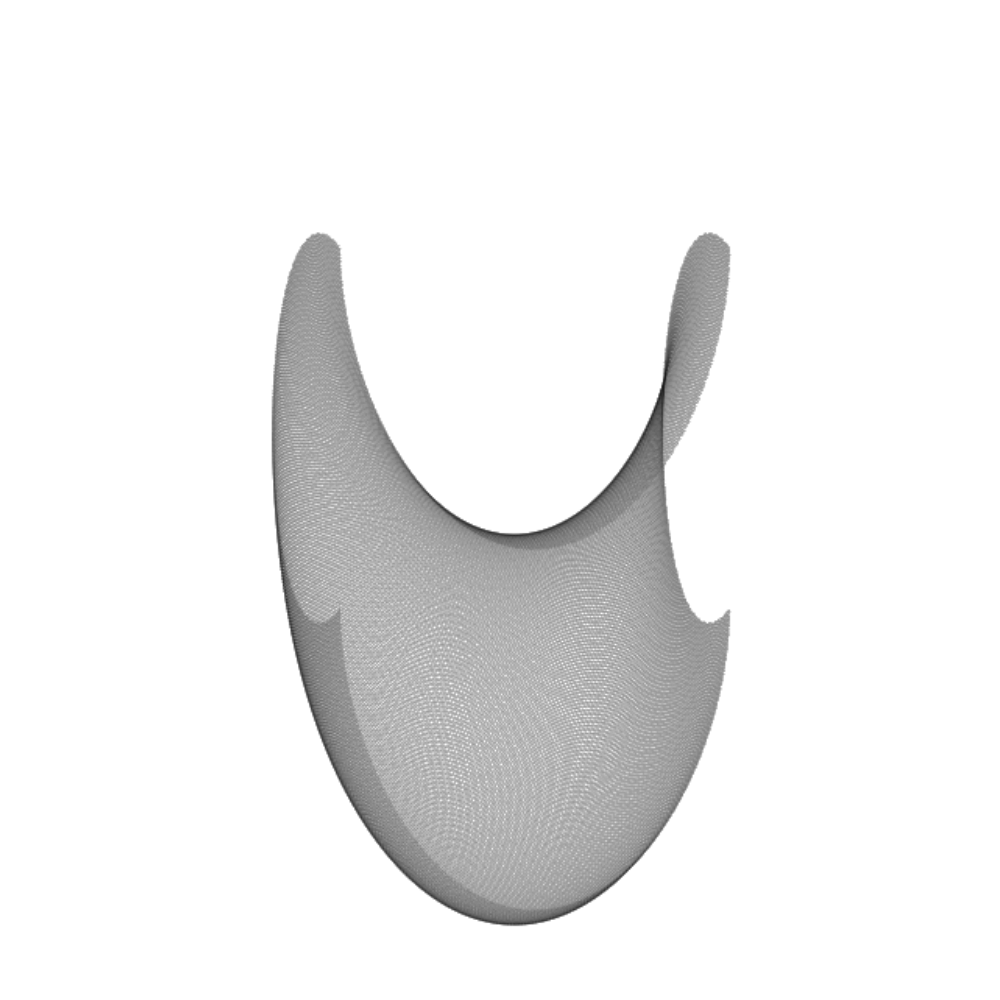
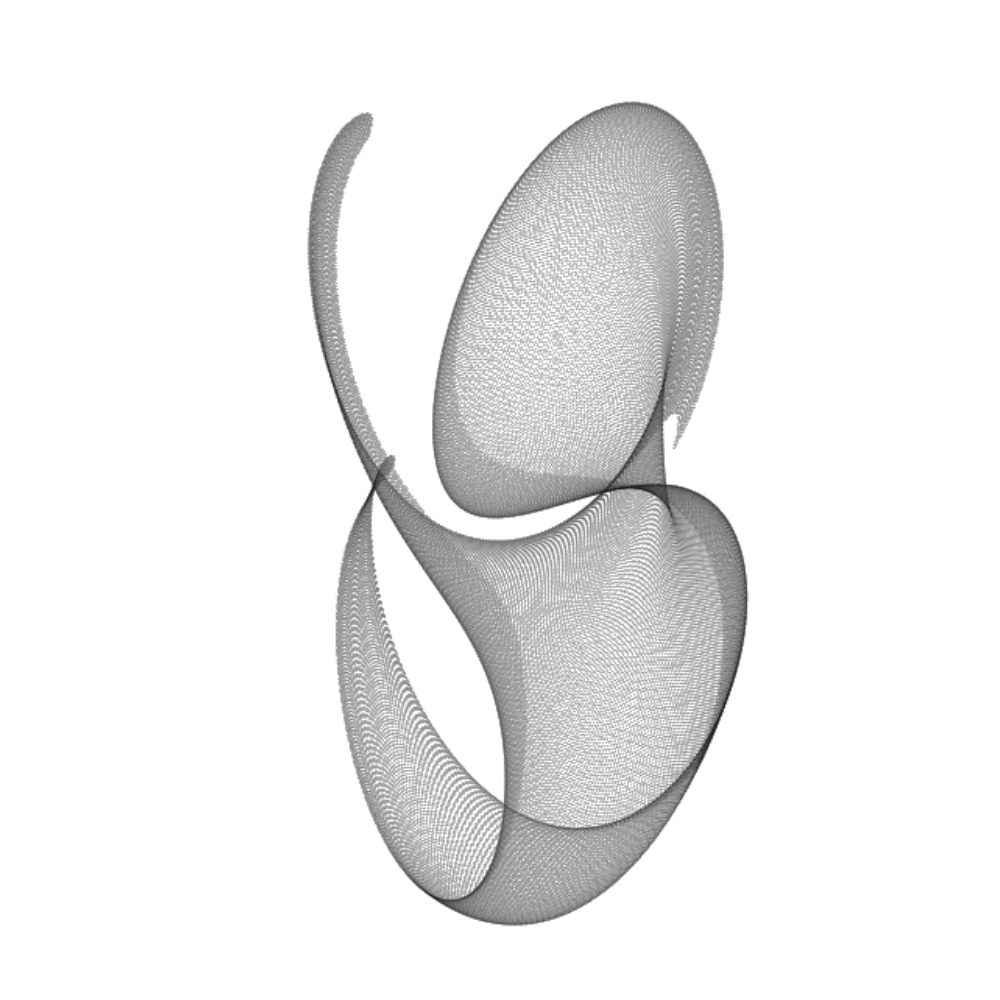
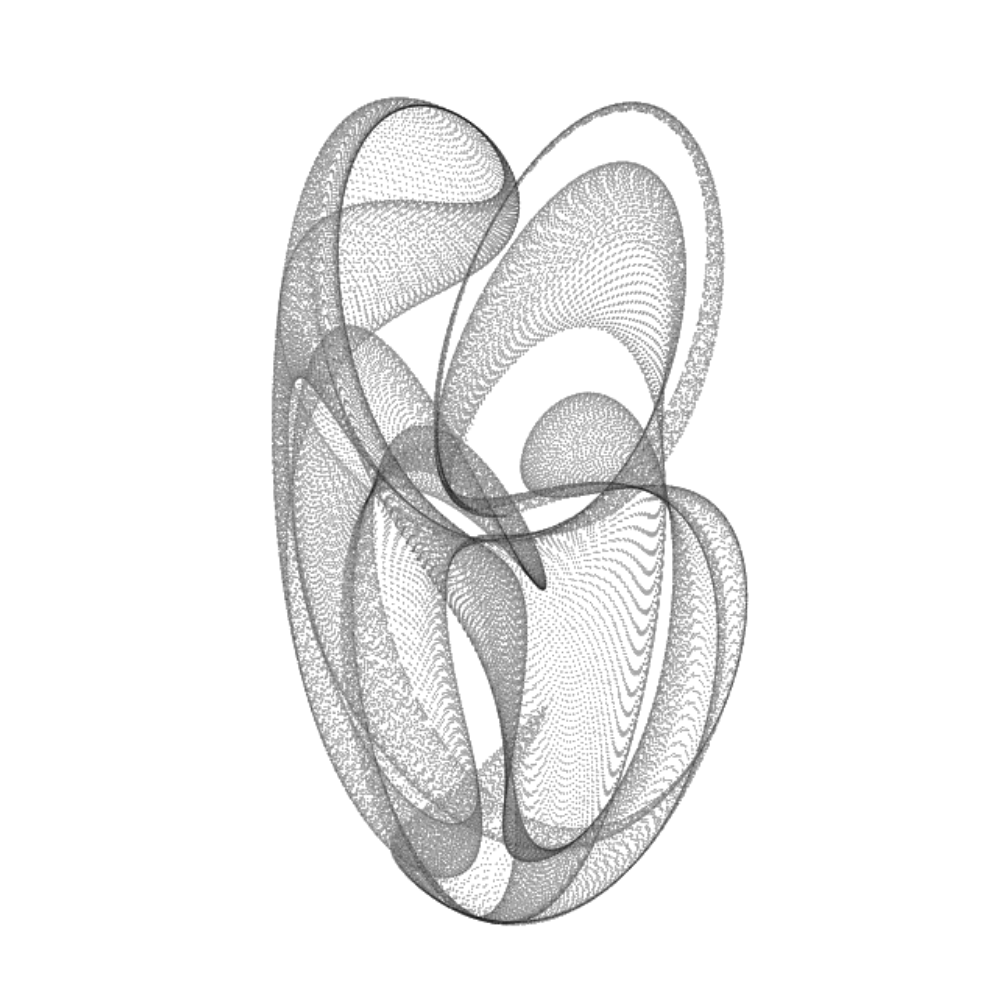
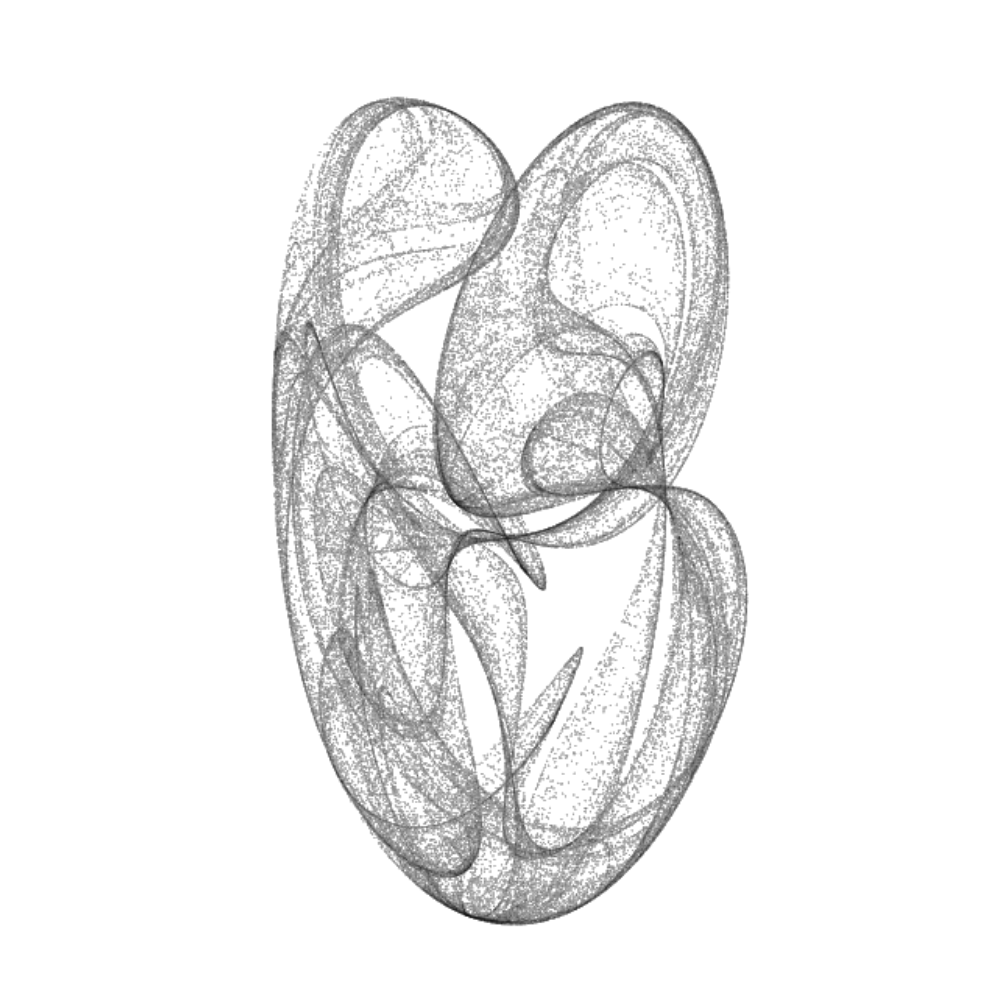
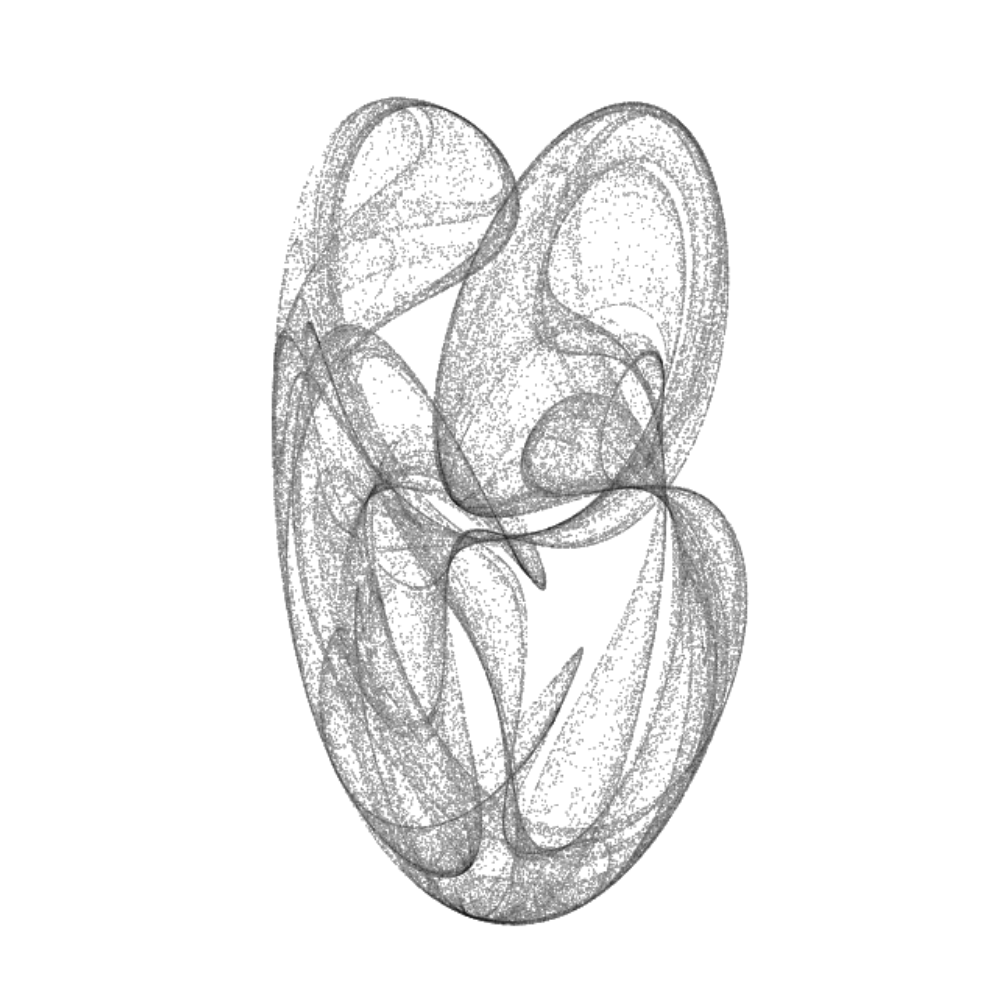
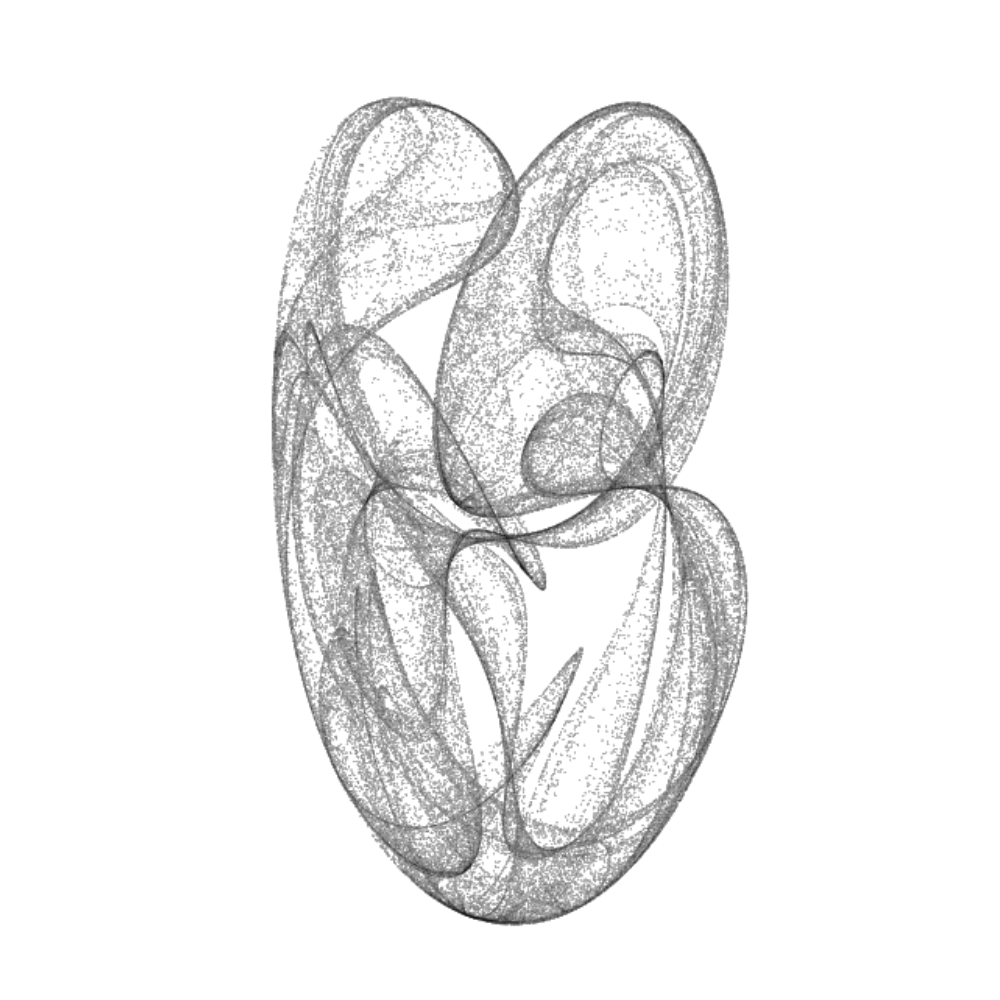
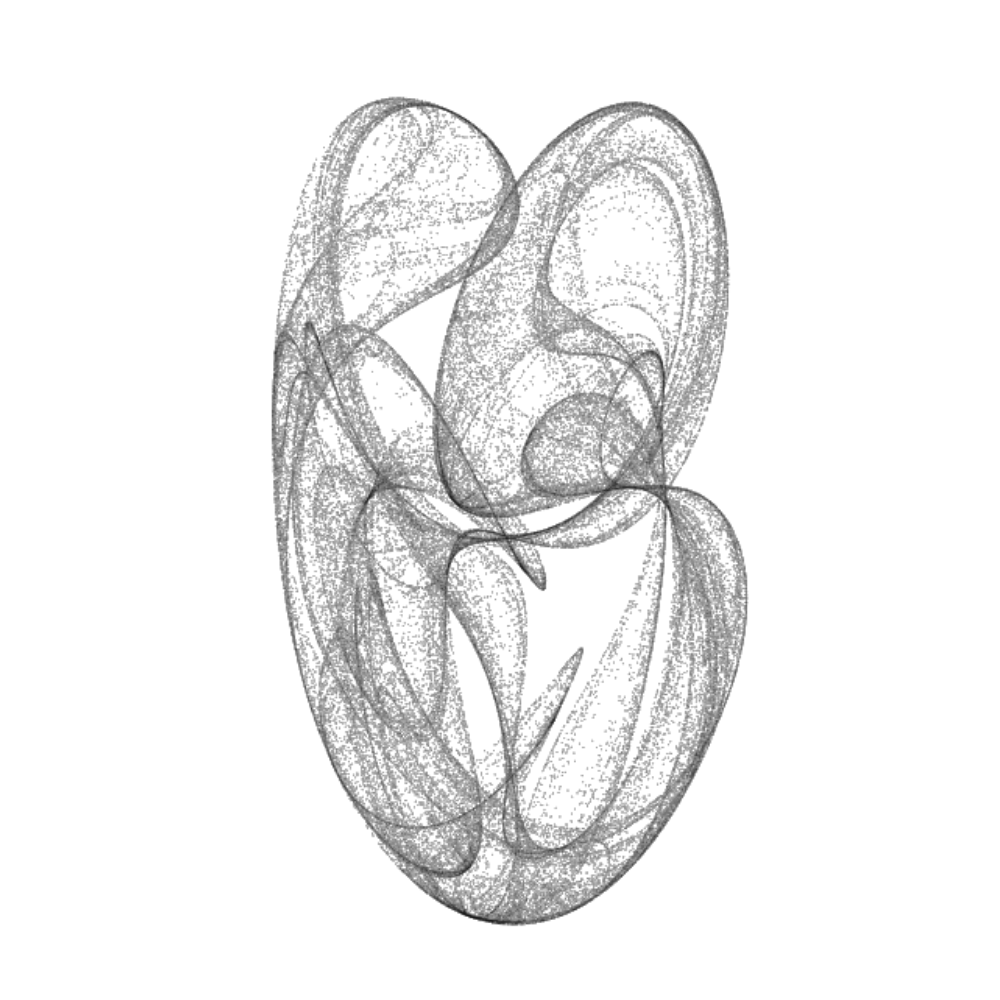
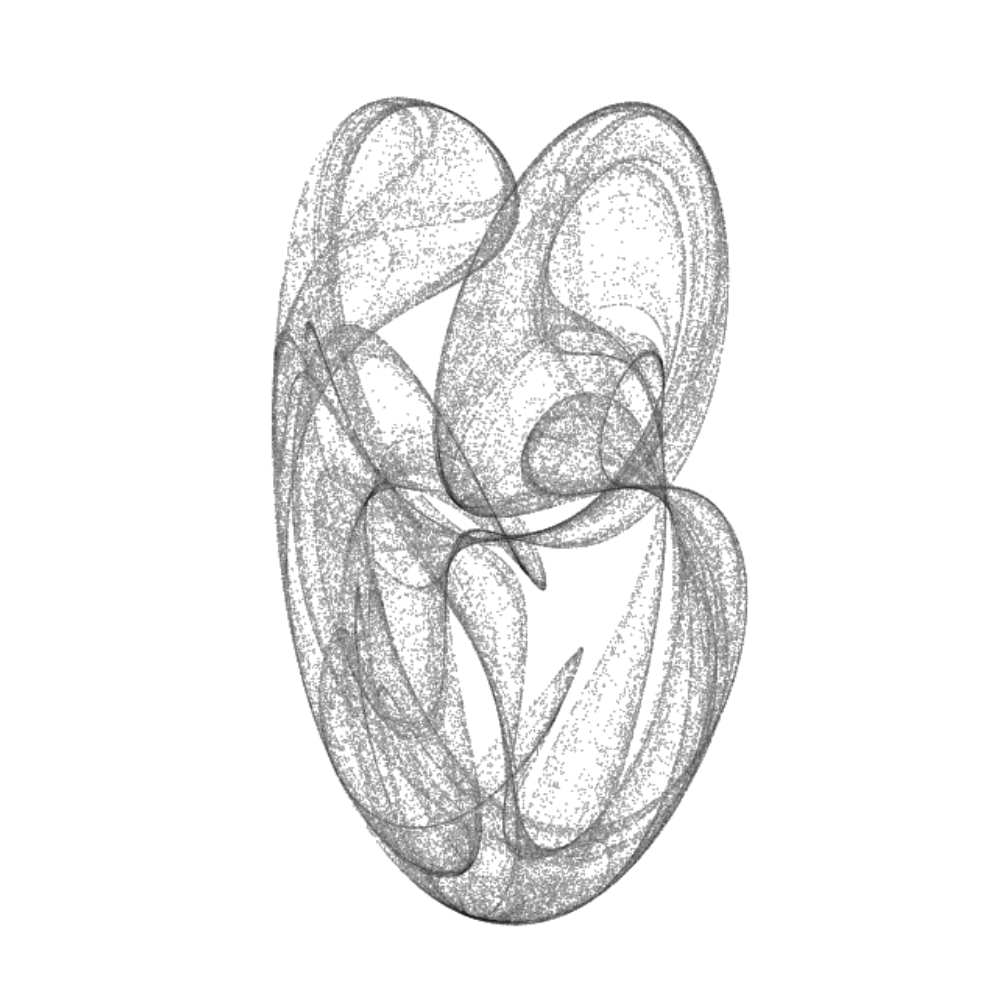
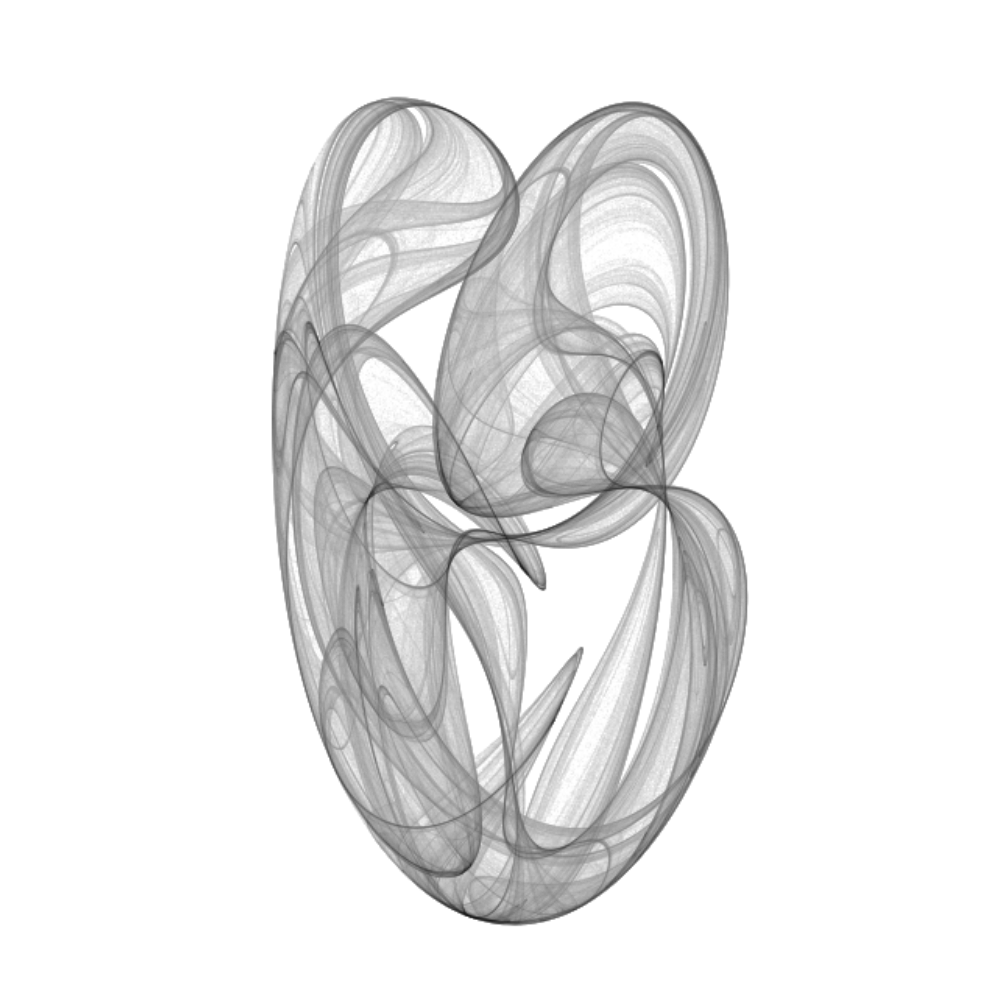
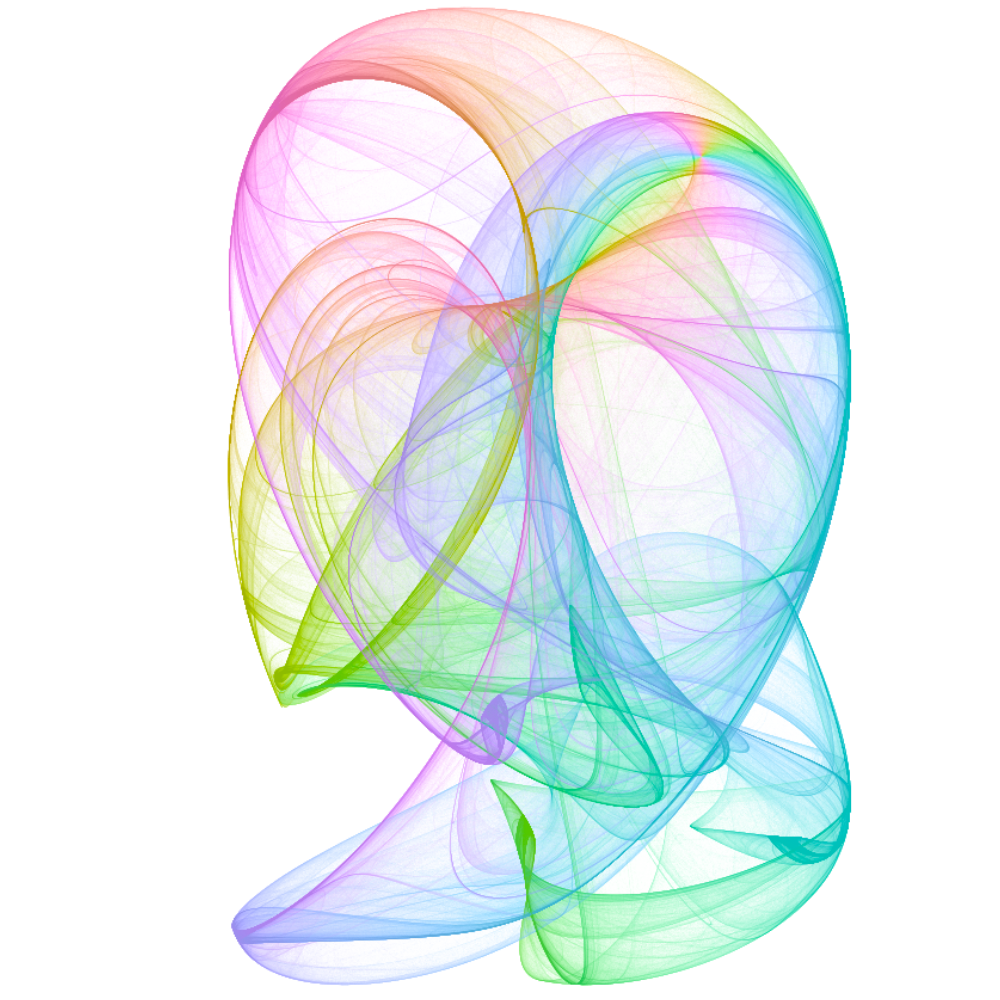
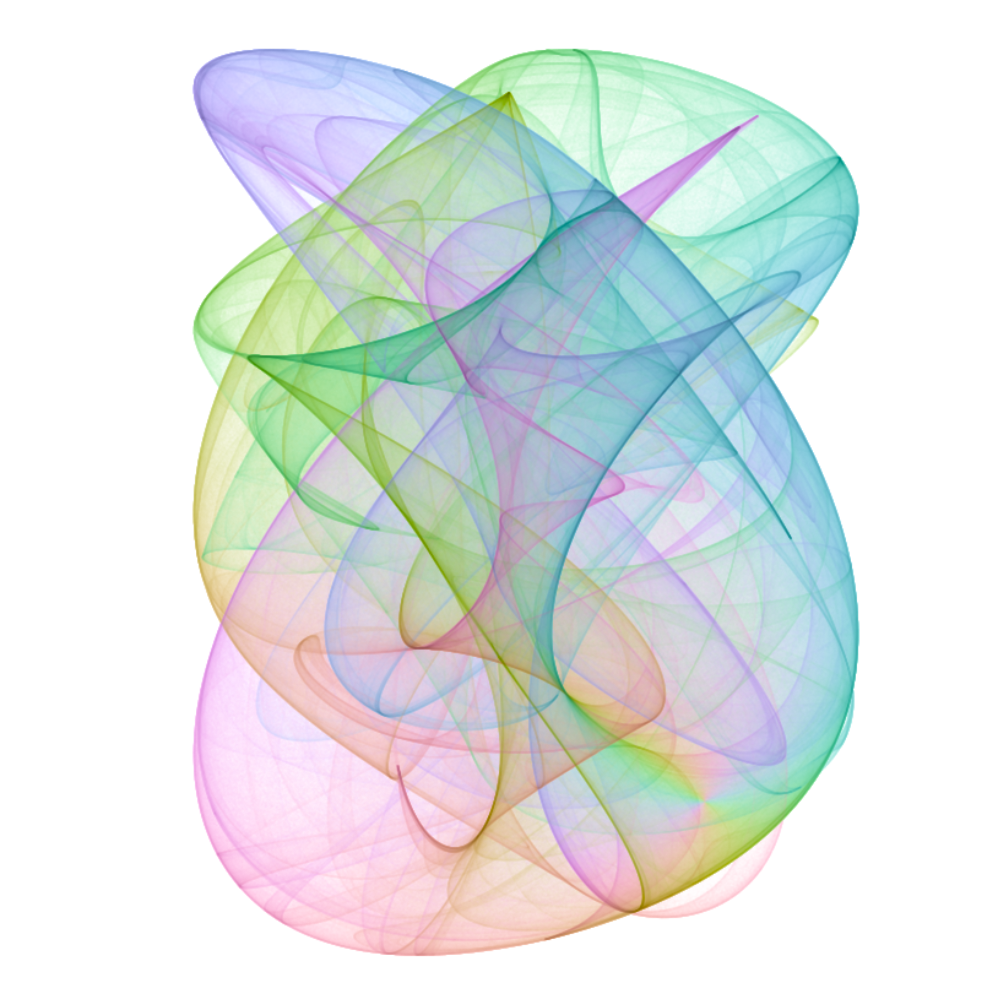
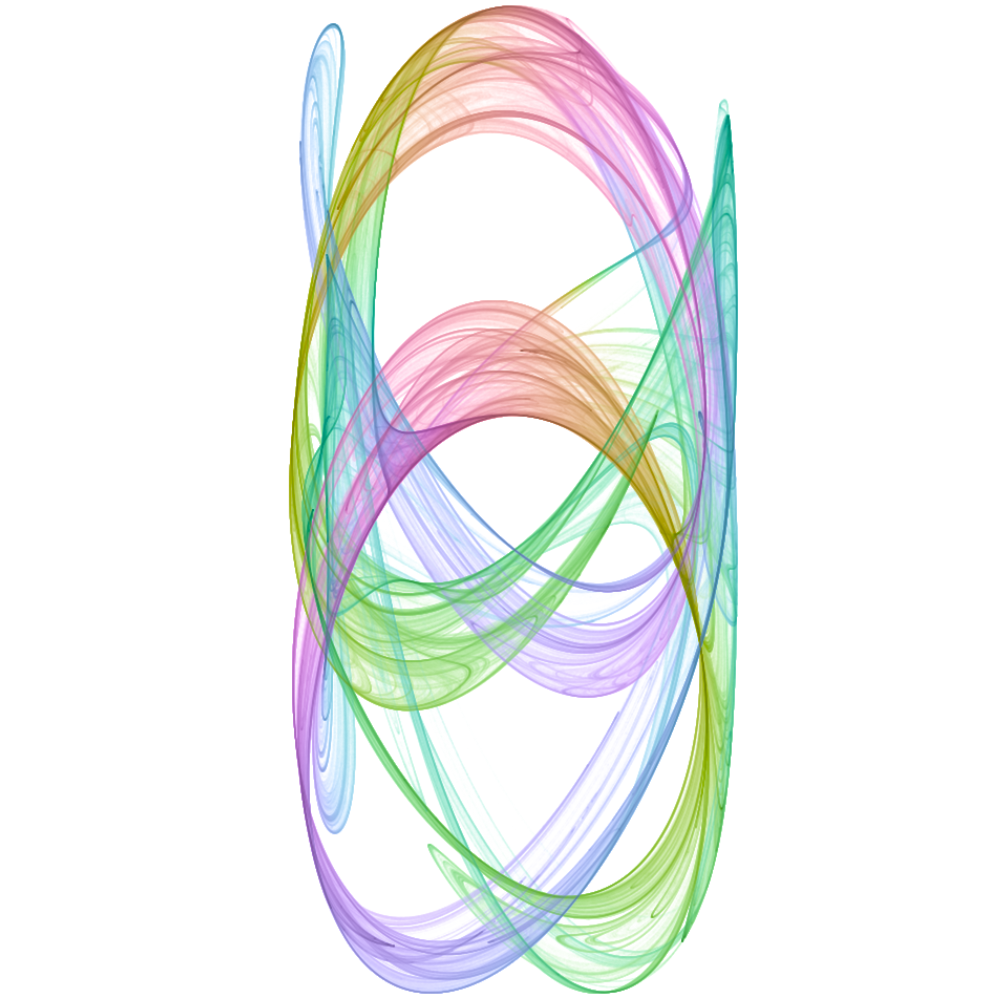
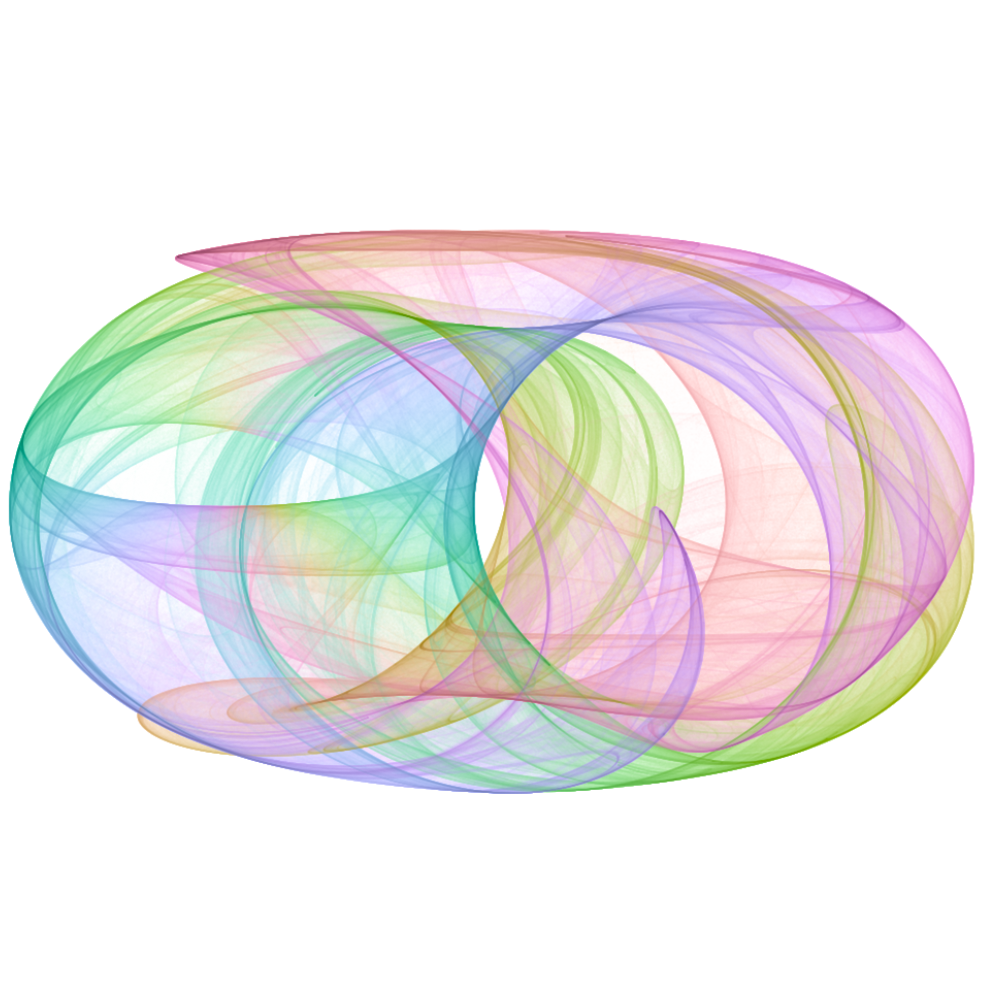
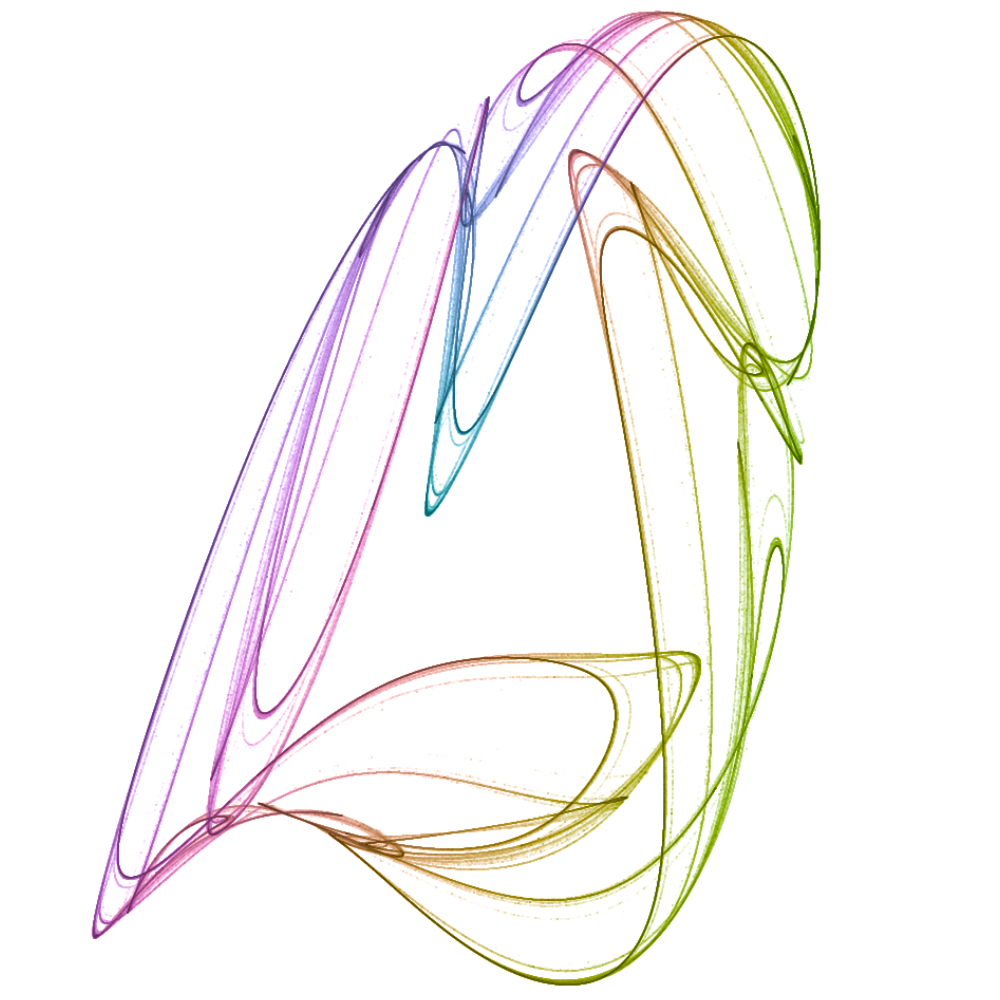
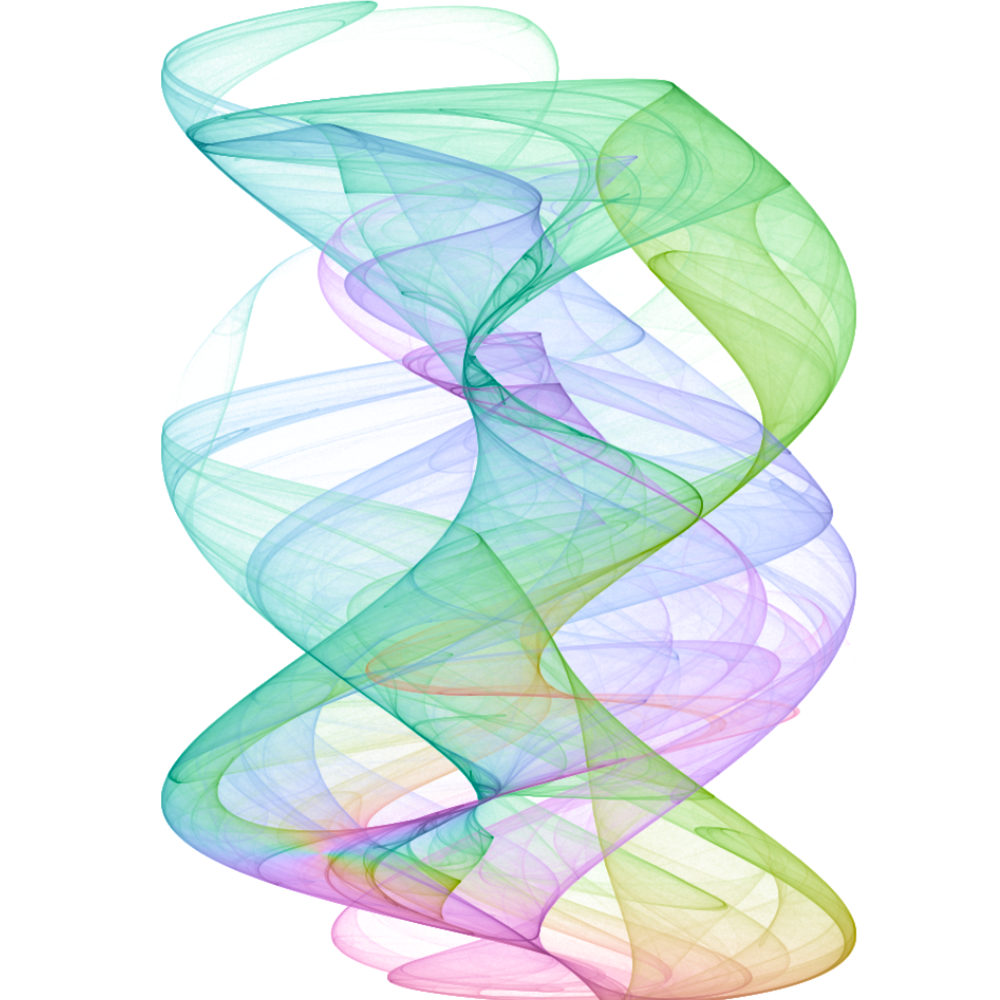
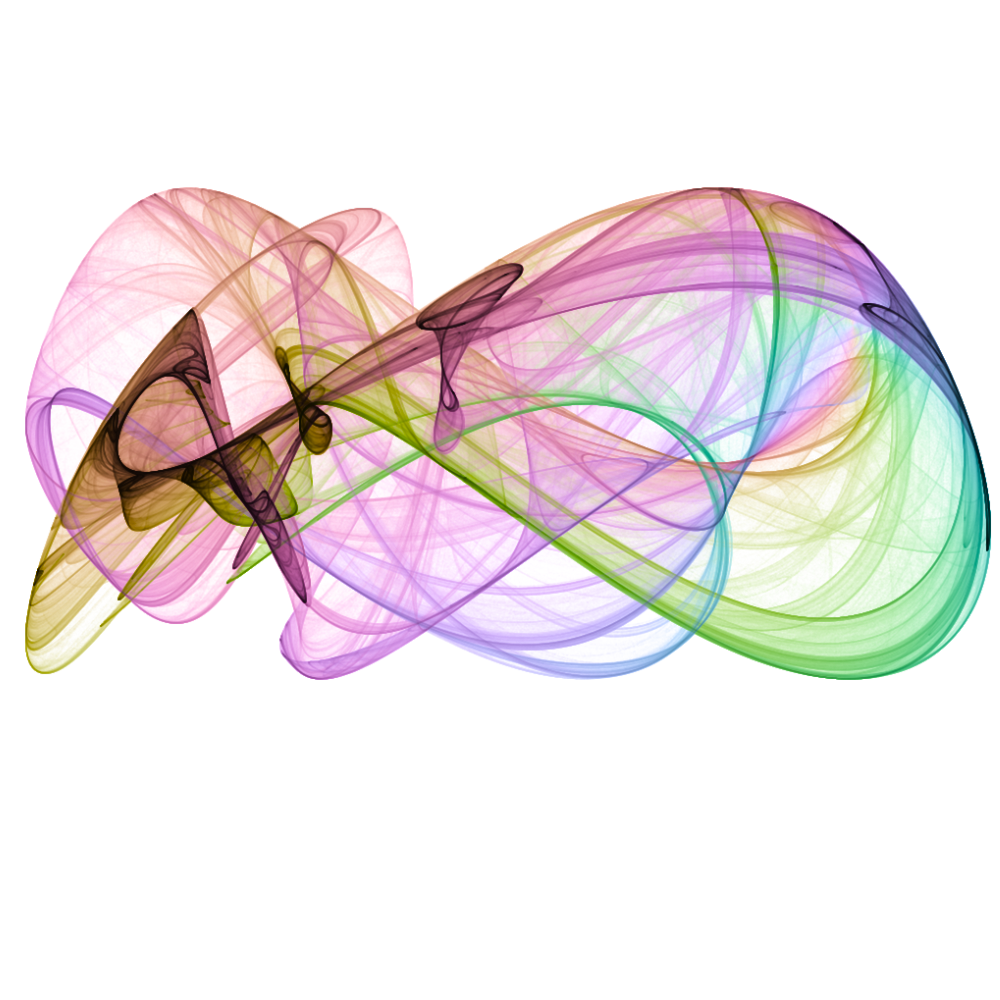
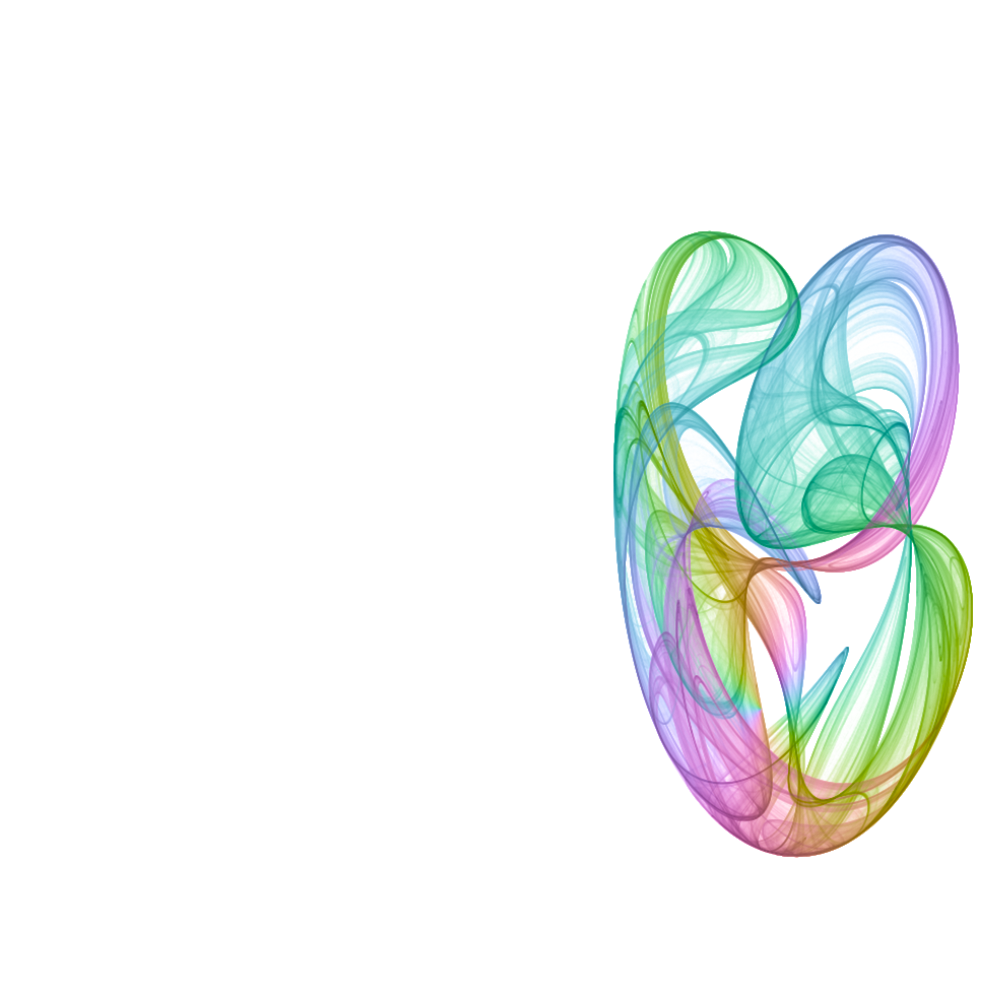
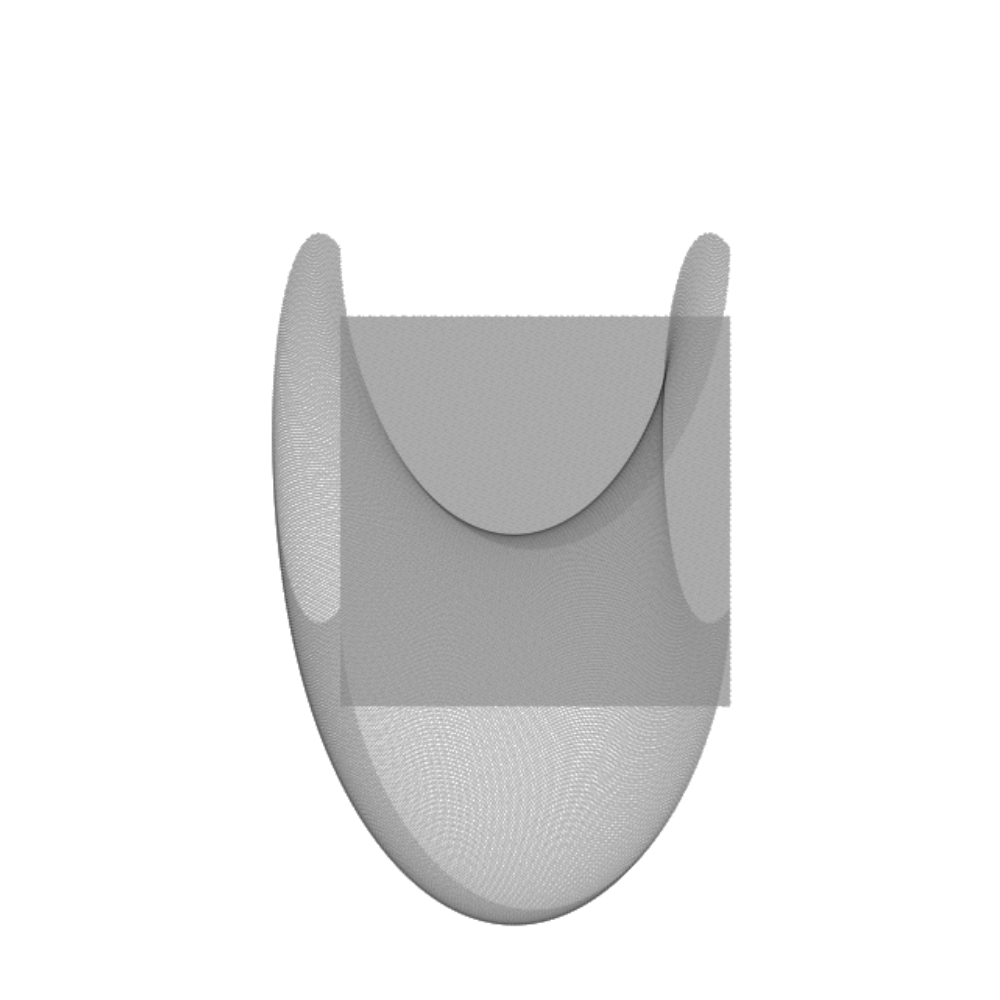
Clifford Attractor

The attractor exhibits rather complex chaotic behavior.

It was first described in 1990 book

Clifford Pickover 'Chaos in Wonderland'
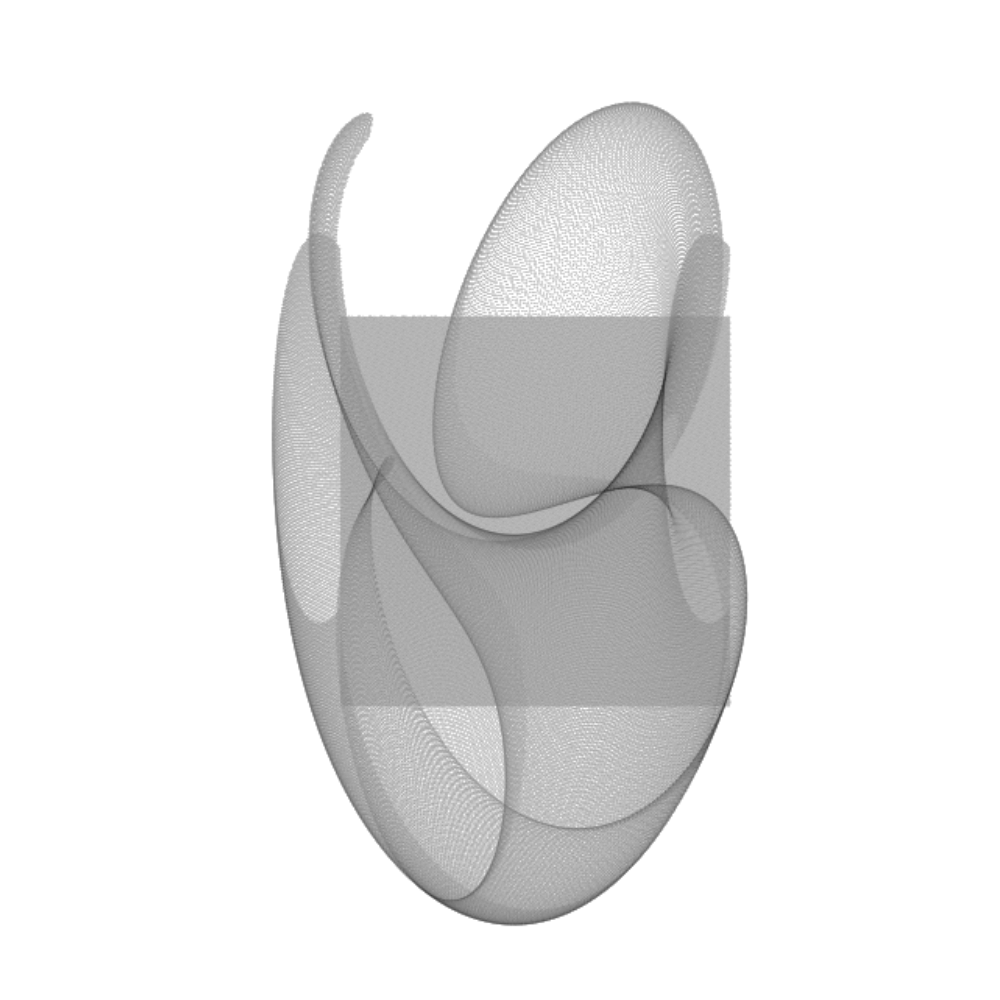
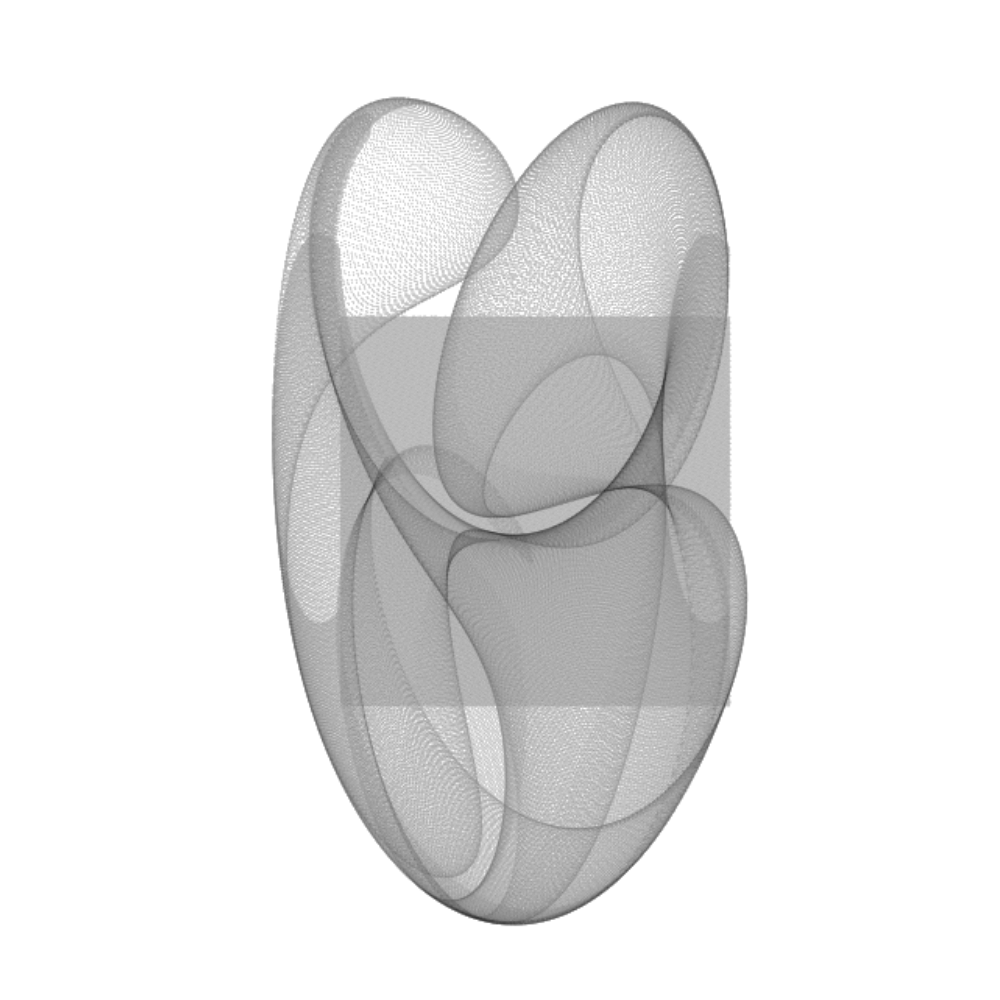
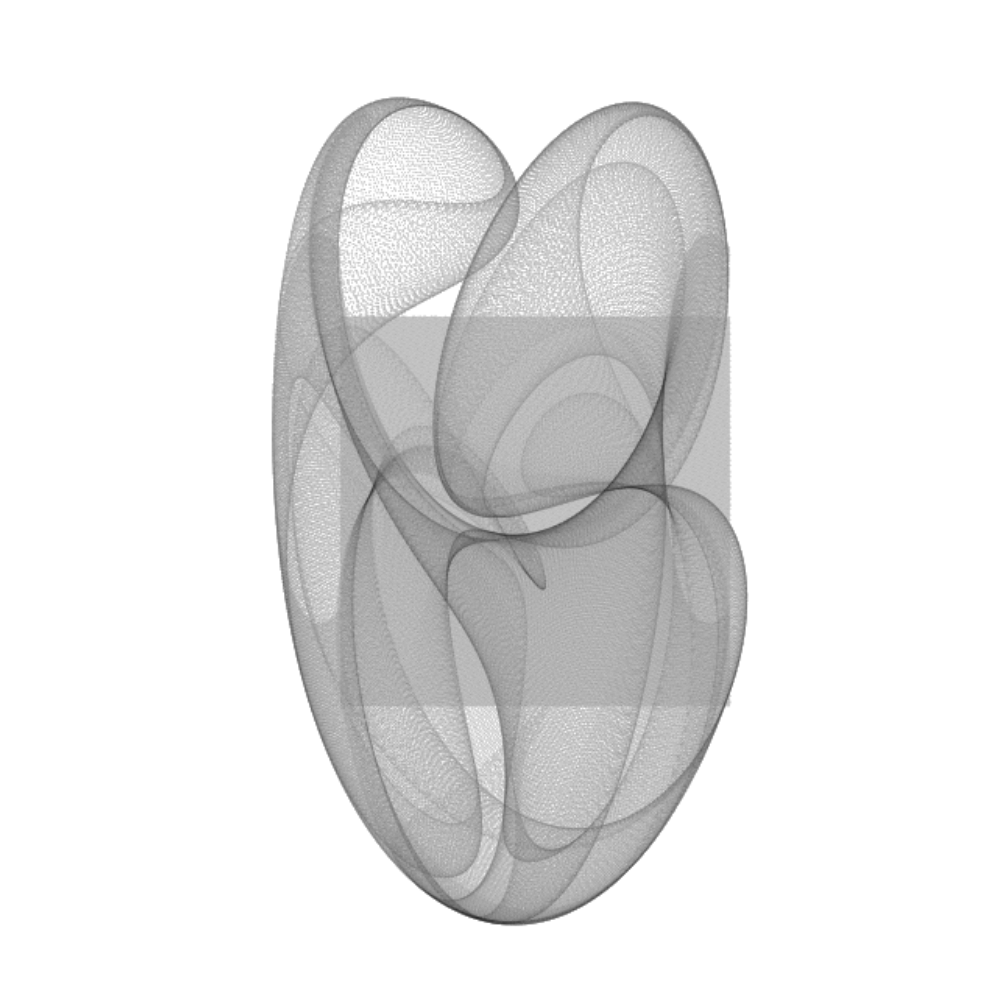
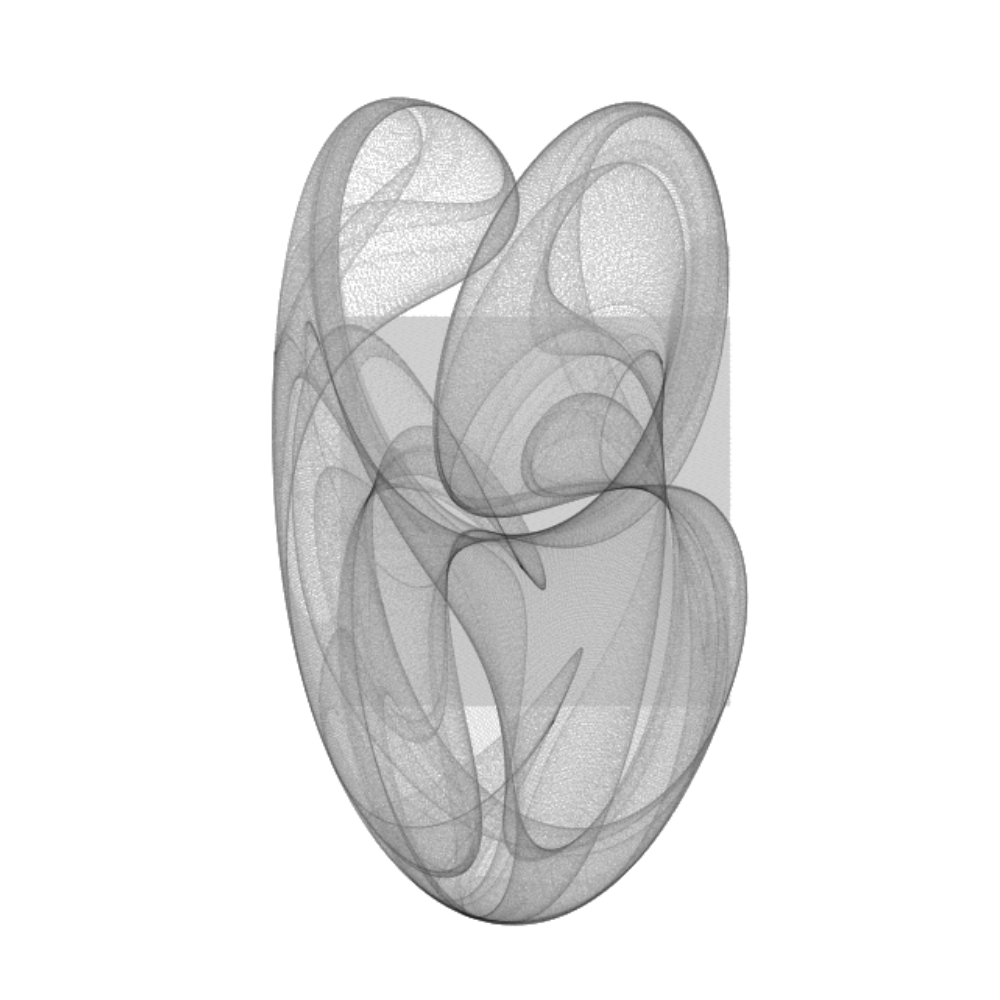
Clifford Attractor 1

Clifford Attractor 2

Clifford Attractor 3

Clifford Attractor 4

Clifford Attractor 8

Clifford Attractor 16

Clifford Attractor 32

Clifford Attractor 64

Clifford Attractor 128

Clifford Attractor Convergence #0

Clifford Attractor Convergence #1

Clifford Attractor Convergence #2

Clifford Attractor Convergence #4

Clifford Attractor Convergence #16

Clifford Attractor Convergence #17

Clifford Attractor Convergence #18

Clifford Attractor Convergence #19

Clifford Attractor Convergence #20

Clifford Attractor Convergence #16 to #100

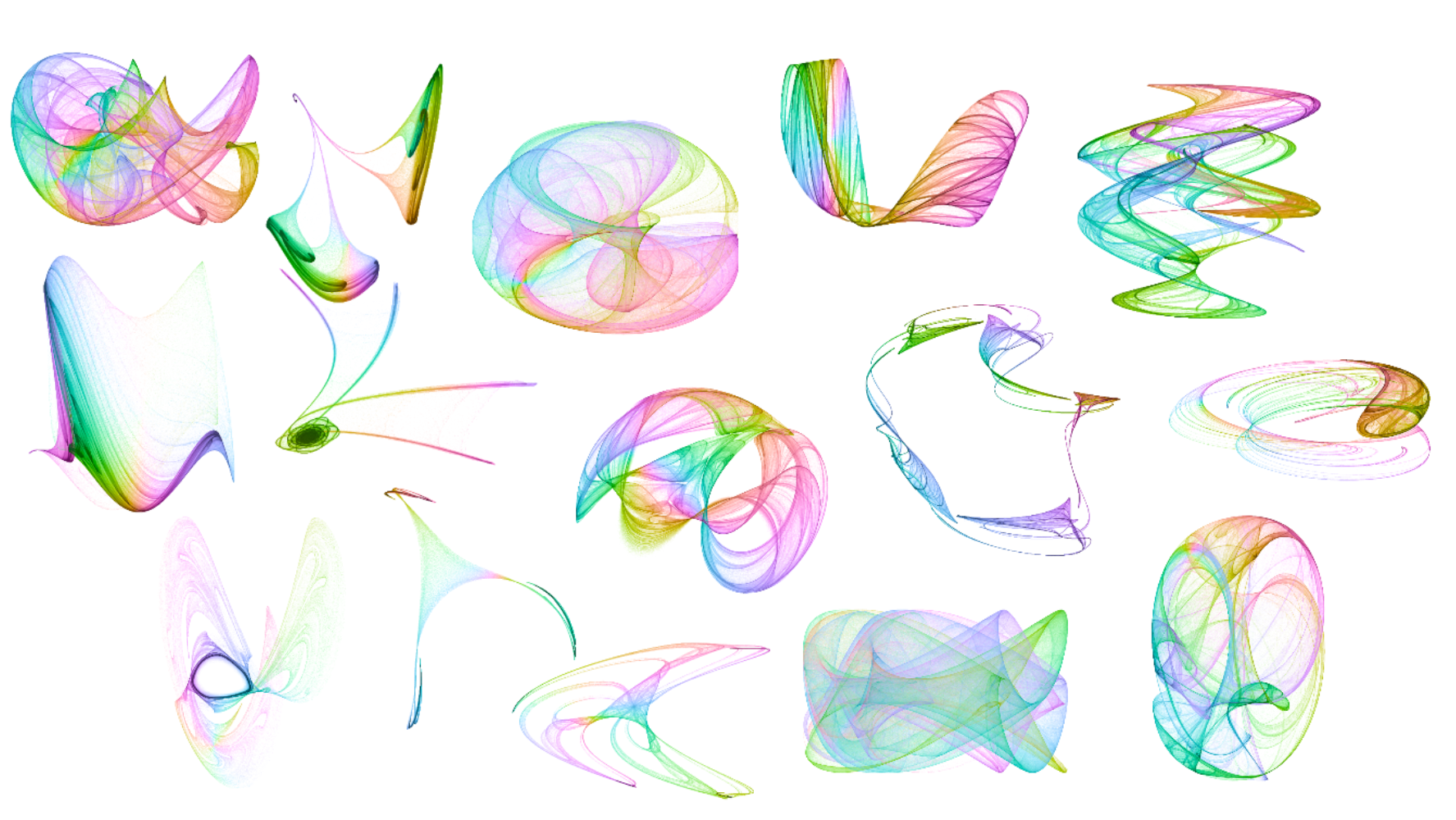
Clifford Attractor Examples 1

Clifford Attractor Examples 2

Clifford Attractor Examples 3

Clifford Attractor Examples 4

Clifford Attractor Examples 5

Clifford Attractor Examples 6

Clifford Attractor Examples 7

Making Attractor Symmetric

Making Attractor Symmetric 2

Making Attractor Symmetric 3

Making Attractor Symmetric 4

Making Attractor Symmetric 5

Making Attractor Symmetric 6

Making Attractor Symmetric 7

Transparencies

Transparencies 2

Orbifold

Let's constrain iterations to the orbifold of the symmetry group

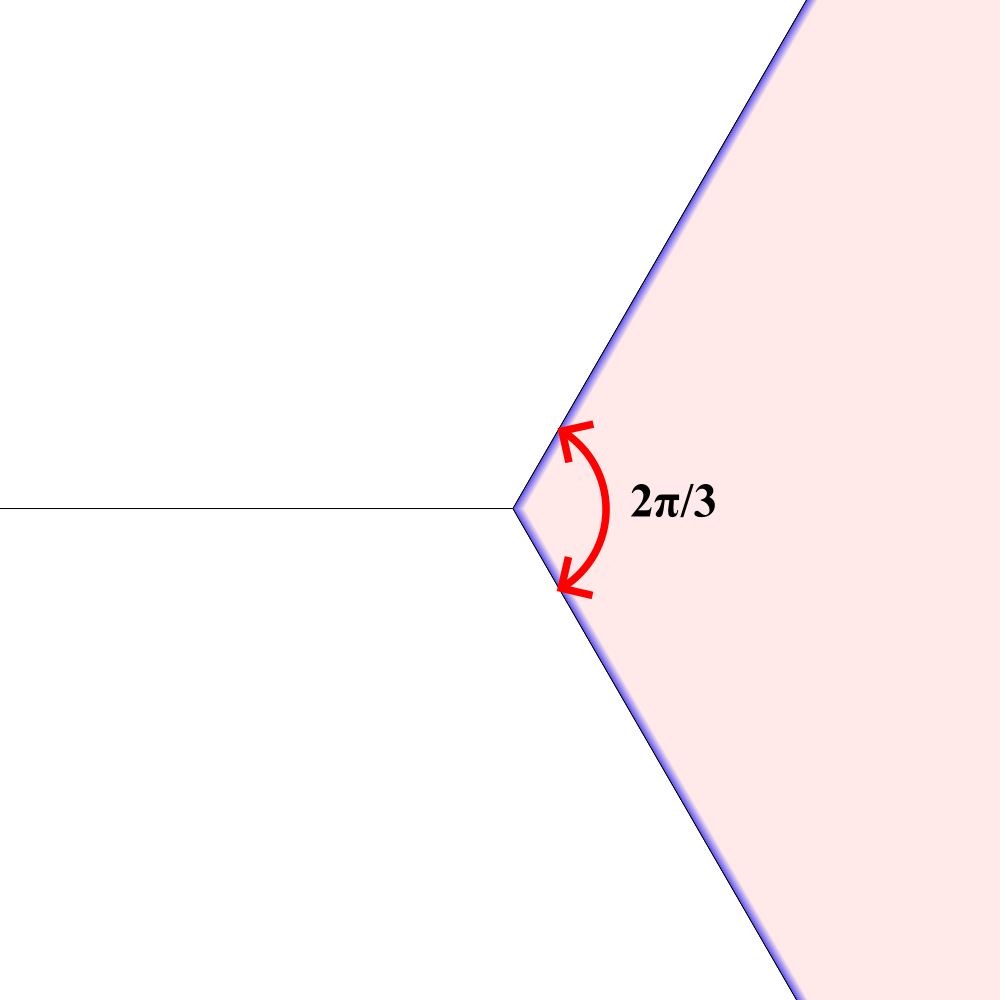
The tri-fold symmetry orbifold is the surface of an infinite cone.

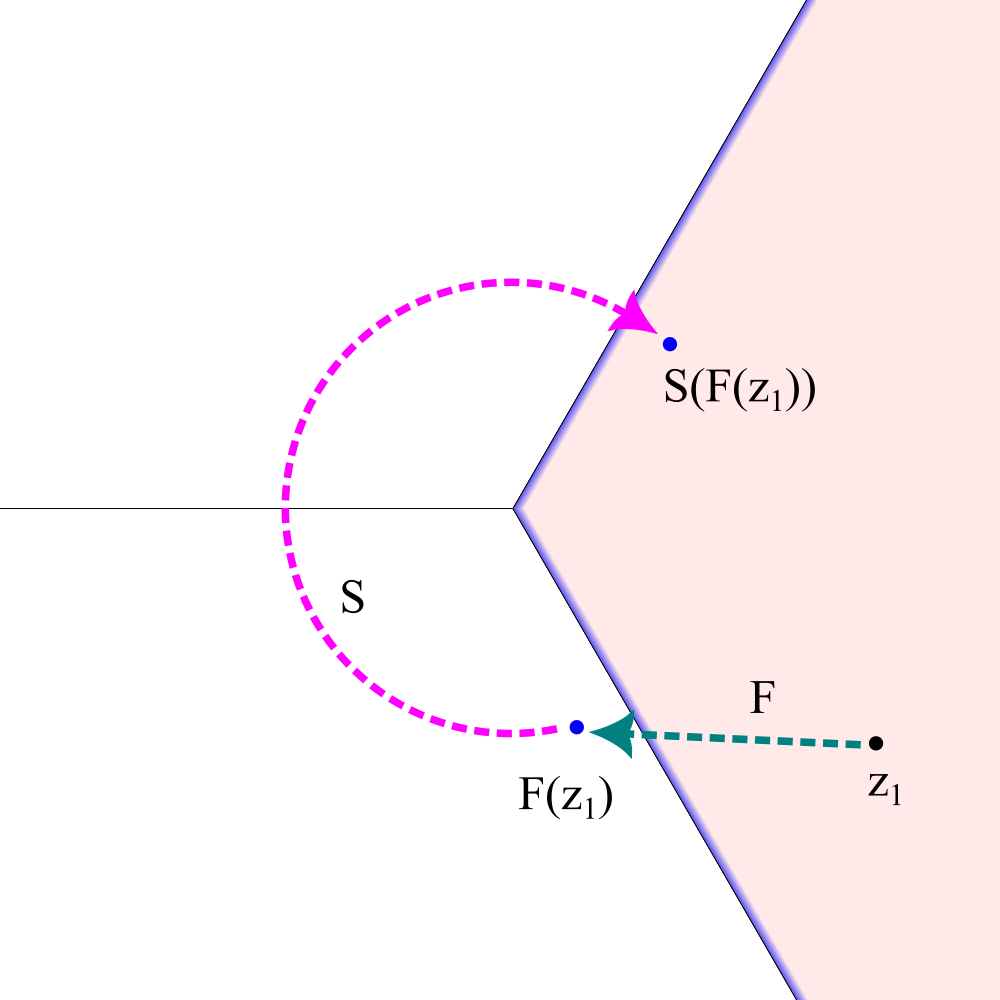
The cone surface cut along straight line becomes infinite wedge with angle `(2pi)/3` at the apex (pink region)

The copies of orbifold image tile the plane

The unfolded orbifold is also called fundamental domain
Dynamics on Orbifold

How to restrict iterations to the orbifold interior?

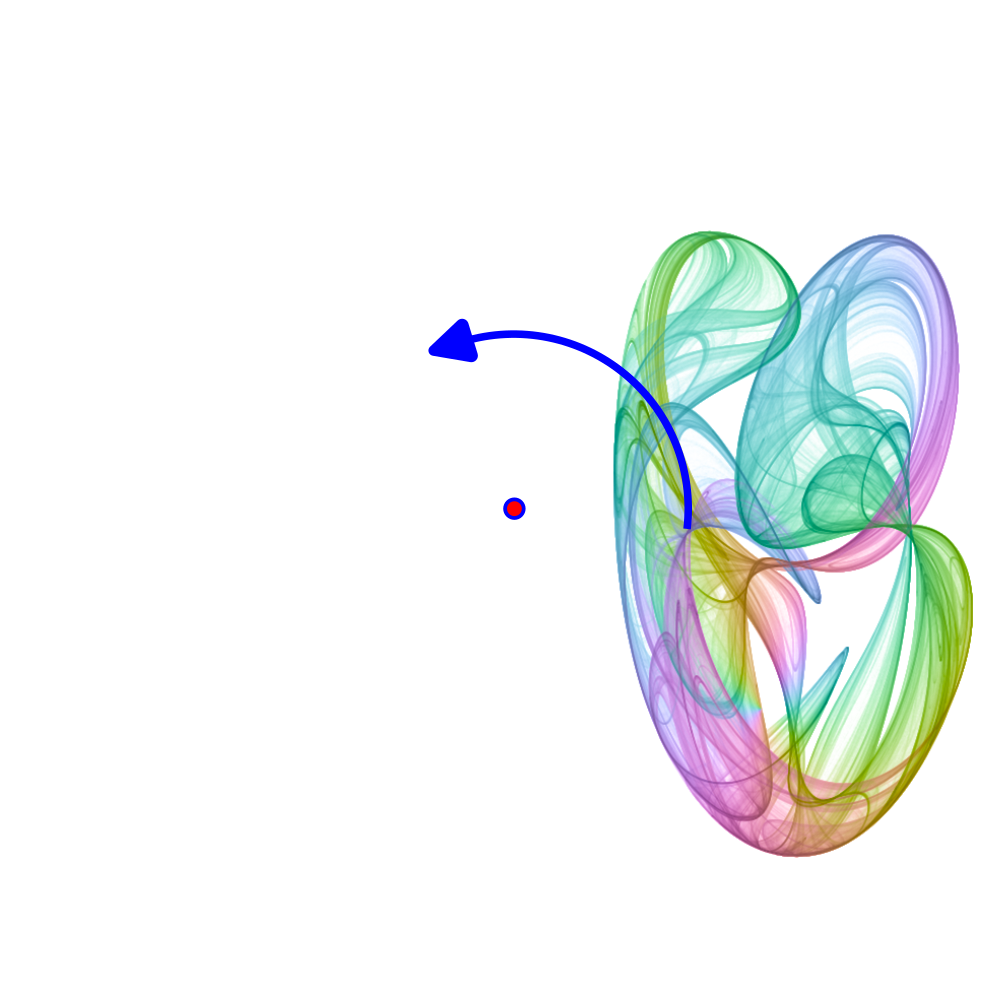
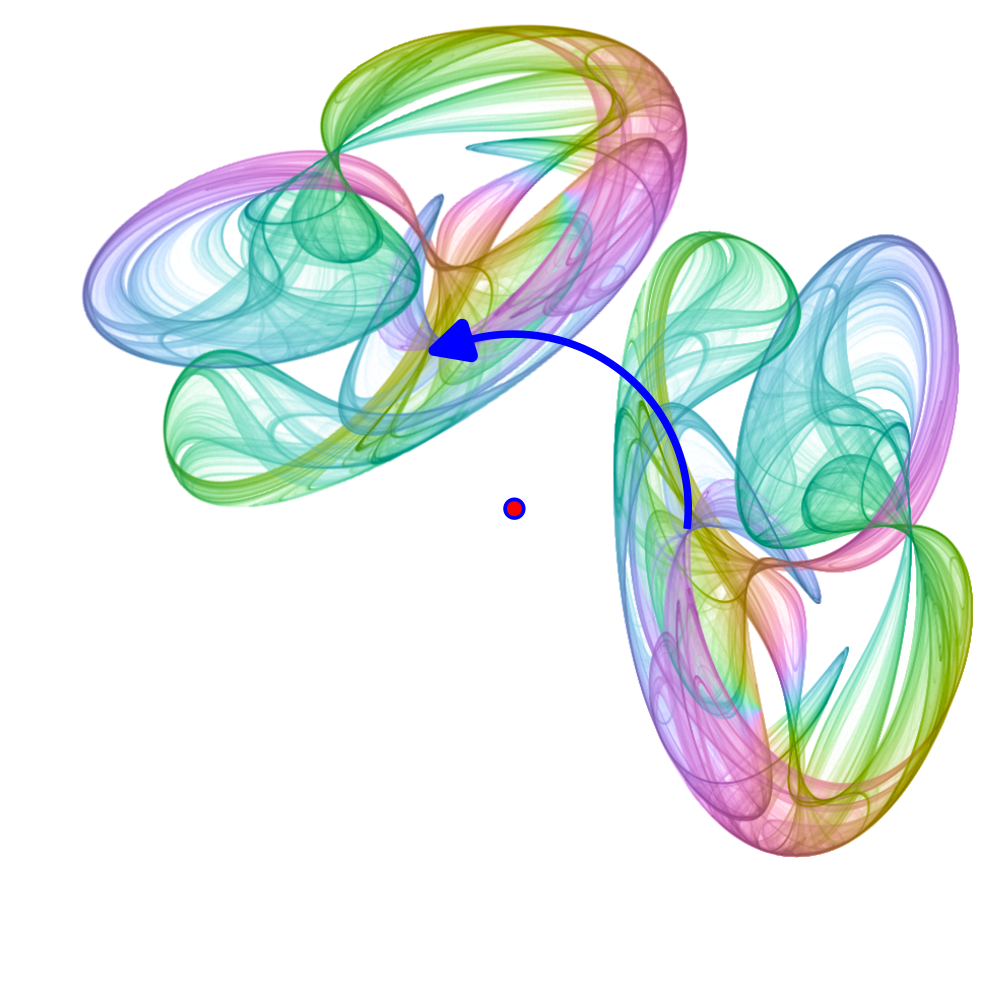
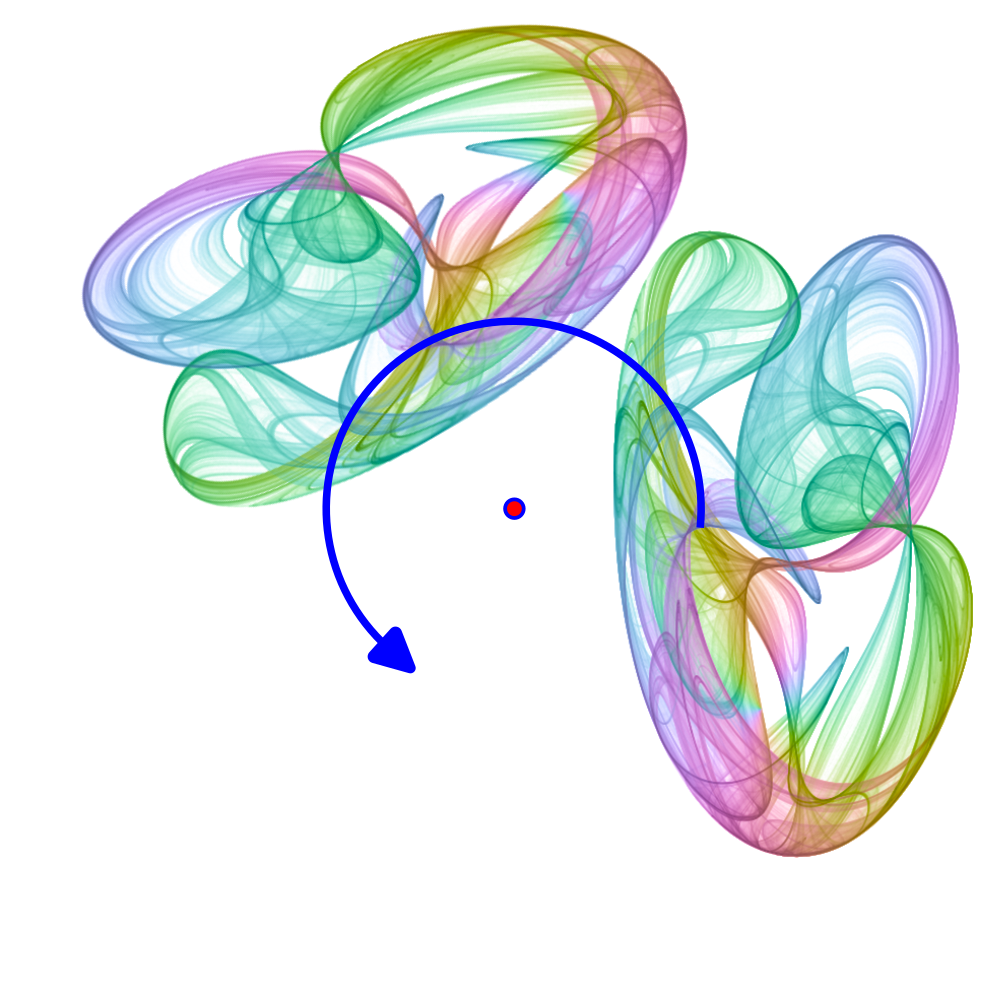
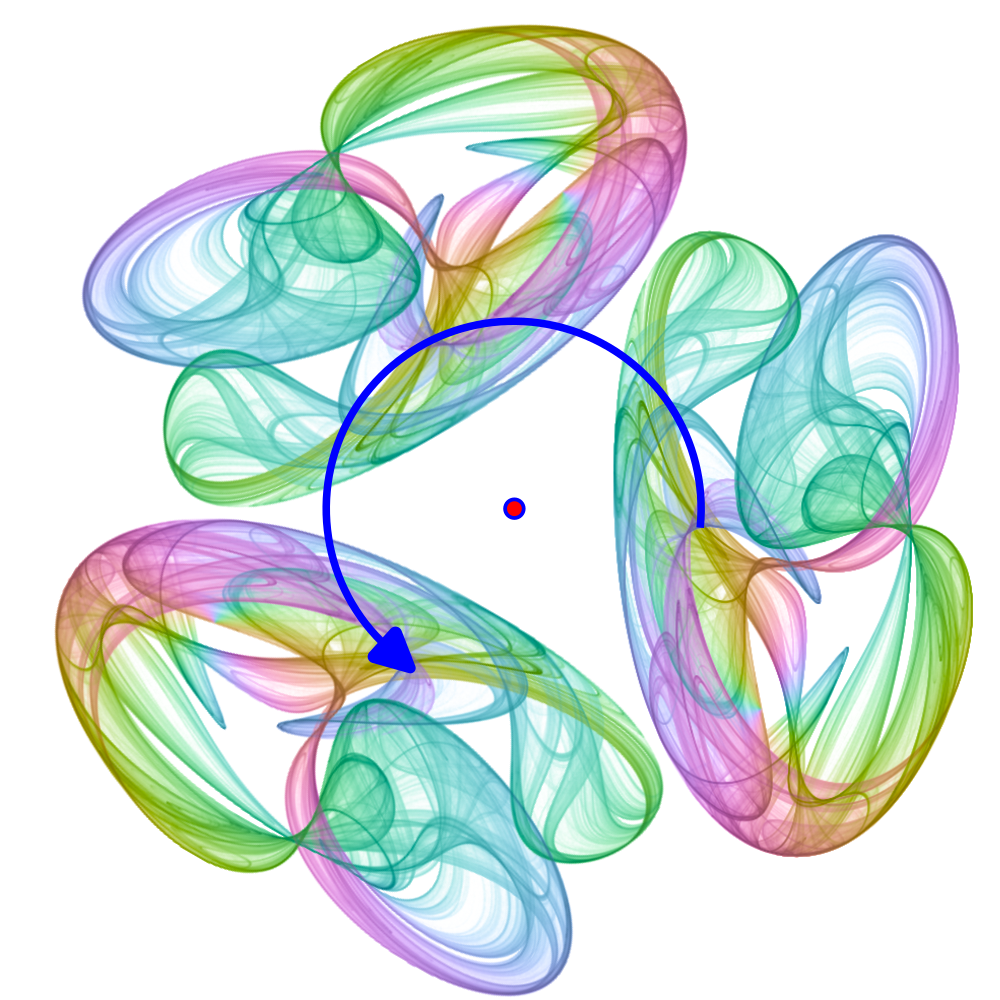
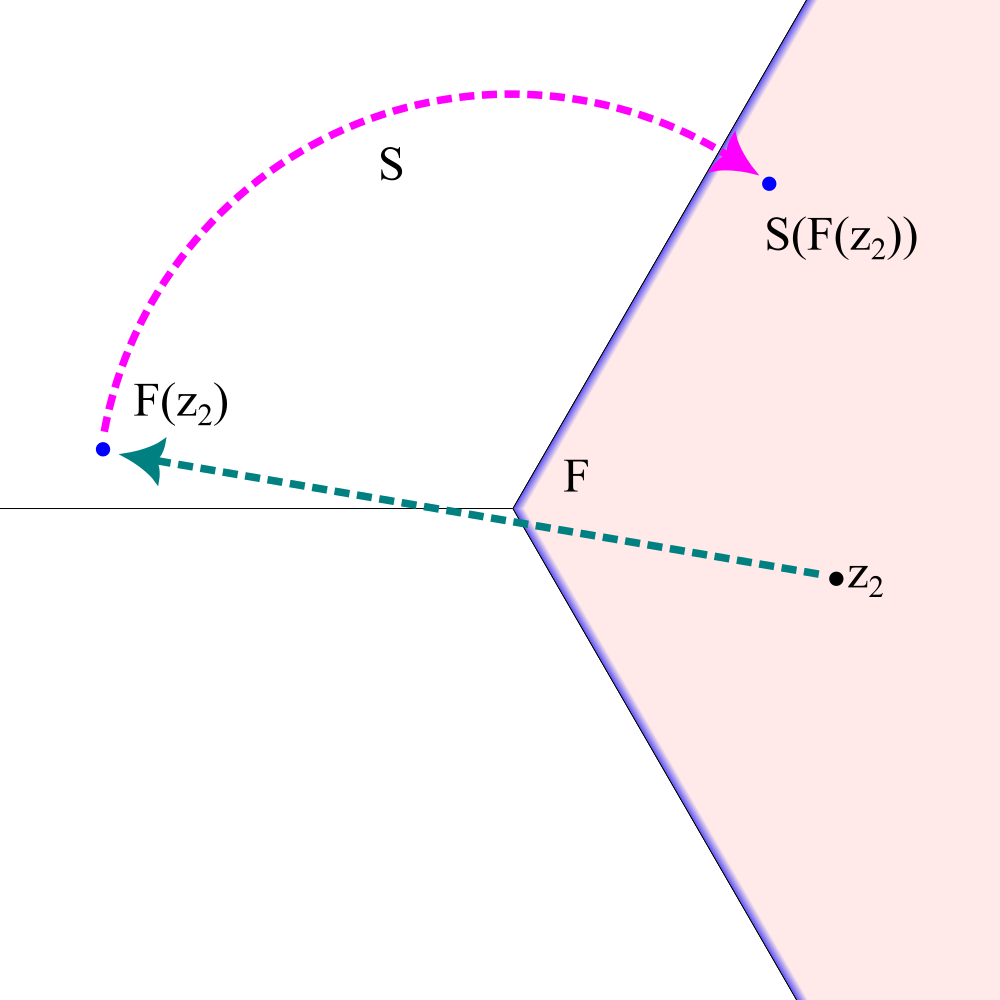
Symmertization `S(z)` moves any point on the plane into the corresponding point in the interior of the fundamental domain.

In this case it is clockwise rotation `(4pi)/3`.
Dynamics on Orbifold 2

How to restrict iterations to the orbifold interior?

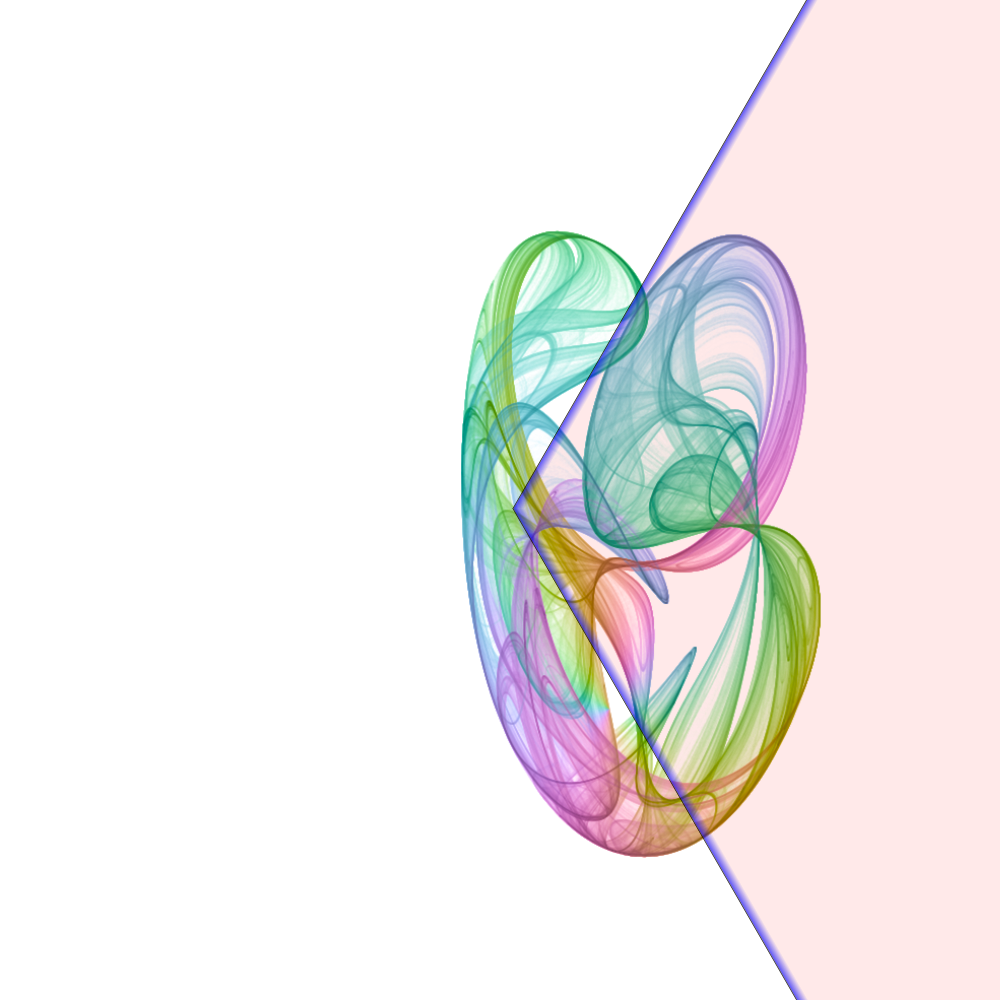
Symmertization `S(z)` moves any point on the plane into the corresponding point in the interior of the fundamental domain.

In this case it is clockwise rotation `(2pi)/3`.
Dynamics on Orbifold 3

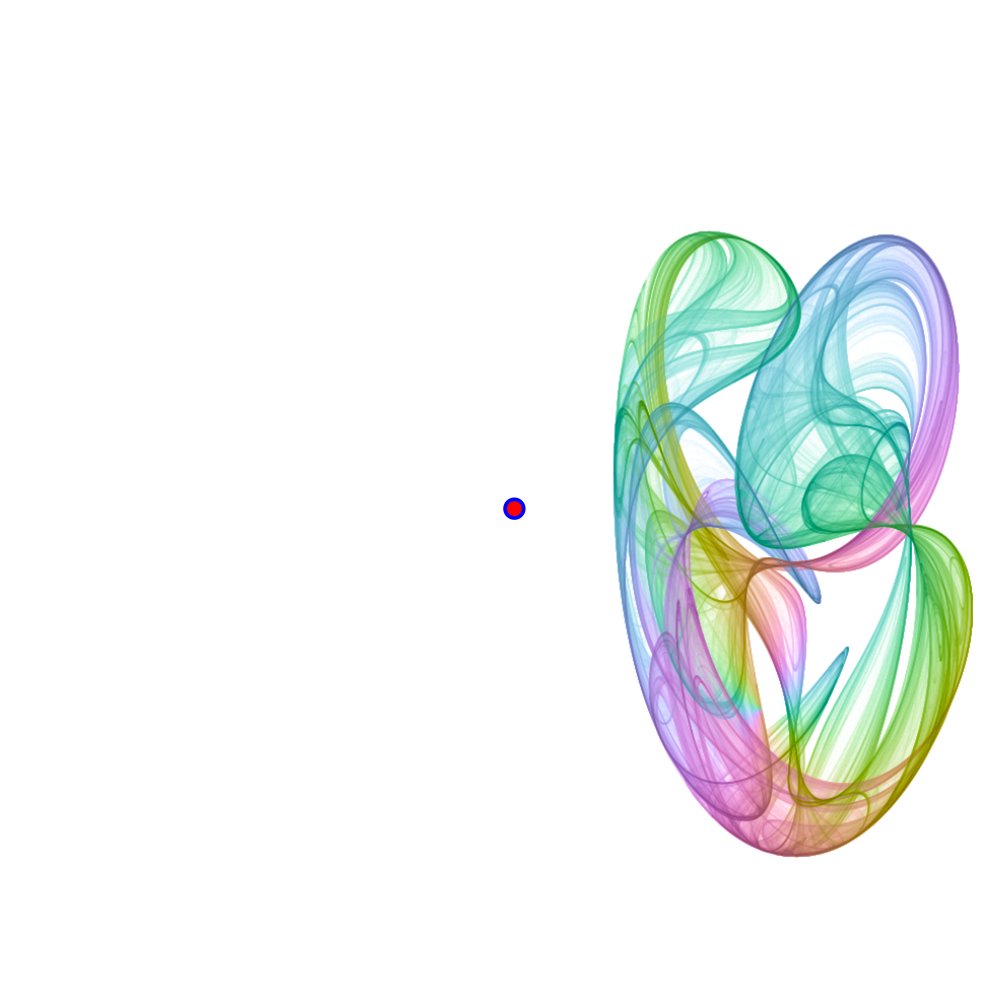
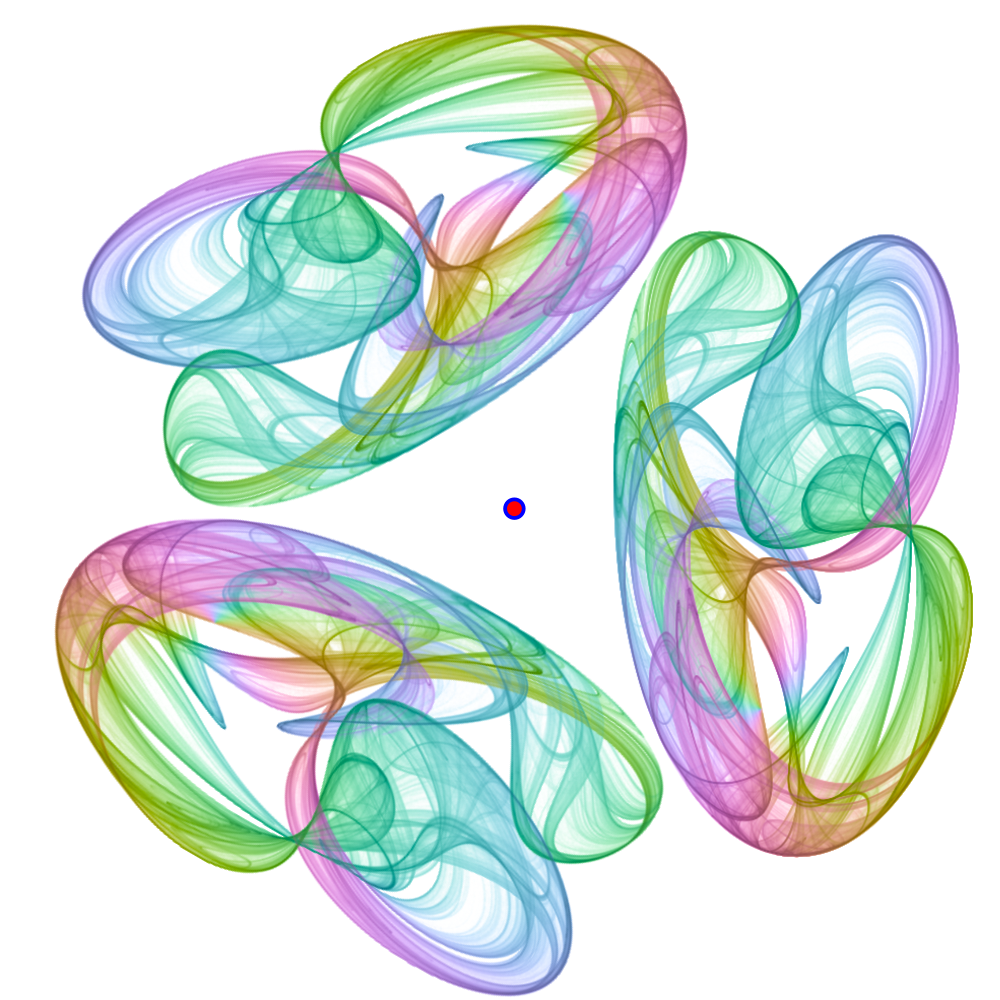
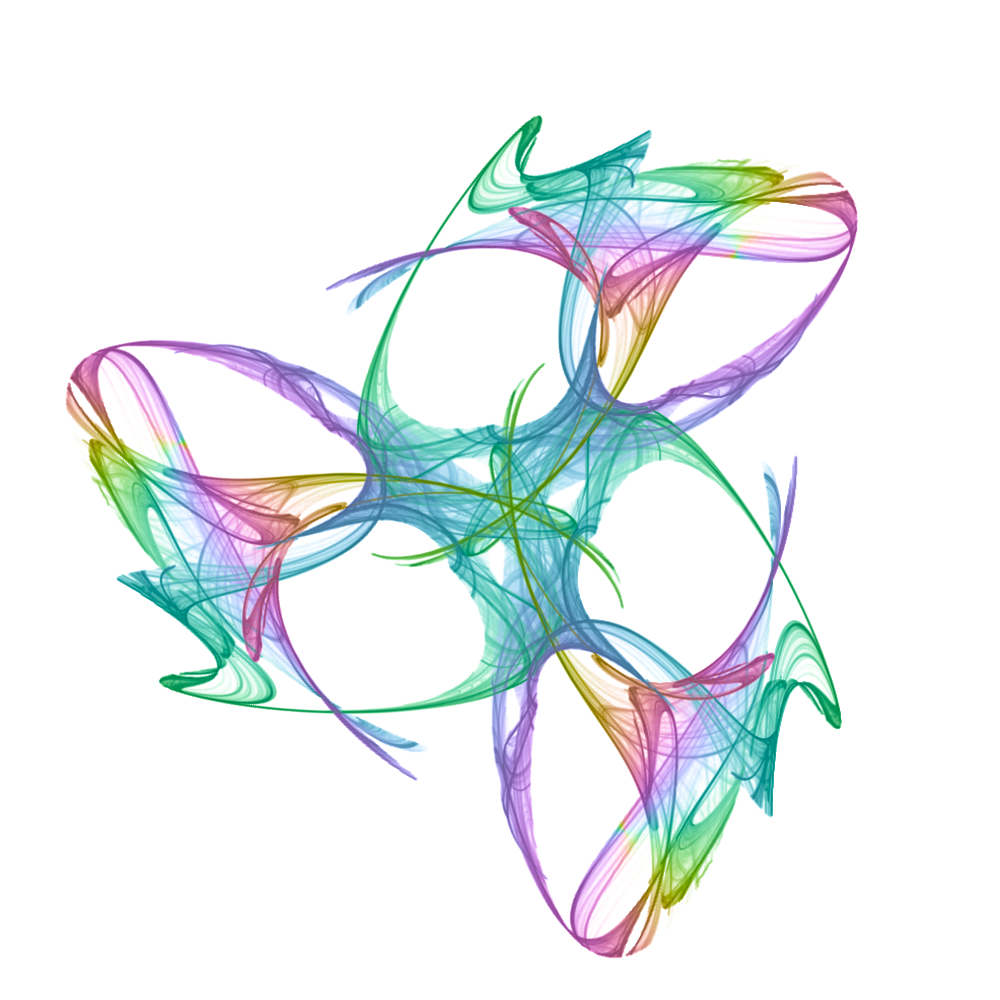
Original attractor without symmetrization
Dynamics on Orbifold 4

Dynamics on Orbifold 5

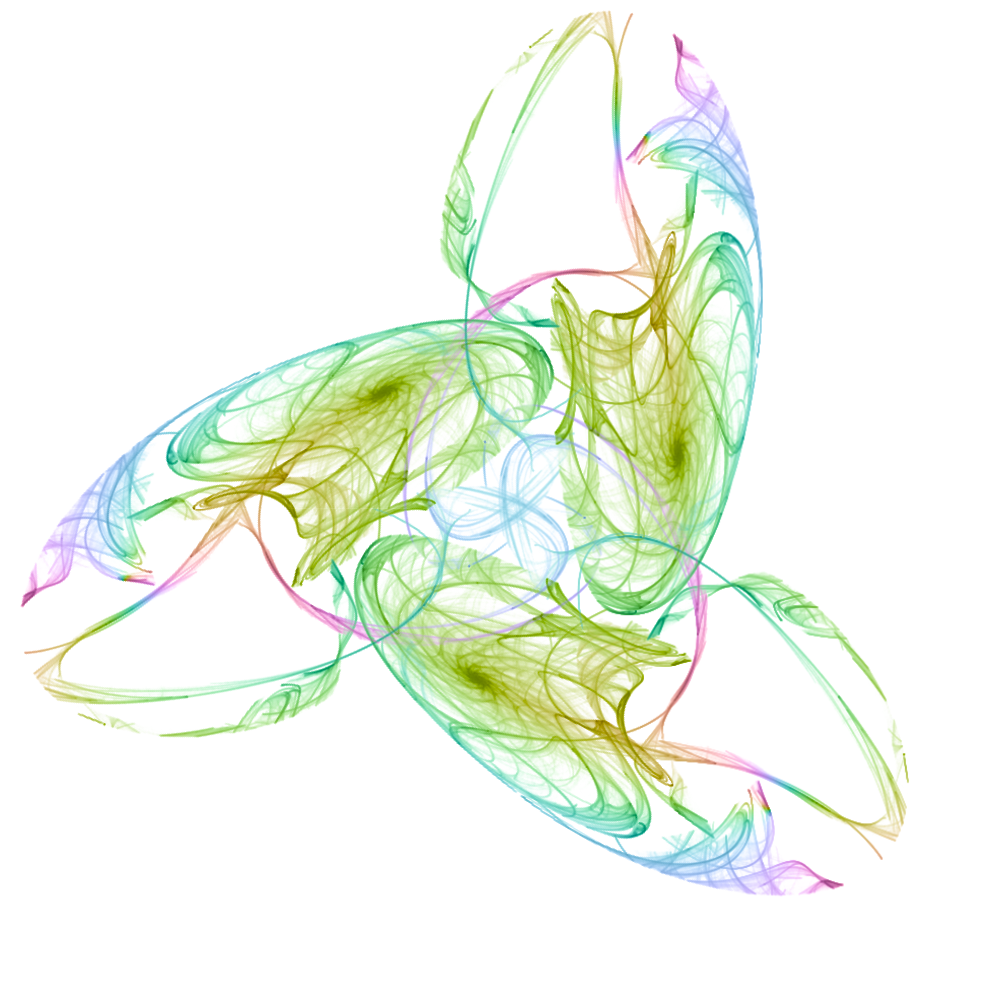
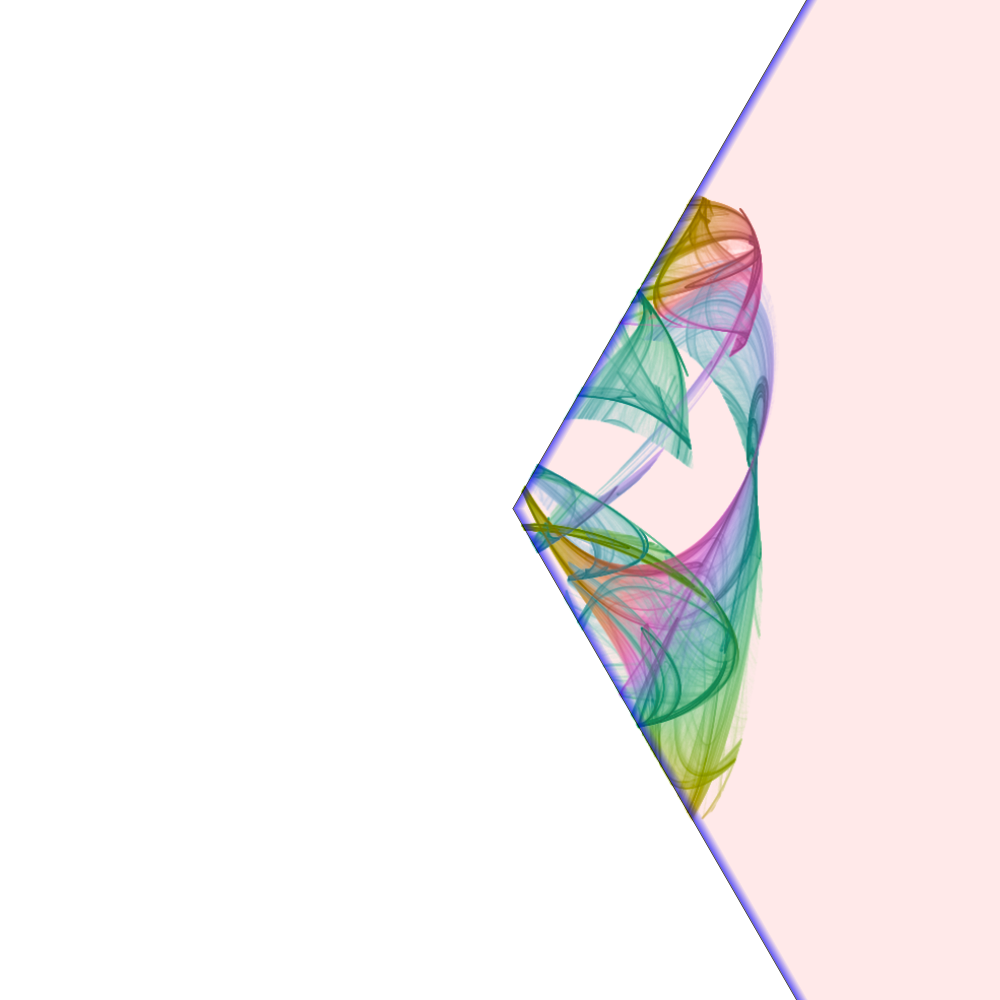
The new attractor in the fundamental domain is abruptly cut on the the boundary of the fundamental domain.

Is it?
Dynamics on Orbifold 7

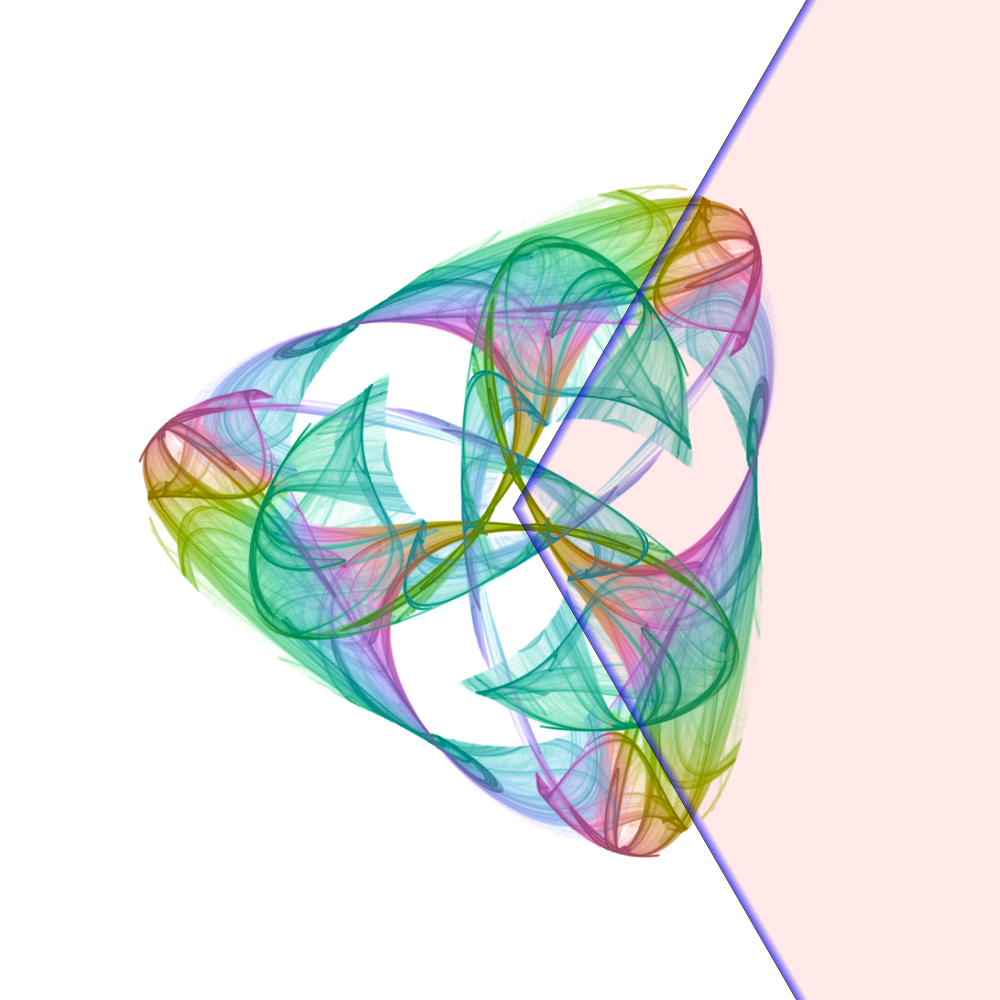
The new attractor in the fundamental domain is abruptly cut on the boundary of the fundamental domain.

Is it?

It's not!

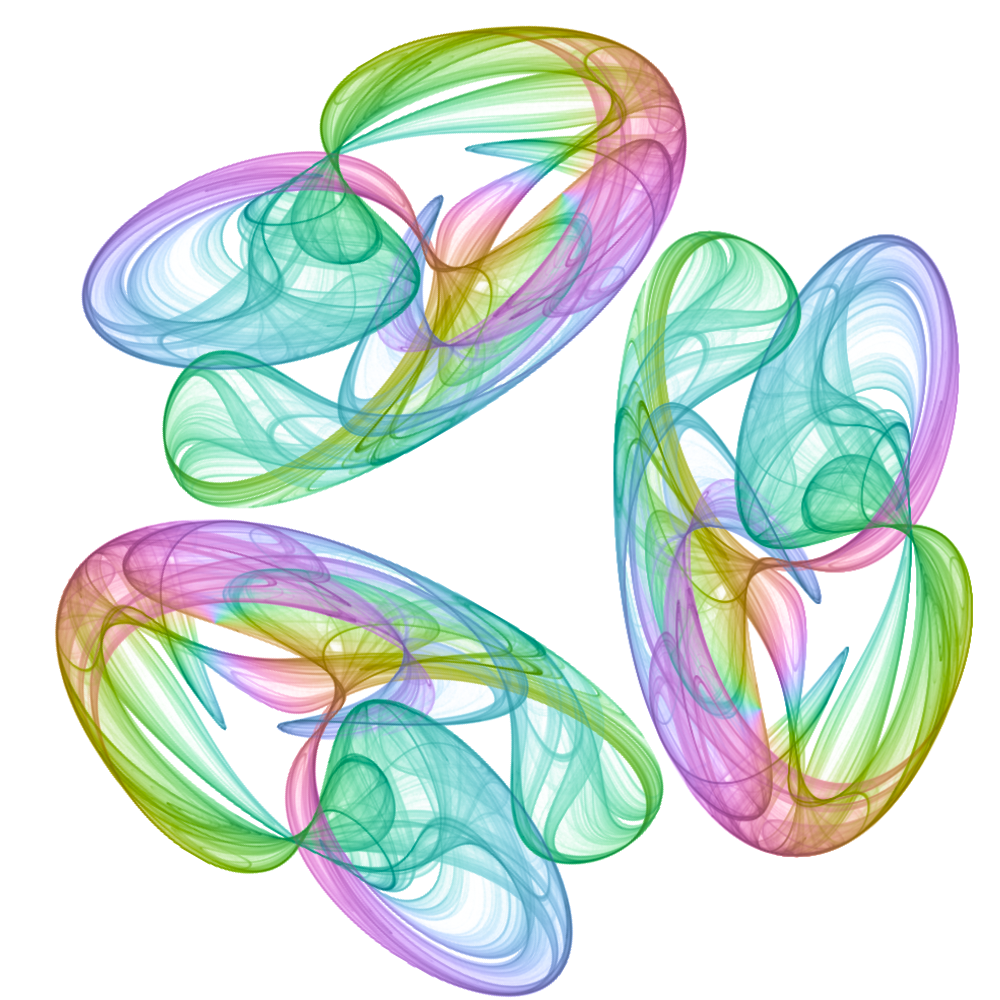
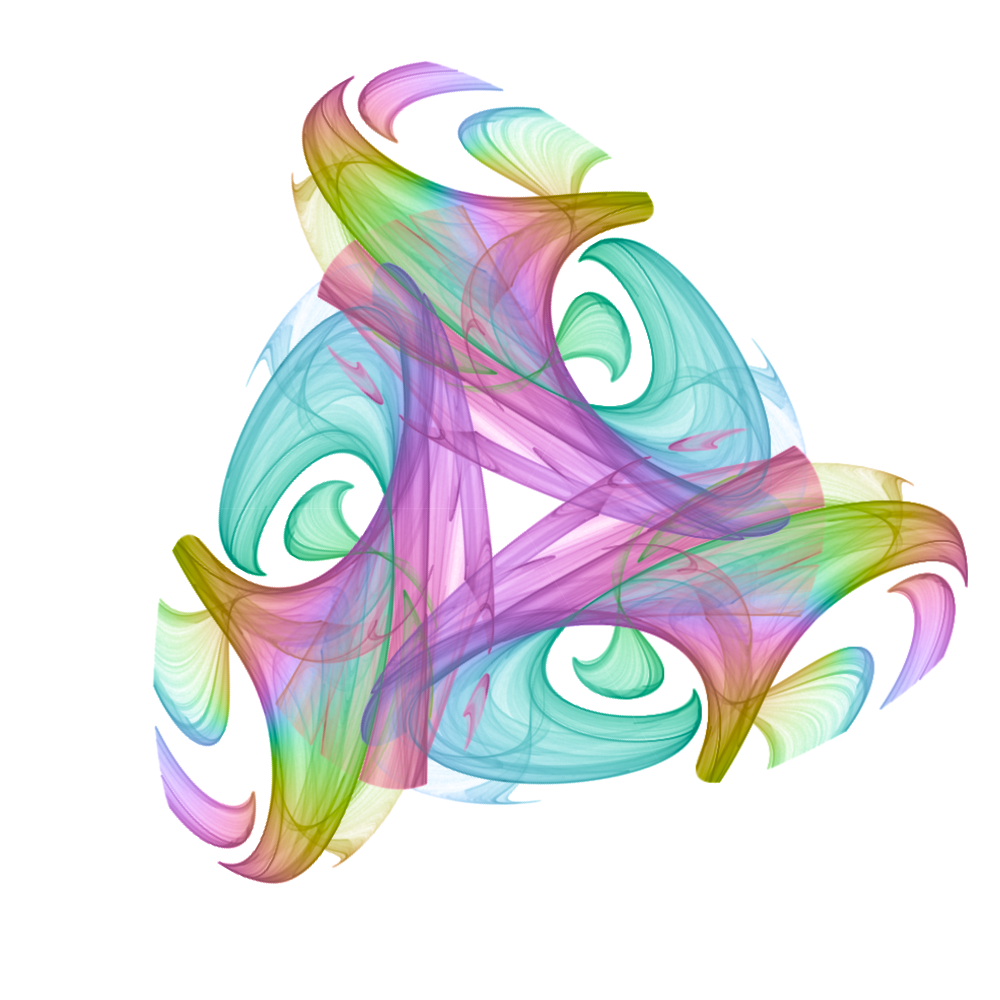
After we tile the plane with the images of the fundamental domain the attractor is perfectly continuous and smooth!
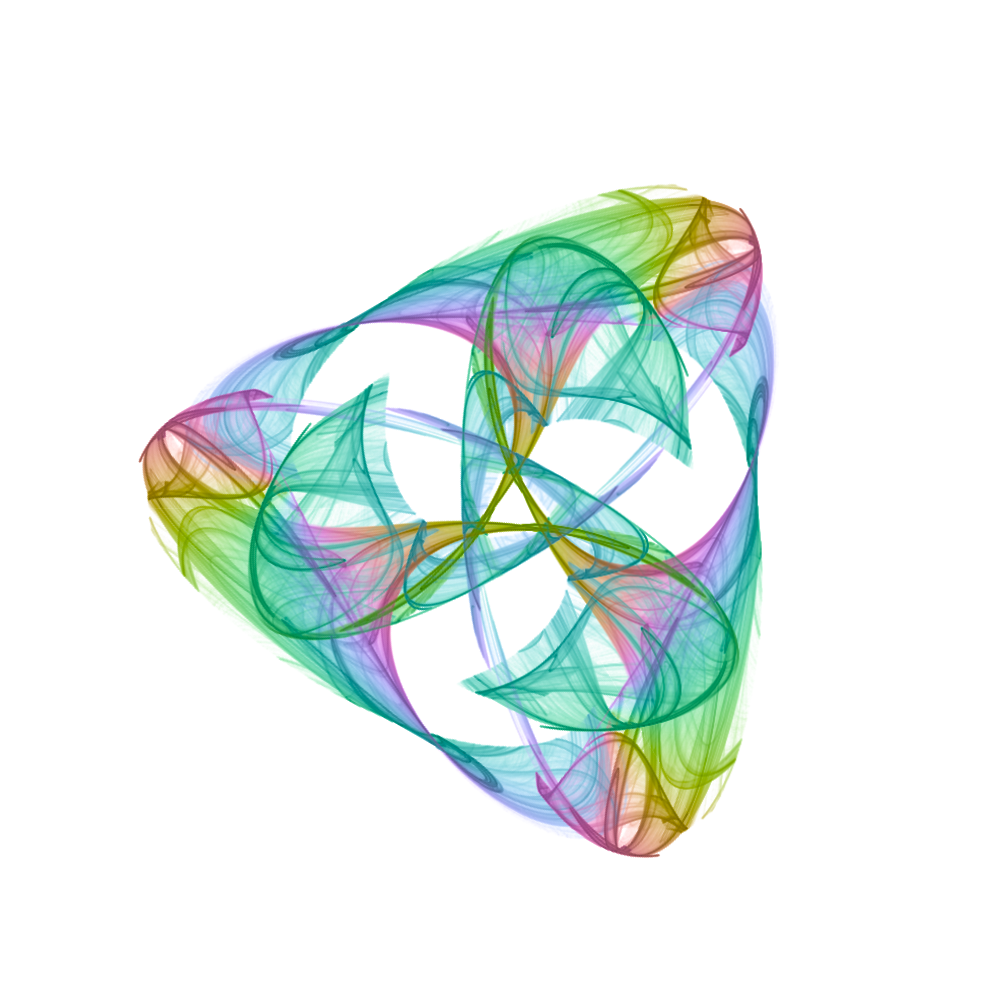
Dynamics on Orbifold 8

The attractor is perfectly continuous and smooth!

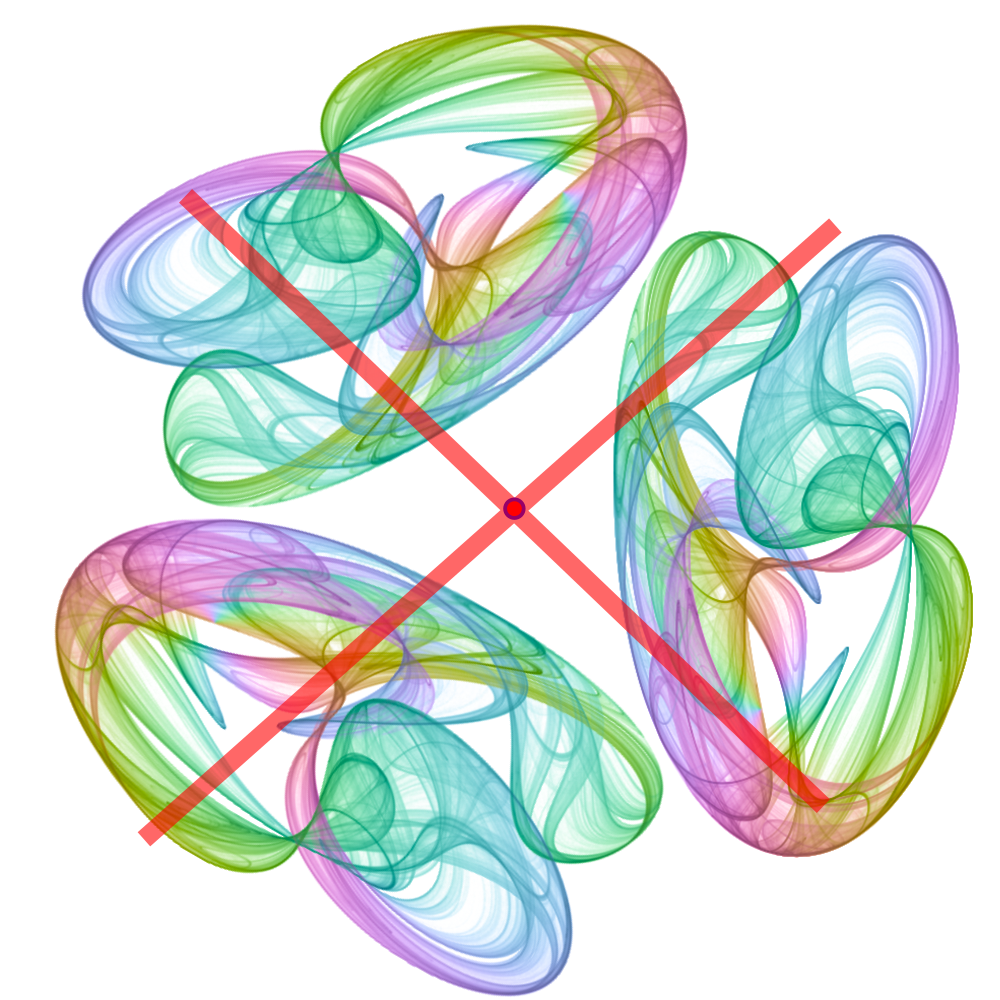
It is impossible to locate the former boundaries of the fundamental domain!

It is visual proof that the orbifold of tri-fold symmetry (the cone) has no boundary.

The places where we've cut the surface of the cone is completely arbitrary.
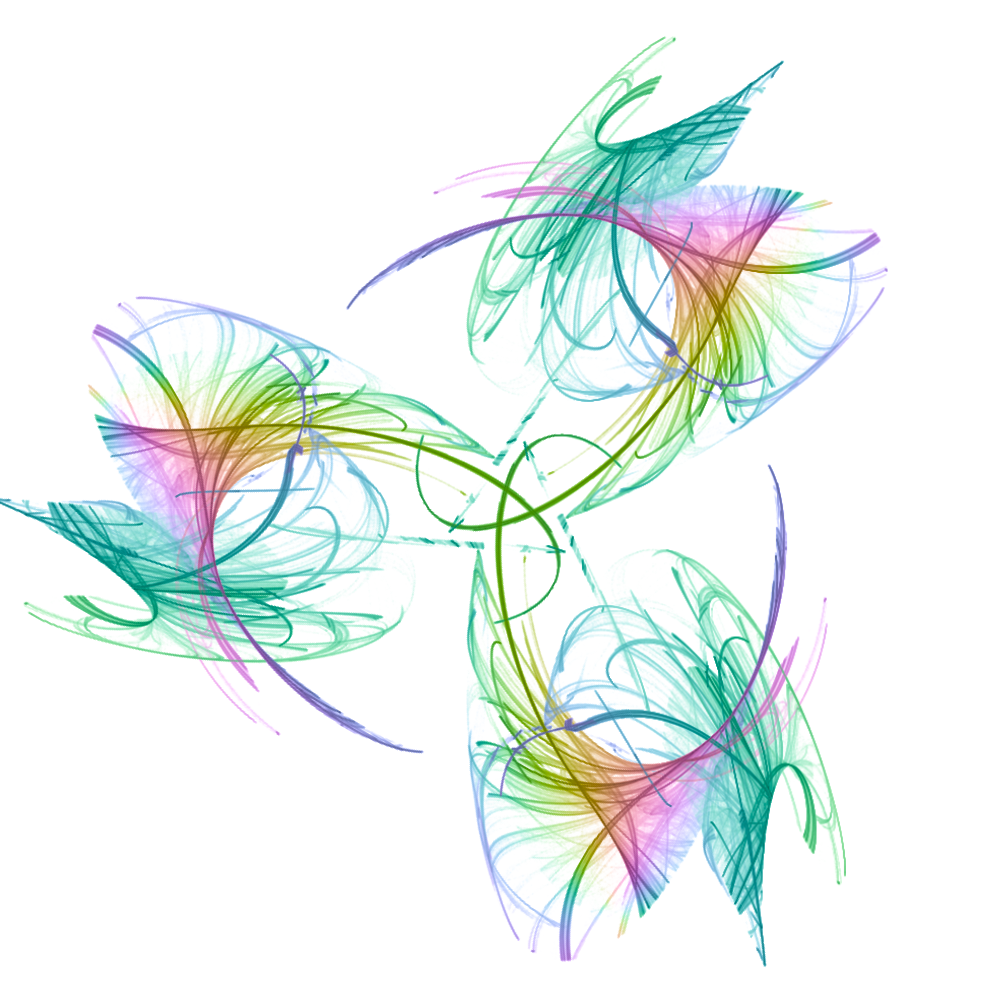
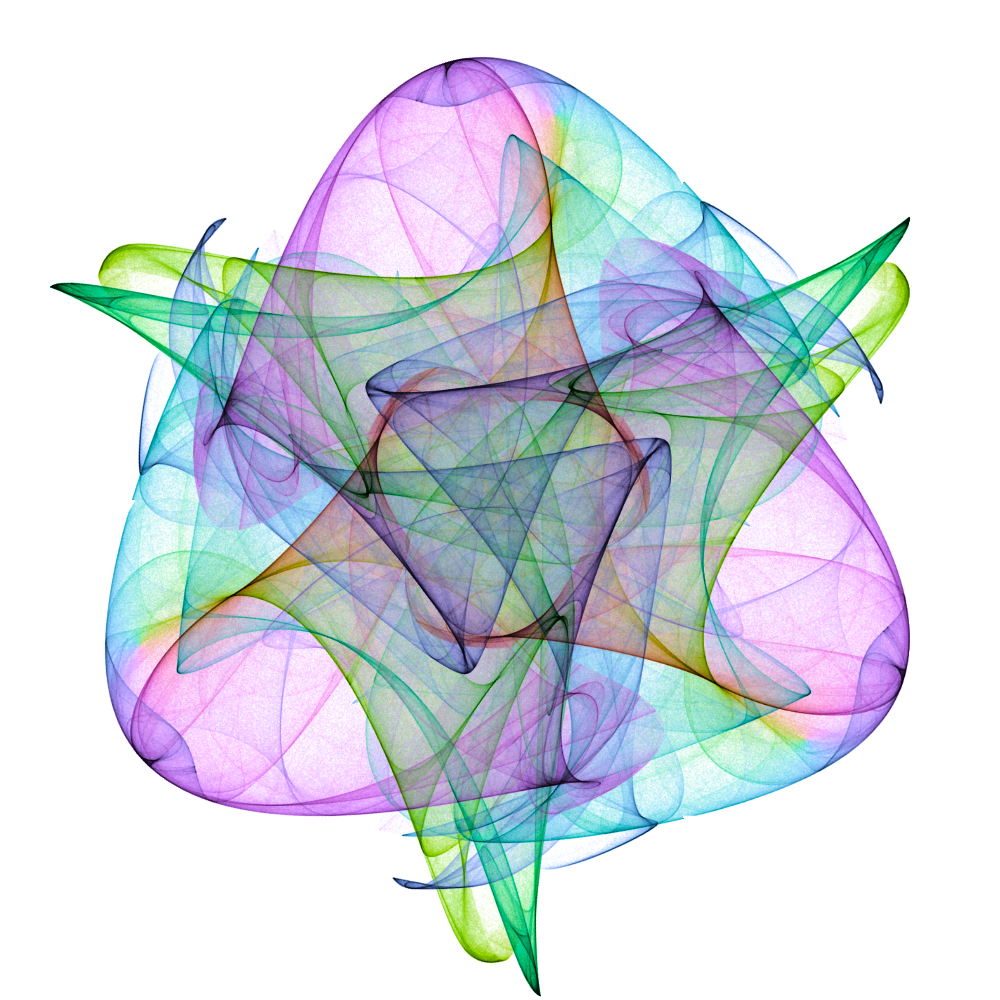
Example: Rosette symmetry 3

Example: Rosette symmetry 3

Example: Rosette symmetry 3

Example: Rosette symmetry 3

Example: Rosette symmetry 3

Example: Rosette symmetry 4

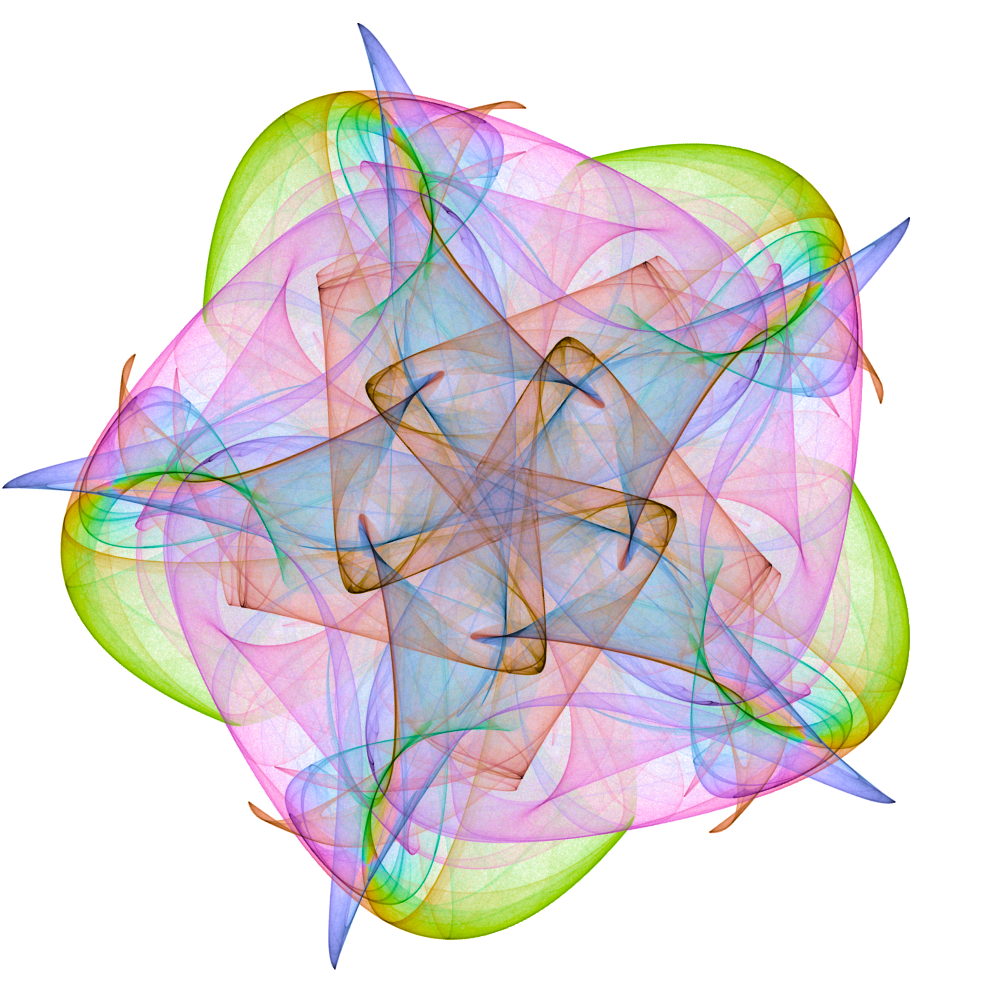
Example: Rosette symmetry 5

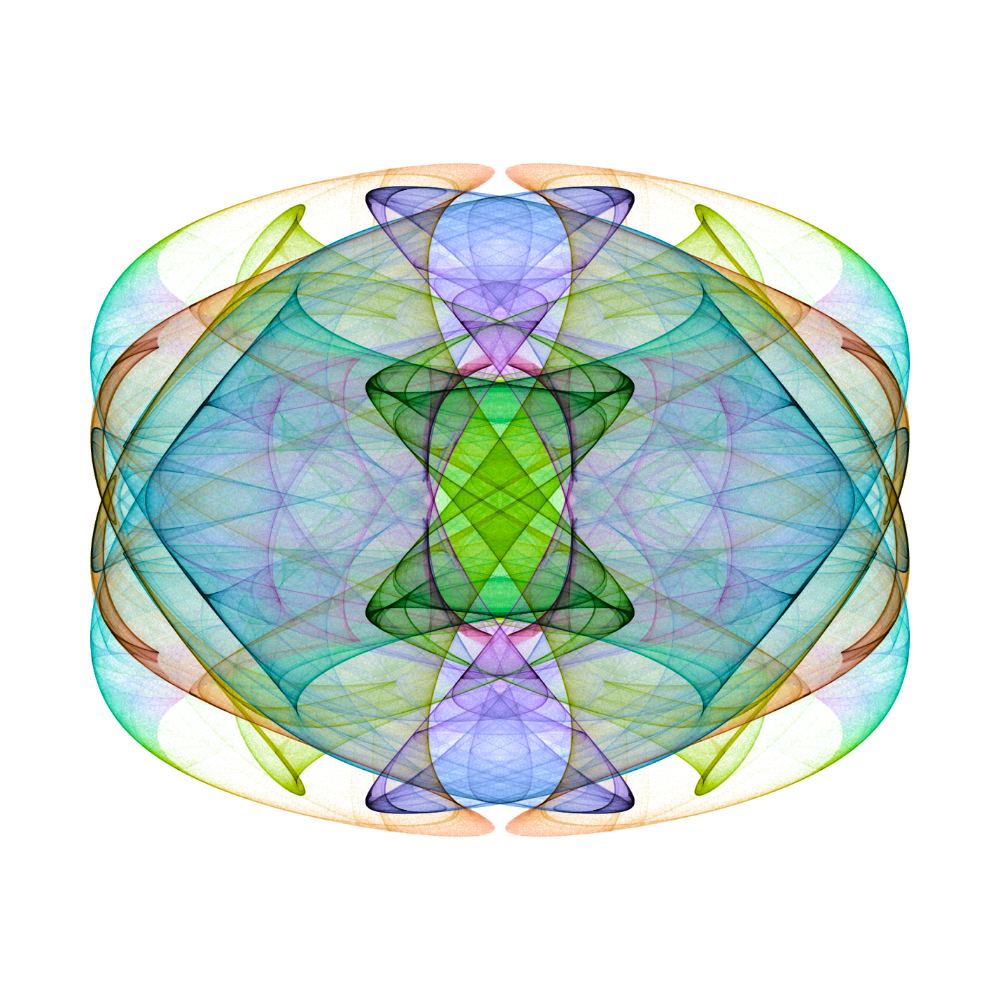
Example: Rosette symmetry *2

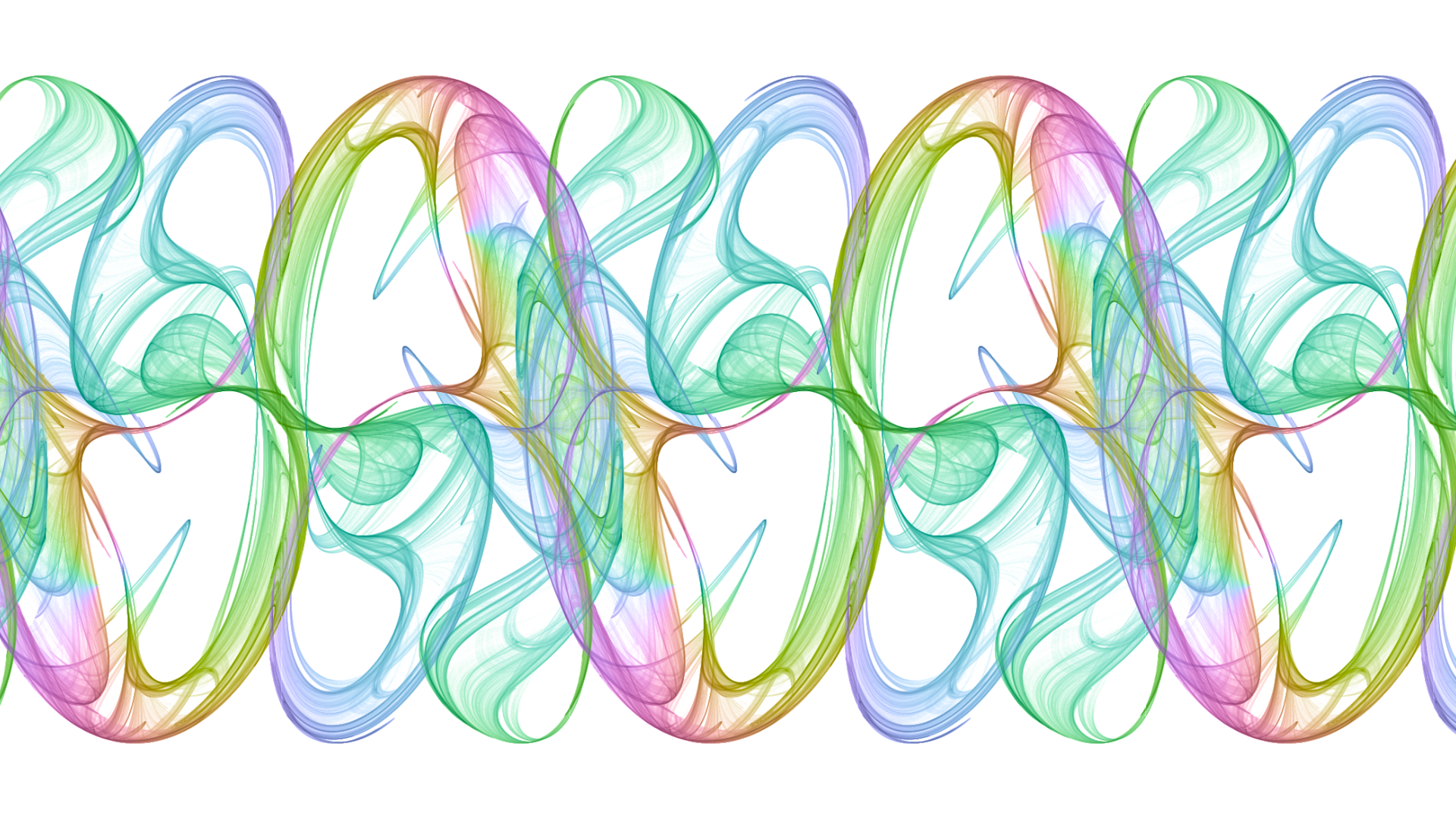
Example: Frieze symmetry 22∞

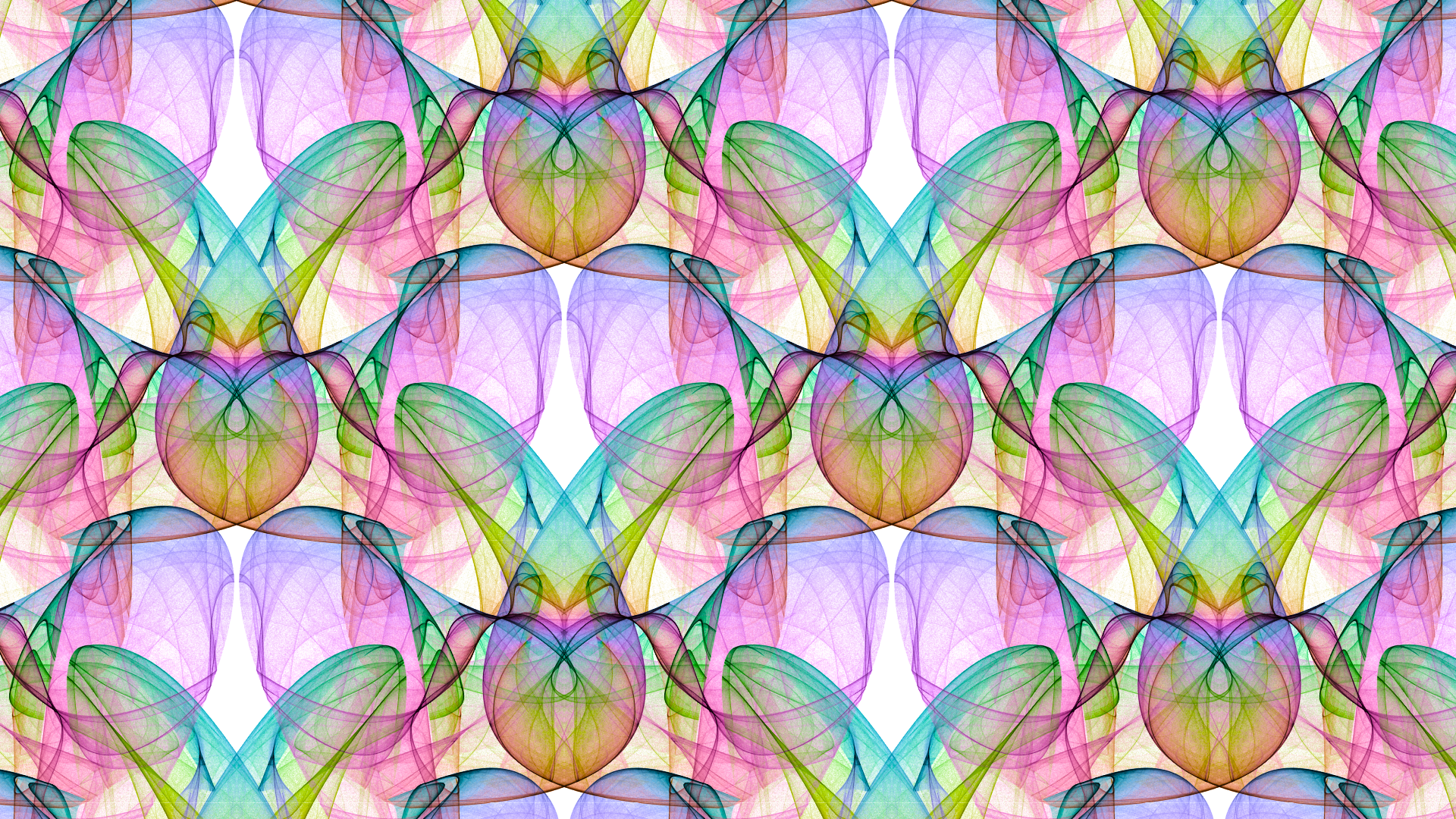
Example: Wallpaper symmetry *X

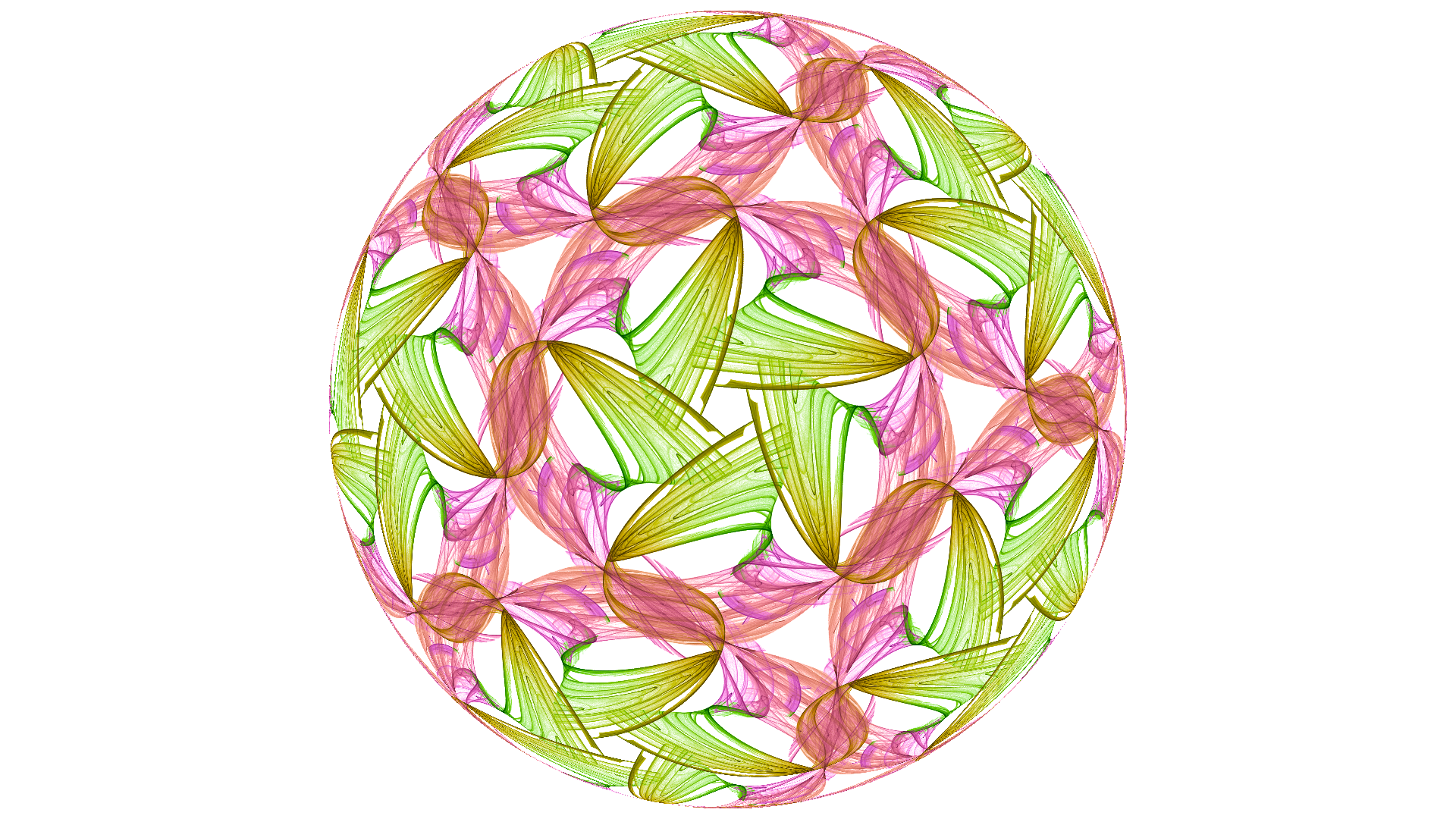
Example: Sphercal symmetry 235

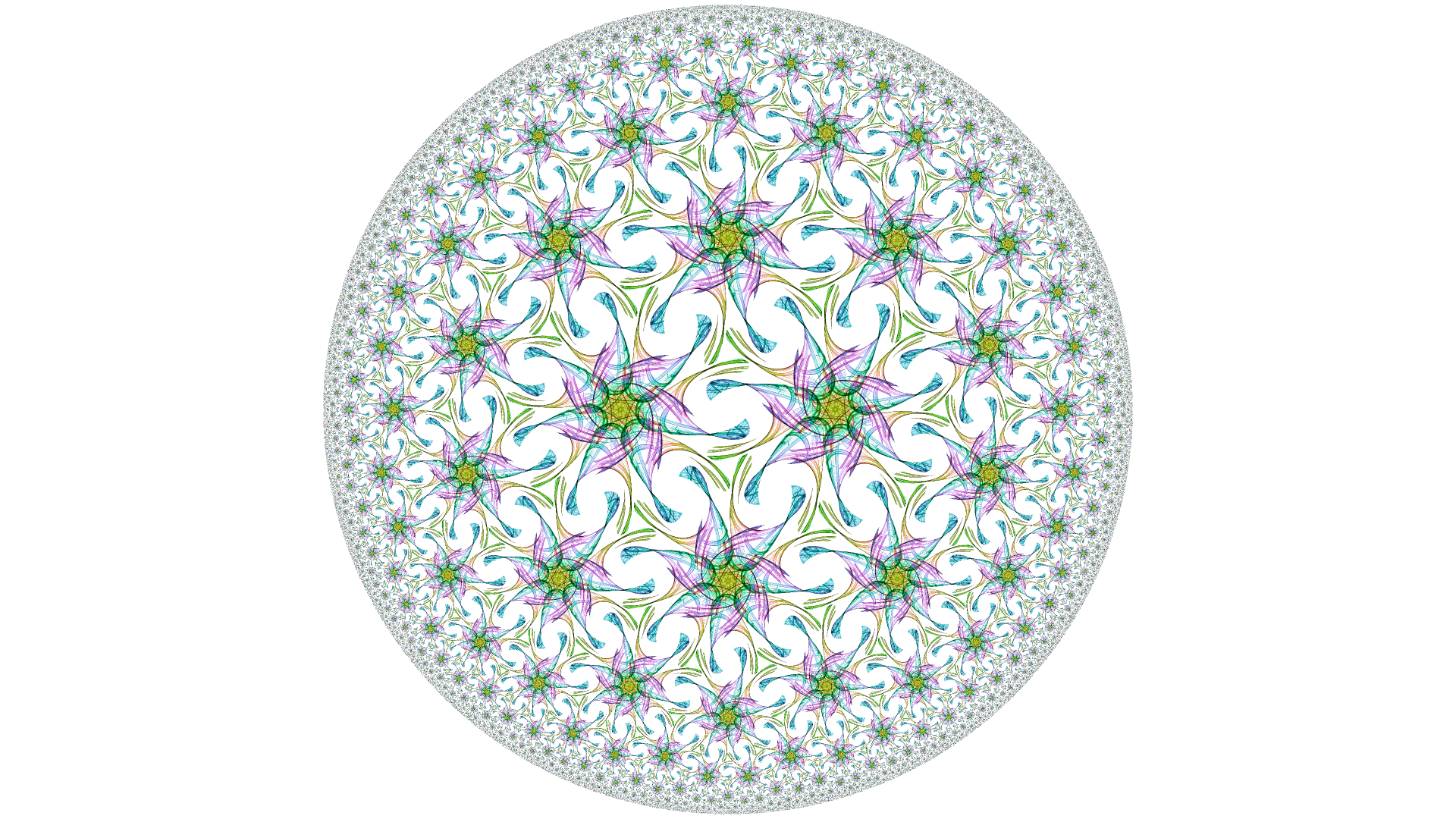
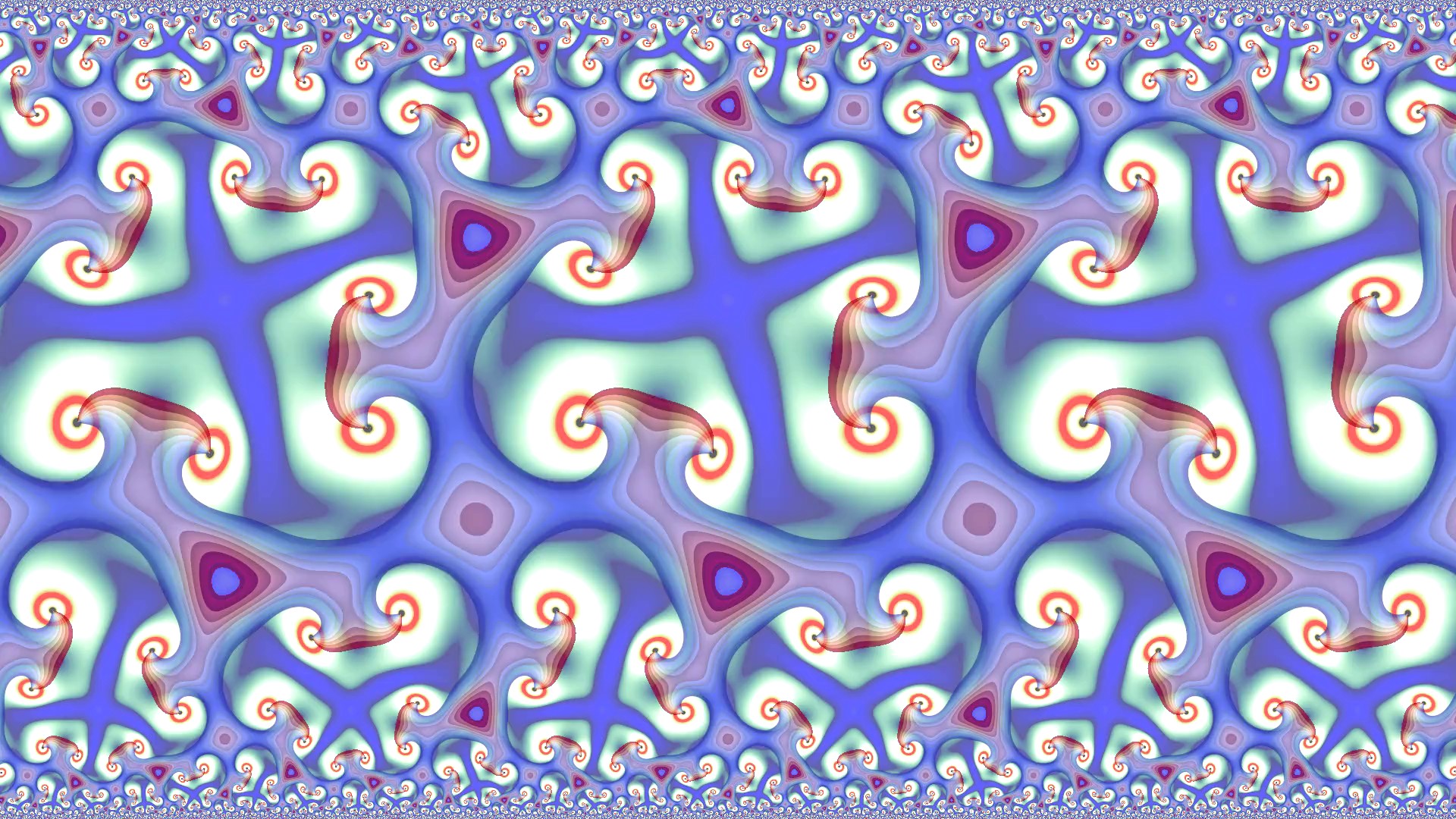
Example: Hyperbolic symmetry 237, circle model

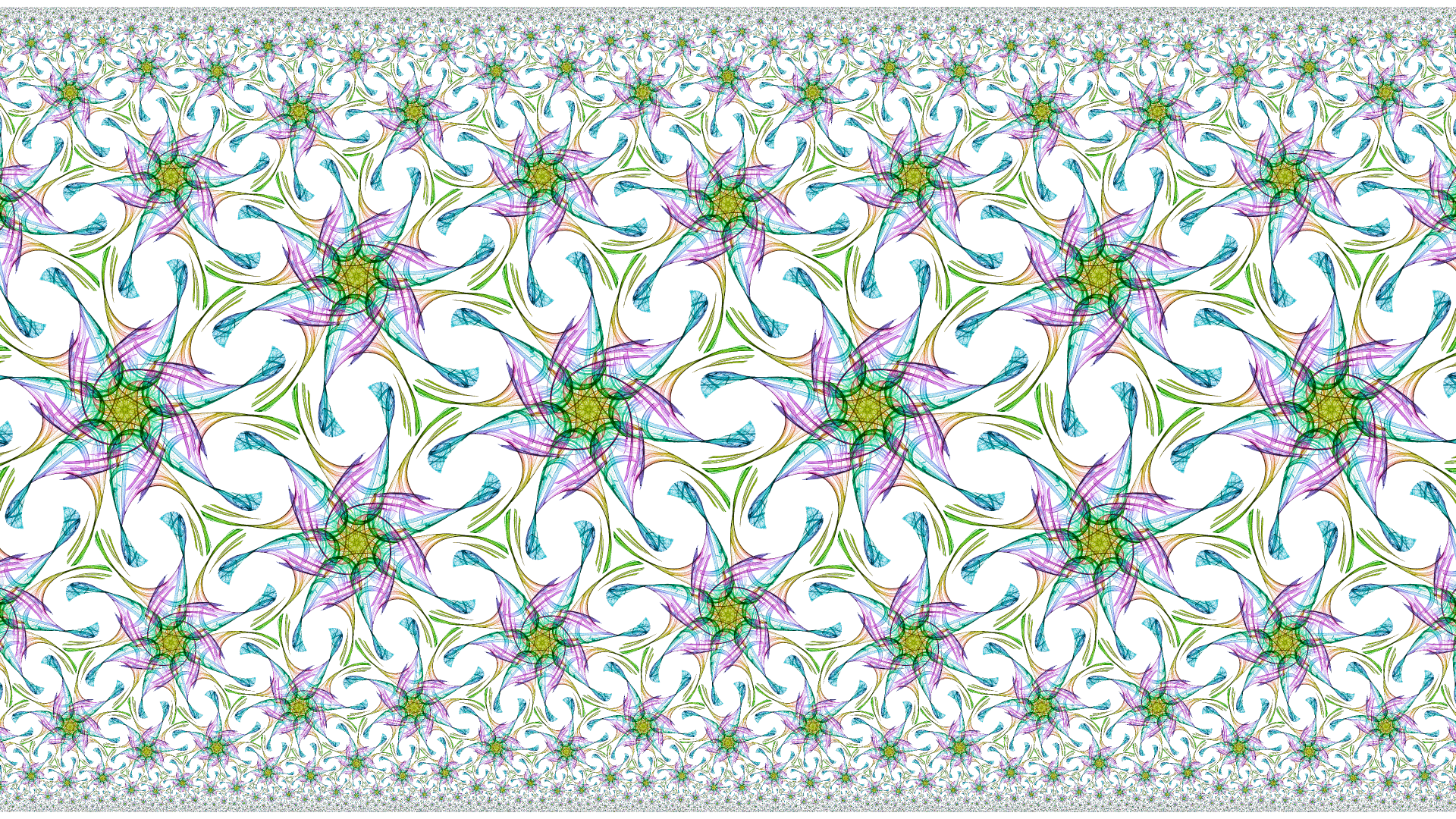
Example: Hyperbolic symmetry 237, band model

video 1

video 2

video 3

video 4

The Tool: SymmHub

Looking for new victims of the symmetry hammer